
- Health Conditions A-Z
- Health & Wellness
- Nutrition
- Fitness
- Health News
- Ayurveda
- Videos
- Medicine A-Z
- Parenting
Is Yerba Mate Nature's Answer To Ozempic? Risks And Benefits

Image Credit: Canva
Dubbed as "Nature's Ozempic" by TikTok enthusiasts, yerba mate, a traditional South American tea, has captured interest for potentially stimulating metabolism, suppressing appetite, and aiding in weight loss. With more and more scientific evidence tying it to metabolic effects, one can't help but question whether it has the potential to outdo Ozempic, the well-loved GLP-1 receptor agonist drug used for managing weight and type 2 diabetes. But first, before it's time to switch, there is a great need to dig into the positives and negatives about this herbal beverage.
Yerba mate is a herbal tea prepared from the leaves of Ilex paraguariensis, a South American native plant found in countries such as Argentina, Brazil, Paraguay, and Uruguay. Brewed traditionally in a mate gourd and drunk through a metal straw, yerba mate has an earthy, slightly bitter flavor. It has been used for centuries for its stimulating properties and health benefits, especially its contribution to weight loss and metabolic function.
Yerba Mate vs Ozempic
Part of the reason yerba mate has drawn comparisons to Ozempic is because of its impact on appetite and metabolism. Studies indicate that yerba mate can spur weight loss by raising levels of GLP-1, a hormone that controls blood sugar and appetite. One study discovered that active ingredients in yerba mate, especially dihydroferulic acid, act on gut bacteria to activate GLP-1 production, emulating some of the effects of Ozempic.
Furthermore, a 2015 study showed that yerba mate enhances lipid metabolism, which reduces cholesterol levels and controls gene expression associated with obesity. Another study in 2021 validated that yerba mate inhibits fat accumulation, suppresses appetite, and boosts metabolism, rendering it a viable weight management tool.
Can Yerba Mate Replace Ozempic?
Although yerba mate and Ozempic have some similarities, they are not the same. Ozempic is a prescription medication that has been thoroughly tested in clinical trials and has FDA approval for type 2 diabetes and weight loss. Yerba mate is a natural supplement that does not have regulatory approval as a medical treatment.
Unlike Ozempic, in which the drug is prescribed at certain strengths, yerba mate is of varying concentrations and strengths. Although it can aid in weight loss and metabolic health, it must be viewed as an adjunct therapy and not in place of prescription medication.
Health Benefits of Yerba Mate
Aside from weight control, yerba mate has several health benefits:
1. Increases Energy and Concentration
Yerba mate has caffeine, theobromine, and theophylline that give a smooth, jitter-free energy without crash. These constituents increase mental alertness and maintain energy levels without the crash as in coffee.
2. Supports Heart Health
Research indicates that yerba mate lowers LDL cholesterol and blood pressure, which prevents heart disease. Its high antioxidant content also enhances cardiovascular function through combating oxidative stress.
3. Aids Digestion
Yerba mate supports a healthy gut microflora, enhances digestion, and alleviates bloating. Its bioactive ingredients enhance the absorption of nutrients and general health of the gut.
4. Improves Physical Performance
Some athletes take yerba mate to enhance endurance and decrease muscle exhaustion. It enhances oxygen consumption and delays lactic acid accumulation, enhancing recovery.
5. Rich in Antioxidants and Nutrients
Yerba mate is filled with polyphenols, chlorogenic acid, and vitamins including B-complex, magnesium, potassium, and zinc. They aid in immune function, fight inflammation, and enhance overall health.
Possible Side Effects of Yerba Mate
Although yerba mate has numerous advantages, consuming too much may have dangers:
1. Increased Cancer Risk
Research shows that consumption of more than a liter of yerba mate per day, especially at high temperatures, can be associated with an increased risk of esophageal and other cancers. The risk is increased among smokers and alcohol drinkers.
2. Caffeine-Related Side Effects
Yerba mate has caffeine, which can lead to restlessness, insomnia, stomach upset, and increased heart rate, particularly in sensitive individuals to stimulants.
3. Possible Drug Interactions
As yerba mate lowers blood sugar, taking it along with drugs like Ozempic can heighten the risk of hypoglycemia (low blood sugar), resulting in symptoms such as fatigue, dizziness, and sweating.
4. Risks of Nutrient Deficiency
Since yerba mate is appetite-suppressing, high use might result in poor nutrient consumption. Those using it to lose weight need to make sure that they are keeping their diet well-balanced.
Should You Include Yerba Mate in Your Daily Routine?
Yerba mate is becoming increasingly popular worldwide as a natural method of increasing metabolism, aiding weight loss, and improving energy. While it has been dubbed "nature's Ozempic," it must not be regarded as an immediate substitute for prescribed weight-loss drugs.
Yerba mate is a strong herbal drink with possible metabolic advantages, but the comparison to Ozempic must be approached cautiously. Although it can aid in weight loss, enhance heart health, and supply prolonged energy, it is no more a supplement to treat obesity or diabetes. With ongoing research, yerba mate remains a compelling option to consider for those who want a natural solution for whole body wellness. Although attracted to its antioxidant profile or supplement to suppress appetite, this South American superfood is well worth investigating—especially with responsible consumption.
Smartphone Overuse Linked To Rising Risk Of Eating Disorders Among Youth, Study Finds

Credits: Canva
A growing body of research is raising fresh concerns about how deeply smartphones are shaping not just attention spans, but also eating habits and self-image among young people. A recent study published in the Journal of Medical Internet Research has found that excessive and compulsive smartphone use may significantly increase the risk of disordered eating behaviors in adolescents and young adults.
Smartphones Could Turn Into Dependency
The study centers on what researchers describe as Problematic Smartphone Use, or PSU. This is not simply spending long hours on a device, but a pattern marked by psychological dependence, difficulty cutting back, and anxiety when separated from the phone. Unlike casual or necessary screen time, PSU begins to interfere with daily functioning and emotional well-being.
To understand the scale of the issue, researchers analyzed 35 studies involving more than 52,000 participants, with an average age of 17. The findings paint a worrying picture. Young individuals who showed signs of smartphone dependency were more likely to engage in unhealthy eating behaviors. These included emotional overeating, uncontrolled food consumption, and patterns resembling food addiction, even in the absence of a formal diagnosis.
A 7-hour Tipping Point
One of the most striking findings of the study is the identification of a potential threshold. The risk of disordered eating rose significantly among those who used their smartphones for more than seven hours a day. While this may not seem unusual in an increasingly digital world, the study suggests that crossing this limit could have tangible effects on both mental and physical health.
A key factor driving this link appears to be body image dissatisfaction. Constant exposure to curated and often unrealistic images on social media platforms can distort perceptions of beauty and self-worth. Over time, this can lead to unhealthy comparisons and a strained relationship with food.
More Than Screen Time
Importantly, the researchers highlight that not all screen time carries the same risk. The distinction between general use and PSU is crucial. It is the compulsive nature of usage, accompanied by withdrawal symptoms and loss of control, that is most strongly associated with negative outcomes.
The study does not claim that smartphones directly cause eating disorders. Instead, they act as a contributing factor that can amplify existing vulnerabilities, particularly in impressionable age groups.
Wider Mental Health Implications
Beyond eating behaviors, excessive smartphone use has also been linked to anxiety, depression, lower physical activity levels, and reduced productivity. These interconnected issues suggest that digital habits are playing a broader role in shaping overall health.
What Could Help?
Experts suggest that small, consistent changes can make a difference. Setting clear boundaries for screen time, taking regular breaks, and engaging in offline activities such as sports or hobbies can help restore balance. Encouraging mindful use of technology, especially among younger users, is increasingly being seen as an important step in both prevention and intervention.
As smartphones continue to be an inseparable part of daily life, the study highlights the need to look beyond convenience and consider their deeper psychological impact.
What Should Tuberculosis Patients Eat? Experts Explain
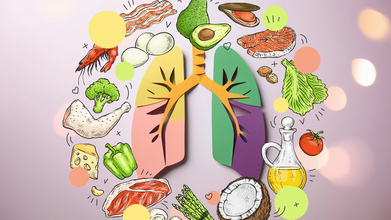
Credits: Canva
Tuberculosis continues to be one of India’s most persistent infectious diseases, but beyond medicines and diagnostics, one factor often decides how well a patient recovers or resists infection in the first place: nutrition. Experts say food and lifestyle are not just supportive elements in TB care. They are central to both recovery and prevention.
Why Nutrition Matters More Than You Think
Tuberculosis and malnutrition are closely linked. The infection weakens the body, reduces appetite, and leads to weight loss, while poor nutrition further lowers immunity, making it harder to fight the disease. Research, including findings published in PubMed Central, shows that undernutrition significantly increases the risk of developing active TB and worsens outcomes during treatment.
Dr Mihir Gangakhedkar explains that TB is both a cause and effect of protein energy malnutrition. In simple terms, poor dietary habits can increase susceptibility, and the disease itself further drains nutritional reserves. To counter this, patients often require nearly 1.5 times their usual calorie intake to regain weight and strength.
Read: Is Cough Really Necessary For TB? 80% Of Patients Don't Have It, Says Study
What Should TB Patients Eat?
Experts agree that rebuilding the body starts with prioritizing protein and calorie intake.
Dr Sumeet Singhania recommends including protein-rich foods such as eggs, lentils, dairy products, and meat to help repair tissues and regain muscle mass. Dr Gangakhedkar echoes this, adding paneer, curd, and even protein supplements if needed.
Alongside protein, micronutrients play a critical role. Colorful fruits and vegetables provide vitamins A and C, which support immune function and recovery. Whole grains like millets offer sustained energy, which is crucial for patients dealing with fatigue.
Another key takeaway from research is consistency. The RATIONS study in India demonstrated that improving dietary intake among families of TB patients reduced disease incidence by nearly 40 percent. This highlights that nutrition is not just important for patients, but also for those living with them.
Patients are also advised to avoid processed and junk foods, which offer little nutritional value and may slow recovery.
Read: World Tuberculosis Day 2026: Theme, Origin, And Significance
Can Lifestyle Changes Prevent TB?
While TB spreads through airborne droplets, not everyone exposed develops the disease. Immunity plays a decisive role here.
Dr Harsha Jain emphasizes that a strong immune system can significantly reduce the risk of developing active TB. This includes maintaining a balanced diet, engaging in regular physical activity, getting adequate sleep, and managing stress.
Certain habits can increase vulnerability. Smoking damages the lungs and weakens local immunity, while excessive alcohol intake can impair overall immune response. Avoiding these is considered essential.
Environmental factors also matter. Good ventilation reduces the concentration of infectious droplets in the air, and simple practices like covering the mouth while coughing can limit transmission. Early screening, especially for high-risk individuals, adds another layer of protection.
Food, Habits And Recovery Go Hand In Hand
TB treatment is often long and demanding, but recovery is not driven by medication alone. A nutrient-rich diet helps the body heal faster, regain weight, and tolerate treatment better. At the same time, healthy lifestyle choices strengthen immunity and reduce the chances of infection or relapse.
In a country where TB remains widespread, these everyday choices can quietly make a powerful difference.
Dr. Sumeet Singhania is a Consultant, Pulmonary Medicine at Kokilaben Dhirubhai Ambani Hospital, Mumbai
Dr Harsha Jain is a Consultant - Pulmonologist at Sahyadri Super Specialty, Deccan
Dr. Mihir Gangakhedkar is a Consultant - Pulmonology at Fortis Hospital Mulund, Mumbai
Company Sends Legal Notice To Doctor After Her Campaign Questions Fake ORS-Labelled Hydration Drinks
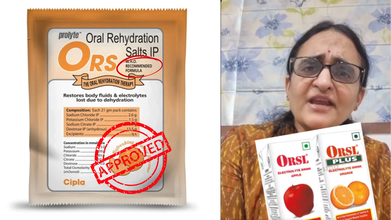
Hyderabad pediatrician Dr. Sivaranjani Santosh shared on X, previously Twitter that she has been sent a notice by JTNL Consumer Health (India) Private Limited, a Kenvue Inc. company. The notice claimed that Dr Sivaranjini has been maligning the names of ORSL and ERZL for her "own commercial benefits" and for "increasing the number of followers" on her page.
Dr Sivaranjini has been campaigning that commercial beverages labeled as ORS were often high in sugar and nutritionally different from the WHO-recommended Oral Rehydration Solution, a life-saving treatment for dehydration. In a statement following the court order, Dr. Sivaranjani said, “The long battle we have won! ORSL cannot produce new high-sugar ORSL, but it wants to clear out its existing ₹180 crore stock. India, please stand with me! People’s power has to win against corporate lobbying.”
Dr Sivaranjini claims that this is why she has been sent a notice by the company. However, the truth is that ORSL or ERZL, while specializes in hydration solution and claims it as solutions for illness and daily fluid replenishment, however, it does not match the WHO standards.
Also Read: Beat The Heat With ORS: How To Know Which One Is Real?
A Doctor's 8-year-long Fight Against Fake ORS
In 2022, Dr Sivaranjini filed a Public Interest Litigation in the Telangana High Court seeking directions for manufacturers to remove the letters “ORS” from the product name ORSL. Following the petition, companies began promoting the idea of “silent dehydration,” a term that does not appear in recognised medical literature, to market the drink.
the problem is that while there are disclaimers on the ORSL tetra packs that state: “Do not use during diarrhoea,” but these disclaimers are often printed in very small fonts, and easy to overlook. “Pharmacists also prefer selling ORSL because they earn a higher margin, as ORSL is twice as expensive as standard ORS solutions,” said Dr Sivaranjini.
Dr Sivaranjini has documented cases of children developing life-threatening dehydration despite being administered drinks marketed as ORS. These are so-called "repair solution" drinks, as she calls them, which contain excessive sugar and inadequate salt and electrolyte ratios and can undermine the purpose of a life-saving medical formulation, which is recognized by the WHO.
Dr Santosh explains: "During diarrhoea, high-sugar drinks should be avoided because excess sugar can worsen the condition.When ORSL was introduced, manufacturers met with paediatricians, leading many to believe it was ORS. But in reality, the sugar content in ORSL is as high as in packaged soft/fruit drinks, with only a little extra sodium. We noticed that many children’s diarrhoea worsened. When we investigated we realised ORSL is not the same as ORS.”
What Is ORS?
It is an adequate glucose-electrolyte solution called the Oral Rehydration Salts (ORS) solution. It was first used in 1969, and then a new solution has been recommended by the WHO and the UNICEF since 2003. This use of ORS formulation, as WHO mentions has improved effectiveness from as compared to the old solution.
- Follow Us :


© 2024 Bennett, Coleman & Company Limited