
- Health Conditions A-Z
- Health & Wellness
- Nutrition
- Fitness
- Health News
- Ayurveda
- Videos
- Medicine A-Z
- Parenting
Overlooked Foods That You Should Add To Your Kids Diet

Food That Your Children Must Eat (Credit-Freepik)
After a long day, when your kid is making yet another fuss about eating their vegetables, you as a parent can get very tired. You do not have the energy sometimes to trick them into eating their vegetables and at that point, you are willing to even feed them anything as long as they are healthy and fed. Here are some nutritional foods that your children might enjoy but that are usually overlooked.
Edamame
These little green pods are fun to pop and packed with protein and fibre. They're a great meat-free alternative and keep tummies full for longer. They make for a mean salad that even your kids will enjoy. Add a bunch of seasoning that fits your child’s palate toss the beans in them and feed it to them while they are playing and distracted by something.
Sweet Potato
You kids will love eating this fun superfood. Sweet potatoes are full of Vitamin A, important for healthy eyes and growth. They're also naturally sweet, making them a tastier alternative to regular potatoes. To make your children more susceptible to eating it you can ask them to help you roast it and play indoor camping.
Lentils
If made in the perfect way, this easy dish might be your way out of the food worries. Tiny but mighty, lentils are a budget-friendly source of protein and iron. They can be added to soups, stews, or even pasta sauce for a hidden veggie boost. Make different types of dal that your child can enjoy along with rice and other condiments like Papad.
Eggs
Not just for breakfast! Eggs are a complete protein source, meaning they have all the essential amino acids for building strong bodies. They're also packed with choline, which are important for brain development. Eggs are a mighty source is nutrients that your kids must have. And the best part is, you can make it in various forms like boiled, scrambled fried etc.
Greek Yogurt
This creamy yoghurt is a protein powerhouse with less sugar than regular yoghurt. Top it with berries, granola, or honey for a delicious and nutritious snack. Now you may have a little difficulty introducing this to your kids as the taste is something you must get used to. Slowly start with giving it to them as snacks and encourage them to eat it.
Bananas
This fruit is not just a tasty and healthy fruit, but it is rich in potassium and pectin — a prebiotic fibre known to help improve digestion. Not only this but unripe bananas can help reduce the frequency of diarrhoea. a great source of energy and essential for healthy muscles and nerves. They're portable, perfect for lunchboxes, and come in their own fun packaging!
Peanuts
This creamy spread is rich in protein and healthy fats, keeping kids satisfied. It's also a good source of Vitamin E and Magnesium. Pair it with banana slices, or whole-wheat crackers, or even spread it on apple slices for a fun and nutritious snack. This dish is a kid's favourite. PB&J (peanut butter and jelly) is a famous American breakfast that you must try!
Company Sends Legal Notice To Doctor After Her Campaign Questions Fake ORS-Labelled Hydration Drinks
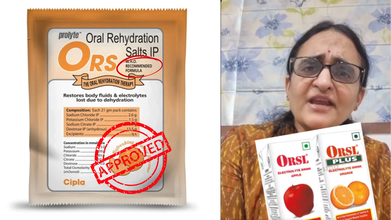
Hyderabad pediatrician Dr. Sivaranjani Santosh shared on X, previously Twitter that she has been sent a notice by JTNL Consumer Health (India) Private Limited, a Kenvue Inc. company. The notice claimed that Dr Sivaranjini has been maligning the names of ORSL and ERZL for her "own commercial benefits" and for "increasing the number of followers" on her page.
Dr Sivaranjini has been campaigning that commercial beverages labeled as ORS were often high in sugar and nutritionally different from the WHO-recommended Oral Rehydration Solution, a life-saving treatment for dehydration. In a statement following the court order, Dr. Sivaranjani said, “The long battle we have won! ORSL cannot produce new high-sugar ORSL, but it wants to clear out its existing ₹180 crore stock. India, please stand with me! People’s power has to win against corporate lobbying.”
Dr Sivaranjini claims that this is why she has been sent a notice by the company. However, the truth is that ORSL or ERZL, while specializes in hydration solution and claims it as solutions for illness and daily fluid replenishment, however, it does not match the WHO standards.
Also Read: Beat The Heat With ORS: How To Know Which One Is Real?
A Doctor's 8-year-long Fight Against Fake ORS
In 2022, Dr Sivaranjini filed a Public Interest Litigation in the Telangana High Court seeking directions for manufacturers to remove the letters “ORS” from the product name ORSL. Following the petition, companies began promoting the idea of “silent dehydration,” a term that does not appear in recognised medical literature, to market the drink.
the problem is that while there are disclaimers on the ORSL tetra packs that state: “Do not use during diarrhoea,” but these disclaimers are often printed in very small fonts, and easy to overlook. “Pharmacists also prefer selling ORSL because they earn a higher margin, as ORSL is twice as expensive as standard ORS solutions,” said Dr Sivaranjini.
Dr Sivaranjini has documented cases of children developing life-threatening dehydration despite being administered drinks marketed as ORS. These are so-called "repair solution" drinks, as she calls them, which contain excessive sugar and inadequate salt and electrolyte ratios and can undermine the purpose of a life-saving medical formulation, which is recognized by the WHO.
Dr Santosh explains: "During diarrhoea, high-sugar drinks should be avoided because excess sugar can worsen the condition.When ORSL was introduced, manufacturers met with paediatricians, leading many to believe it was ORS. But in reality, the sugar content in ORSL is as high as in packaged soft/fruit drinks, with only a little extra sodium. We noticed that many children’s diarrhoea worsened. When we investigated we realised ORSL is not the same as ORS.”
What Is ORS?
It is an adequate glucose-electrolyte solution called the Oral Rehydration Salts (ORS) solution. It was first used in 1969, and then a new solution has been recommended by the WHO and the UNICEF since 2003. This use of ORS formulation, as WHO mentions has improved effectiveness from as compared to the old solution.
Can Matcha Cause Infertility? Explains Expert
Credits: Canva
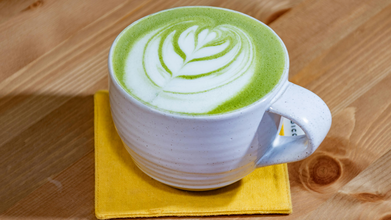
Matcha has quickly become one of the trendiest drinks among young adults in India. From cafés to home kitchens, the bright green powder now appears in lattes, smoothies, desserts and wellness drinks. Many people see it as a healthier alternative to coffee, especially because of its antioxidant properties and calming effect.
The popularity of matcha has also been fueled by celebrities and social media influencers who often promote it as a superfood. However, as the drink gains popularity, questions have also started circulating online about whether matcha could affect fertility.
Experts say the concern needs careful understanding rather than panic.
Why matcha has become so popular
Matcha is a finely powdered form of green tea made from specially grown tea leaves. Unlike regular green tea, where the leaves are steeped and then removed, matcha involves consuming the entire leaf in powdered form mixed with water or milk.
Because of this, matcha contains a higher concentration of antioxidants, caffeine and plant compounds known as catechins. These compounds are associated with several potential health benefits, which is one reason the drink has attracted so much attention.
Dr Rashmi Agarwal, Fertility Specialist at Nova IVF Fertility in Gurugram, says that while matcha can be part of a healthy lifestyle, the key issue is how much people consume.
“Matcha itself does not directly cause infertility. However, excessive consumption may have an indirect impact on reproductive health,” she explains.
The role of caffeine
One of the main reasons experts advise moderation is the caffeine content in matcha.
Although matcha is often seen as gentler than coffee, it still contains caffeine. Drinking several cups a day can increase overall caffeine intake.
Dr Agarwal notes that “high caffeine intake may affect hormone balance and fertility in some individuals.”
Caffeine can influence hormonal regulation in the body. In women, excessive intake may affect ovulation, while in men it may have an impact on sperm quality.
This does not mean that occasional matcha consumption harms fertility. Problems may arise only when it is consumed in very large amounts over a long period of time.
Sleep and stress can also play a role
Another indirect factor linked to high caffeine intake is sleep disturbance.
Dr Agarwal explains that drinking large quantities of matcha, particularly later in the day, may interfere with sleep patterns because of its caffeine content.
Poor sleep and chronic stress can disrupt hormone levels in the body. Over time, this imbalance may contribute to fertility problems.
Maintaining proper sleep cycles and managing stress are both considered important for reproductive health.
The risk of replacing proper nutrition
Experts also point out another modern lifestyle pattern linked with trendy beverages.
Dr Agarwal says some people rely heavily on drinks such as matcha lattes or wellness beverages while neglecting balanced meals.
“Sometimes people replace balanced meals with trendy drinks like matcha lattes. This may lead to nutritional deficiencies that can affect reproductive health,” she says.
A healthy diet that includes proteins, healthy fats, vitamins and minerals plays an essential role in supporting fertility.
Moderation is the key
According to fertility experts, there is no evidence that moderate matcha consumption causes infertility.
Dr Agarwal recommends limiting intake to about one cup a day. In moderate quantities, matcha is generally safe and can even provide antioxidant benefits.
For individuals planning a pregnancy or dealing with fertility issues, discussing dietary habits with a doctor can be helpful.
Along with mindful caffeine intake, maintaining a balanced diet, exercising regularly and managing stress remain the most reliable ways to support reproductive health.
Weight Loss Diet: 6 Filling Indian Breakfast Foods With Less Than 300 Calories

Indian breakfast foods usually comprise paranthas, puri and bhatura. However, we recommend some weight loss-friendly choices. (Photo credit: iStock)
New Delhi: Lustrous curries, flavourful breads, and delectable condiments—that is Indian food for the whole world. This cuisine holds a special place in the hearts of many, even the not-so-desi crowd. The cloud to this silver lining, however, is the fact that Indian food also ranks among the unhealthiest cuisines in the world. The striking flavours that it has to offer have, over time, made India the diabetes capital of the world. With rising diabetes and obesity incidence, it is time to turn to the healthier side of Indian cuisine—especially for breakfast.
Read more: 5 Scientifically Proven Sustainable Tips to Lose Weight Fast
In a country where a large chunk of people like to start their day with paranthas, puri, and pakoras, it is time to turn to healthier breakfast options with a relatively lower calorie count. Here, we enlist the top 6 Indian breakfast foods that can work wonders not only to keep your calorie intake low but also to support weight loss goals in the long run. With less than 300 calories and a whole pool of nutrients on offer, here is what you can have for breakfast on a weight loss diet.
Read more: Are You Losing Weight Or Muscle Mass? What Does Healthy Weight Loss Look Like?
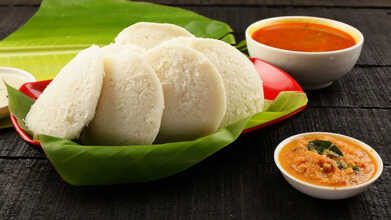
Steamed idli: Steamed idli is one of the best ways to ensure that your breakfast is healthy, filling, and also weight-loss-friendly. Idli served with coconut chutney or sambar gives 150–200 calories per serving (2–3 idlis). The fermented rice cake is gut-friendly, low in calories, and easily digestible, especially when paired with high-fibre sambar.
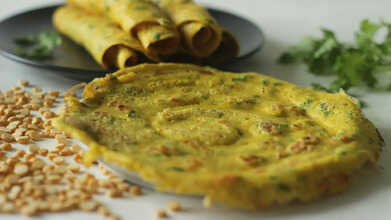
Moong dal chila: One of the best ways to keep your protein intake high for breakfast, without relying completely on eggs, is by eating moong dal chila. This lentil-based pancake is savoury and delicious, and due to its nutrient composition, it can make you feel satiated in a single serving. It is high in protein and promotes satiety. It provides around 200 calories per chila.
Uttapam: Made from semolina and lots of vegetables, sometimes even a millet base such as ragi or jowar, this delicious South Indian breakfast food will not just satiate you but also support your weight loss efforts. Per pancake, uttapam can provide 150–200 calories, depending on the ingredients used.
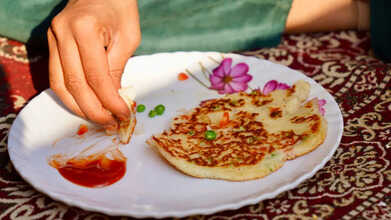
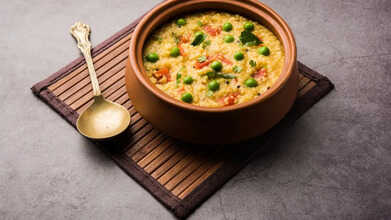
Daliya: As much as this might sound like a sad breakfast option, especially when one is counting on the unique flavours of Indian cuisine, daliya can be made tastier. Also known as broken wheat porridge, this dish is high in fibre and works wonders for better digestion. Each serving will help you keep the calorie count below 200 while also ensuring that you stay satiated.
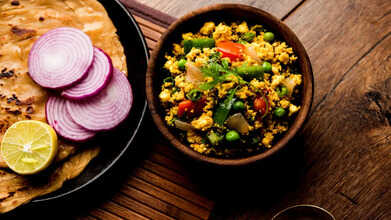
Paneer bhurji and roti: Paneer, or cottage cheese, is a fresh cheese that is high in both protein and fats. It is one of the most recommended foods when it comes to designing a weight loss diet plan. For breakfast, before kicking off a long and demanding day, it is advised to enjoy this with one roti—this way, you can keep the calorie intake low while getting ample protein to start your day.
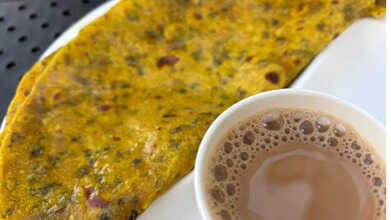
Methi thepla: A Gujarati delicacy, this thin flatbread contains fenugreek, fibre, minerals, and carbohydrates that provide energy. When it comes to Indian breakfast foods, it could be one of the best choices for keeping it light while also being filling.
- Follow Us :


© 2024 Bennett, Coleman & Company Limited