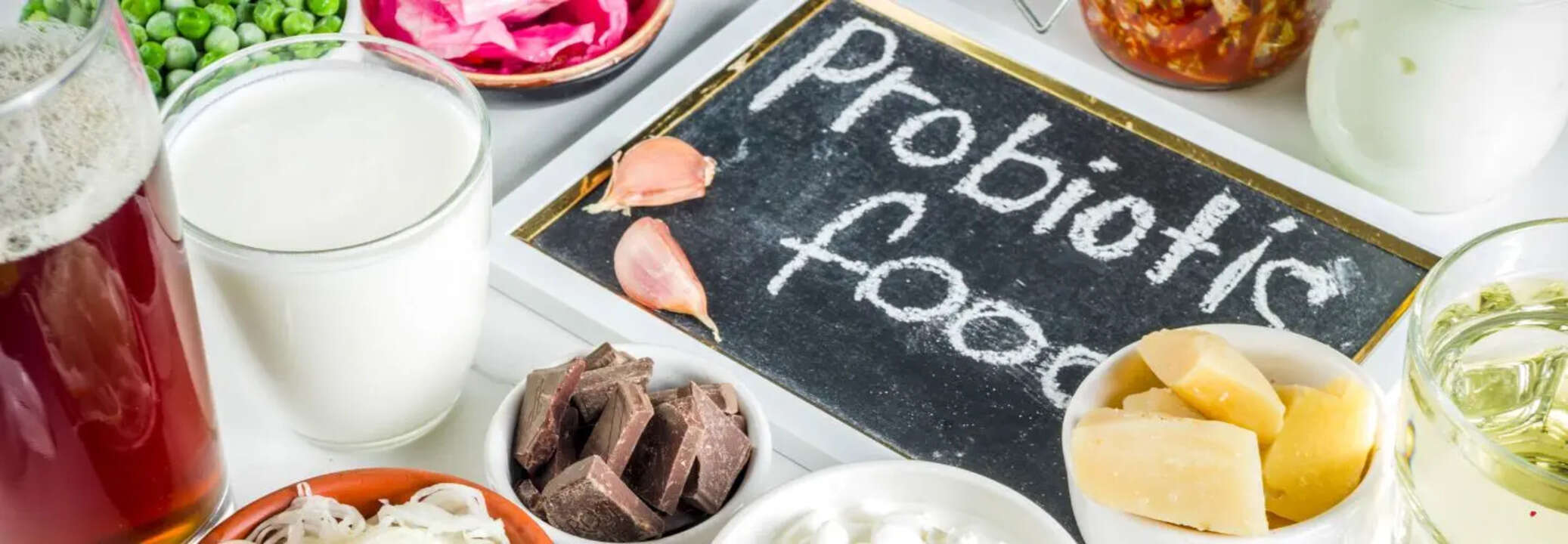
The debate over prebiotics and probiotics is in full swing, particularly amongst the health & wellness influencers. While both of them sound similar, there is a significant difference between the two, and understanding their unique roles is crucial for maintaining gut health.Both prebiotics and probiotics are important in maintaining healthy gut bacteria, collectively called gut microbiota. However, their roles are different.While probiotics are live bacteria, found in certain foods or supplements, that can provide numerous health benefits to the gut when consumed. Examples of foods that contain probiotics include yoghurt and sauerkraut. These beneficial bacteria help in digestion, absorption of nutrients, and boosting immunity. Probiotics can also aid in reducing gastrointestinal issues like bloating, diarrhoea, and constipation. Additionally, probiotics are known to improve mood and mental health, as the gut-brain connection plays a vital role in regulating emotions and stress levels.On the other hand, prebiotics are high-fiber foods that serve as "food" for probiotics, allowing them to function properly. Unlike probiotics, which are live organisms, prebiotics are non-digestible compounds found in certain foods that promote the growth and activity of beneficial bacteria in the gut. Consuming prebiotic-rich foods helps in nourishing the probiotics already present in the digestive tract, thereby fostering a balanced gut microbiome.What Are The Advantages Of Probiotics And Prebiotics?The advantages of probiotics include improving digestion, enhancing the immune system, and maintaining a balanced gut microbiota. They help in fighting infections, reducing inflammation, and alleviating symptoms of irritable bowel syndrome (IBS). Probiotics have also been linked to better skin health, with some studies indicating that they may help manage acne, eczema, and other skin conditions.Prebiotics, on the other hand, play a crucial role in gut health by feeding and sustaining beneficial bacteria. They support better digestion, improve metabolism, and help in the efficient absorption of minerals such as calcium and magnesium. Additionally, prebiotics contribute to weight management, regulate blood sugar levels, and may reduce the risk of colon cancer by supporting gut integrity.Which One Is Better?It is not a matter of one being better than the other, as both prebiotics and probiotics work together to promote gut health. Consuming both in a balanced manner can lead to optimal digestive health. While probiotics introduce beneficial bacteria into the gut, prebiotics help them thrive. Therefore, incorporating both into your diet is the best approach to maintaining a healthy gut microbiota.How Does Food Impact Your Gut Microbiota?Food plays a significant role in shaping the composition of gut microbiota. A diet rich in fiber, fermented foods, and plant-based nutrients can promote the growth of beneficial bacteria, while a diet high in processed foods, sugars, and unhealthy fats can lead to an imbalance, causing digestive issues and other health problems. Eating a well-balanced diet with a combination of prebiotics and probiotics can enhance gut health and overall well-being.List Of Prebiotic And Probiotic FoodsBefore you rush out to purchase those probiotic and prebiotic supplements, remember that there are many food items that naturally contain them.List of Food Items That Contain ProbioticsYogurt is a great option if you want to add some useful bacteria to your gut microbiome. Plain, unsweetened yogurt contains live bacteria beneficial to your health.Besides, fermented food items are another great option, as they contain beneficial bacteria that thrive on the naturally occurring sugar or fiber in the food. The list of such foods includes sauerkraut, kimchi, kombucha tea, kefir (dairy and non-dairy), some types of pickles (unpasteurized), and other pickled vegetables (unpasteurized).List of Food Items That Contain PrebioticsFor prebiotics, specific fibres are available in vegetables, fruits, and legumes. To boost your prebiotic intake, you can eat legumes, beans, peas, oats, bananas, berries, Jerusalem artichokes, asparagus, dandelion greens, garlic, leeks, and onions.By incorporating both prebiotics and probiotics into your daily diet, you can maintain a balanced and healthy gut, which in turn supports overall health and well-being.