
- Health Conditions A-Z
- Health & Wellness
- Nutrition
- Fitness
- Health News
- Ayurveda
- Videos
- Medicine A-Z
- Parenting
Struggling With IBS? This One Diet Tweak Could Ease Your Symptoms
Credits: Freepik
If you’ve ever felt like your gut had a mind of its own—one that reacts to the simplest of meals with bloating, discomfort, or cramping—you’re not alone. Irritable Bowel Syndrome (IBS) affects nearly 11% of the global population, turning everyday eating into a complicated, often stressful affair. For many, restrictive diets like the low-FODMAP plan have offered relief but also come with their own challenges—elimination fatigue, nutrient concerns, and the social burden of managing meals.
What if there were a milder, more delicious, and more earth-friendly substitute? A new pilot study indicates that the much-lauded Mediterranean diet, famous for its benefits to the heart, can also calm the symptoms of IBS—no eliminations necessary.
IBS is a recurring gastrointestinal condition characterized by abdominal cramps, bloating, gas, and altered bowel habits. For its sufferers, symptom control tends to take center stage over medication, with diet being the first line of defense.
Historically, the low-FODMAP diet has been the preferred choice for IBS sufferers. Intended to minimize fermentable carbs—Fermentable Oligosaccharides, Disaccharides, Monosaccharides, and Polyols—the restrictive diet soothes digestive discomfort by removing tough-to-digest foods. As useful as it is, numerous patients struggle to comply with the low-FODMAP diet because of its complexity, expense, and nutrient imbalance potential. That is where the Mediterranean diet comes in.
In a new pilot study in Neurogastroenterology & Motility, researchers at the University of Michigan compared the impact of the Mediterranean diet and the low-FODMAP diet in 20 patients diagnosed with IBS.
Among the findings in the study was that 73% of the patients who were on the Mediterranean diet experienced a decrease in abdominal pain in as early as one month. At the same time, 82% of individuals on the low-FODMAP diet had similar or even improved symptom response. While the low-FODMAP diet had a small edge in overall symptom improvement, the Mediterranean diet still delivered substantial benefits. More importantly, it did so without the difficulty of rigid food restriction or the possibility of nutrient deficiencies so commonly related to the low-FODMAP method.
Dr. Prashant Singh, lead researcher, highlighted the value of sustainable eating plans, adding that the Mediterranean diet avoids several pitfalls of restrictive diets. "It's not only a matter of avoiding food; it's about consuming the right kind in the right proportion," he said.
What Makes Mediterranean Diet Gut-Friendly?
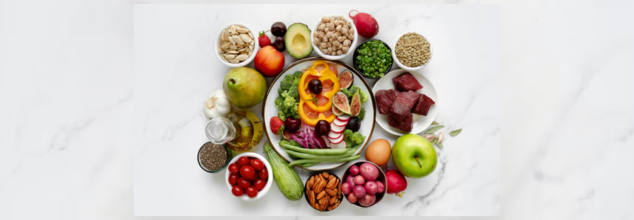
The Mediterranean diet has its origins in the traditional diets of nations surrounding the Mediterranean Sea. Fresh fruits and vegetables, whole grains, nuts, seeds, legumes, olive oil, and moderate amounts of fish, poultry, and dairy products are emphasized. Red and processed meats are kept to a minimum.
In contrast to low-FODMAP, the Mediterranean diet does not eliminate complete food groups, which maintains an intact varied gut microbiome and prevents nutritional deficiencies. It is also rich in fiber, antioxidants, and healthy fats, which enhance anti-inflammatory mechanisms, possibly contributing to its beneficial effects on digestion.
Low-FODMAP vs. Mediterranean
The Low-FODMAP diet and the Mediterranean diet approach digestive health from decidedly different angles. The Low-FODMAP diet is elimination and graded reintroduction of individual fermentable carbohydrates to determine and minimize symptom triggers and thus is very restrictive during the elimination stage. Although effective at improving IBS symptoms, the diet is likely to lead to nutrient deficiency with its restrictive nature. It is also socially restrictive and difficult to follow because it demands strict compliance as well as selectivity in the foods consumed. Conversely, the Mediterranean diet provides a healthier and more inclusive lifestyle-based plan that is versatile and balanced, with a focus on a broad diversity of nutrient-dense foods such as fruits, vegetables, whole grains, nuts, and healthy fats.
The diet promotes gut microbiome health and preserves the integrity of the gut lining, making it easier to transition to daily life and social meals without much restriction. In general, while the Low-FODMAP diet aims at symptom relief through restrictive elimination, the Mediterranean diet encourages overall digestive health with a more sustainable and healthier approach. Could Your Next Low-FODMAP Meal Help Manage IBS?
Although the low-FODMAP diet continues to be a crucial component of IBS management, this investigation points toward an encouraging direction. The Mediterranean diet provides an easier, sustained option for patients who want respite without worrying about strict food regimens.
This research contributes to increasing evidence that a Mediterranean diet could be a valuable addition to the evidence-based menu of diet therapies for IBS.
Still, more studies are required, especially larger clinical trials, to confirm the Mediterranean diet's place in IBS management. But in the meantime, it provides hope—and a happier plate—for the millions fighting unpredictable GI symptoms.
If you’re struggling with IBS and feeling overwhelmed by food lists, eliminations, and meal prep stress, it might be time to look to the Mediterranean. With its flexible structure, nutrient-rich foundation, and evidence-backed potential, this delicious diet could be the soothing solution your gut’s been craving.
Before making major dietary changes, always consult your healthcare provider or a registered dietitian—especially when managing chronic conditions like IBS.
Is Pasta Actually Unhealthy? Experts Say It’s All About Balance
Credits: Canva
Few foods feel as comforting as a warm bowl of pasta. Yet, despite its popularity across the world, pasta often gets a bad reputation when people talk about healthy eating.
For years, it has been labelled as the villain of many diets. People blame it for weight gain, bloating, and that sleepy feeling that sometimes follows a heavy meal. Because pasta is rich in carbohydrates, many assume it is automatically unhealthy or something that must be avoided while trying to lose weight.
Nutrition experts say that idea is far from the truth.
In reality, pasta can absolutely fit into a balanced diet. The key lies not just in the pasta itself but in how it is cooked, served, and paired with other foods.
Understanding What Pasta Really Offers
At its core, pasta is a source of carbohydrates. These carbohydrates break down into glucose in the body, which provides energy for everyday functions. This energy fuels the brain, supports muscle activity, and keeps the nervous system running smoothly. That is one reason athletes and physically active people often include pasta in their meals.
Wholewheat pasta brings additional benefits to the table. Because it uses the entire grain, it contains more fibre than refined white pasta. Fiber helps slow digestion, keeps you feeling full for longer, and supports healthy digestion.
There are also newer alternatives now widely available. Pasta made from chickpeas, lentils, or split peas often contains higher levels of protein and fiber than traditional wheat pasta. These options can be particularly helpful for people looking to increase plant based protein in their diet.
Even regular white pasta contains nutrients that many people overlook. During production, some varieties are fortified with important vitamins and minerals such as iron and B vitamins including thiamine and folate.
Portion Size and Balance Matter
When it comes to including pasta in a healthy diet, portion size plays an important role. A typical serving is around 75 grams of dried pasta per adult, which becomes roughly 180 to 200 grams once cooked.
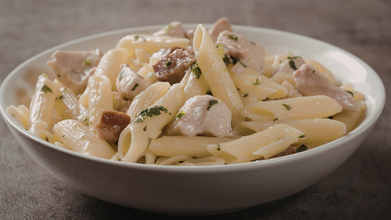
The bigger issue often lies in how pasta dishes are prepared. Creamy sauces, excessive cheese, butter, and processed meats can quickly push the calorie count much higher. In contrast, pairing pasta with vegetables, lean protein, and healthy fats creates a far more balanced meal.
Simple additions like tomatoes, spinach, mushrooms, beans, lentils, seafood, or grilled chicken can transform pasta into a nutrient rich dish. A drizzle of olive oil and a generous portion of vegetables can make the meal satisfying without making it overly heavy.
Why Some People Feel Bloated After Pasta
Bloating after eating pasta is fairly common, but the cause can vary.
For some people, gluten may be the trigger. Individuals with coeliac disease cannot tolerate gluten, a protein found in wheat, and eating wheat based pasta can cause serious digestive issues.
In other cases, the problem may be certain carbohydrates found in wheat known as FODMAPs. These compounds can be difficult for some people to digest. When they reach the large intestine, bacteria ferment them, producing gas that may lead to bloating, cramps, or discomfort.
The way pasta is cooked can also make a difference. Pasta cooked al dente, meaning slightly firm to the bite, is digested more slowly than overcooked pasta. Cooling pasta after cooking, such as in pasta salads, can also increase resistant starch. This type of starch digests more slowly and may support gut health.
In the end, pasta itself is not the problem many people believe it to be. When eaten in sensible portions and paired with nourishing ingredients, it can be a satisfying and perfectly healthy part of everyday meals.
Fact Check: Is Water Stacking A Healthy Way To Stay Hydrated?

Credits: Instagram
Water Stacking trend that went viral on TikTok, with the hashtag trending #WaterTok is a creative way to ensure that you drink enough water a day. Health and Me previously reported on the trend going viral and how it was the food scientist and content creator Jeffrey Ma who tarted this.
However, is it really a healthy way to hydrate yourself? Health and Me did a fact check and spoke to doctors to know the truth behind it.
Read: What Is the Viral Water Stacking Trend?
What Do Doctors Say About Water Stacking?
As per Dr Prabhat Ranjan Sinha, senior consultant - Internal Medicine at Akash Health care, "The concept might seem helpful, the procedure might lead to issues once the supplements are taken without the appropriate understanding about the needs of the body."
The increasing popularity of the so-called stacked water is a trend, explains Dr Sinha, where people use supplements in their drinking water. The supplements include collagen, creatine, electrolytes, vitamins or herbal powder. Dr Sinha explains that "The human body needs nutrients in a certain proportion and any additional intake can have undesirable results."
Edwina Raj, who is the Head of Services - Clinical Nutrition and Dietetics at Aster CMI Hospital, Bengaluru pointed out that while some of these supplements may offer benefits when used correctly, "adding multiple nutrients without understanding what the body actually needs can sometimes cause harm."
Ms Raj points says, "Every person’s body has different nutritional requirements, and excessive intake of certain supplements may lead to side effects such as stomach discomfort, kidney strain, or imbalance of nutrients in the body. For example, taking high amounts of creatine without proper guidance may affect kidney health in some individuals, especially if they already have underlying health issues."
Both experts highlight that taking unnecessary supplements may not provide any extra benefits if the person is already getting it through their diet. Dr Sinha also points out that when someone consumes an excessive amount of nutrients, it could overstrain organs like the kidney or liver.
"Several interactions can also be formed when several supplements are used together which can cause imbalances in electrolytes and metabolism or the interactions can interfere with the absorption," he says.
How Can One Stay Hydrated?
Both experts say that one can stay hydrated by drinking enough water and eating a balanced diet. Dr Sinha notes: "Supplementation is preferably to be taken when the deficiency is known to be medically or there is a certain health need. Following the trends of social media without necessarily knowing the state of the personal health can result in excessive consumption of specific substances or unneeded dependence on supplements."
Stay Hydrated In A Creative Way
Dr Sinha says that maintaining a healthy drinking habit is not an additive based habit that involves the use of additives, but a simple and consistent lifestyle choice.
Ms Raj points out a simple way is by starting the day by drinking a glass of water as soon as you wake up. This helps body rehydrate after sleep. "Keeping a water bottle nearby at your desk, in your bag, or in your car can remind you to drink water regularly throughout the day." She also says that setting small goals help, for instance - drinking a glass of water every hour, or setting reminders on phones.
What to do if water feels boring? "Those who do not like plain water may use the natural alternatives of adding lemons, mint leaves, or cucumber to improve the taste without putting any extra supplement," points out Dr Sinha, and seconded by Ms Raj.
Note: Please consult your nutritionist and doctor before adding any extra supplements or nutrients to your daily water intake. Health and Me Does NOT promote a user-generated content as a substitute for medically verified hydration techniques.
Kate Middleton Says She Has Curbed Her Alcohol Intake After Cancer Diagnosis

Credits: Instagram
Kate Middleton visited a brewery, London beer hall. The princess of Wales shared her new approach to alcohol and said, "Since my diagnosis, I haven't had much alcohol. It's something I have to be a lot more conscious of now."
In March 2024, Kate Middleton shared her cancer diagnosis. "It has been an incredibly tough couple of months for our entire family, but I’ve had a fantastic medical team who have taken great care of me, for which I’m so grateful,” her message began. “In January [2024], I underwent major abdominal surgery in London, and at the time, it was thought that my condition was noncancerous. The surgery was successful. However, tests after the operation found cancer had been present. My medical team therefore advised that I should undergo a course of preventive chemotherapy, and I am now in the early stages of that treatment.”
She said that her diagnosis was a "huge shock" for her family and that recovery form such a major surgery took a lot of time.
In January 2025, she announced that she was in remission. “It is a relief to now be in remission, and I remain focused on recovery,” she wrote on her Instagram account. “As anyone who has experienced a cancer diagnosis will know, it takes time to adjust to a new normal. I am, however, looking forward to a fulfilling year ahead. There is much to look forward to. Thank you to everyone for your continued support.”
Alcohol And Cancer
In 1987, the International Agency for Research on Cancer (IARC) classified alcohol as a Group 1 carcinogen, meaning there is sufficient evidence that it causes cancer in humans. Research has linked alcohol consumption to cancers of the oral cavity, pharynx, larynx, esophagus (particularly squamous cell carcinoma), and liver.
Although the level of risk varies between light, moderate, and heavy drinkers, the association between alcohol and cancer has been well documented for decades. In light of this evidence, Middleton appears to have reconsidered her relationship with alcohol following her diagnosis, remission, and recovery.
Scientific evidence continues to reinforce these concerns. According to the National Cancer Institute, alcohol consumption can increase the risk of several cancers, and the risk rises with greater intake. Even light drinking may carry some risk. For instance, studies show that women who consume one alcoholic drink a day have a higher risk of breast cancer compared with those who drink less than once a week, with the risk increasing further among heavy and binge drinkers.
Data from the United States also highlights the scale of the impact. Alcohol was estimated to be responsible for about 5% of the 1.8 million cancer cases diagnosed in 2019, as well as around 4% of cancer-related deaths that year. Research consistently shows that people who consume alcohol face higher risks of several cancers compared with those who do not drink.
The following table shows the risk of cancer and consumption of alcohol as per the National Cancer Institute data:
| Cancer Type | Risk increases associated with alcohol drinking |
| Oral cavity (mouth) and throat |
|
| Voice box |
|
| Esophageal (squamous cell carcinoma) |
|
| Liver | 2 times as likely in heavy drinkers |
| Breast |
|
| Colorectal | 1.2 to 1.5 times as likely in moderate to heavy drinkers |
- Follow Us :


© 2024 Bennett, Coleman & Company Limited