
- Health Conditions A-Z
- Health & Wellness
- Nutrition
- Fitness
- Health News
- Ayurveda
- Videos
- Medicine A-Z
- Parenting
- Web Stories
The Dangers Of Taking Too Many Supplements For Your Liver
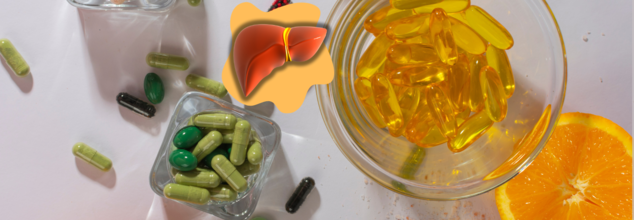
Thinking about taking supplements to boost your well-being quest? You're not the only one. As worldwide sales of supplements are expected to exceed $230 billion by 2027, they've become the face of preventive health. But experts are now sounding the alarm about a less obvious risk—the silent effect they have on your liver.
From daily vitamin pills to herbal powders that claim to deliver everything from healthy skin to improved concentration, supplements are frequently perceived as benign. But the reality is, when taken excessively or without instruction, they may be doing more damage than good—particularly to one of your body's most critical organs: your liver.
Your liver is your body's biochemical sorting center. It sifts through everything from food to poisons to medicines—and, yes, supplements.
As per Dr. Karan Rajan, a well-known UK surgeon and educator with more than 1.7 million followers on Instagram, even natural supplements undergo liver metabolism. "That means your liver breaks them down with enzymes, which impacts how hard it has to work," he says. When your liver is overwhelmed, your liver cannot detoxify the body effectively, and there is a higher risk of inflammation, scarring, or worse—acute liver injury.
In a recent case cited by Dr. Rajan, a female patient developed organ failure following consumption of supplements aimed at hair and nail growth. "Just don't turn your liver into a science fair project gone wrong," he cautioned in a now-famous video.
What Constitutes a Supplement?
According to the U.S. Food and Drug Administration (FDA), dietary supplements comprise:
Vitamins: A, C, D, B-complex
Minerals: Magnesium, calcium
Herbal compounds: Elderberry, ginger
Botanical powders: Green powders, turmeric blends
Probiotics: Live bacteria or yeasts that aid digestive system health
Supplements have been a daily fill for many people. Be it vitamin C as an immunity boost during the flu season or B12 for that energy drive, individuals look toward pills in anticipation of a good meal. Without proper checks and balances, the practice tends to go downhill fast into becoming a health risk.
The risk isn't necessarily in the supplement itself—but in the amount you take and how it affects other substances in your body.
"More isn't always better," warns Dr. Rajan. "Excessive doses of even simple vitamins like vitamin A can cause liver damage or brain pressure."
Other risks that are known include:
Vitamin D overdose: Can increase blood levels of calcium, leading to kidney issues and changed mental status.
Unregulated herbal mixes: May create unknown chemical interactions, especially if you’re taking multiple at once.
Drug interactions: Supplements like St. John’s Wort can interfere with antidepressants or blood thinners.
With so many supplements flooding the market, choosing a safe one can feel like a gamble. Flashy packaging and bold health claims are not enough.
Dr. Rajan suggests checking for third-party certifications. Labels such as (e.g., USP, NSF, or ConsumerLab) mean that the product has been independently tested to be of good quality, purity, and accuracy of ingredient descriptions. Although no certification can absolutely ensure 100% safety, it significantly lessens your risk of taking something potentially toxic to the liver.
How to Take Supplements the Right Way?
So does it mean you must abandon supplements altogether? No. Properly planned, supplements can be useful. Here's how to do it safely and responsibly:
1. Talk to a Healthcare Professional First
Don't start adding anything to your routine without first talking to a physician or registered dietitian. They can check whether you actually need it, particularly if taking prescription meds such as statins, antidepressants, or anti-epileptics.
2. Get Your Blood Work Done
Beginning a new supplement? Have your doctor perform liver function tests (LFTs). This establishes a baseline and allows you to track how your liver reacts over time.
3. Consult Expert
This FDA and NIH-supported database contains in-depth case reports on how drugs and supplements impact the liver. Supplements graded Grade A, B, or C need to be treated with additional caution.
4. Don't Mix Multiple Supplements
Taking more than one herbal supplement or taking high doses of several vitamins at once can have synergistic toxicity. Unless prescribed by a professional, keep it simple and concentrated.
Supplements aren't bad in themselves—but taking them without knowing how they'll affect your liver might be very bad indeed, sometimes causing irreversible damage. As consumer interest increases, so should awareness and prudence.
Matcha Could Be Messing With Your Iron Levels, According To Doctor

Credits: Canva and Instagram
"Yep, that's me. You're probably wondering how I ended up in this situation," is how the video opens up with a girl sitting in the ER getting IV drips. The reason? Her obsession Matcha.
"If you drink a lot of matcha, you probably need to know this," says the US-based surgeon and education Dr Karan Rajan while reacting on the video.
Matcha may be the Instagram-famous, antioxidant-packed drink of the decade, but sipping too much of it could come at a hidden cost—your body’s iron levels. In a recent video, Dr Rajan explained how heavy matcha consumption can interfere with iron absorption, potentially leading to iron deficiency anemia over time.
“Polyphenols like EGCG in moderate amounts have antioxidant and anti-inflammatory effects,” Dr. Rajan said. “But at very high cumulative doses, like several cups of matcha a day, these compounds can bind to non-haem iron in the gut and reduce iron absorption.”
According to him, clinical studies show that polyphenol-rich drinks like teas can reduce iron absorption by as much as 60–70% when consumed alongside iron-rich meals. While animal-based “heme iron” is less affected, plant-based “non-heme iron” is far more vulnerable. This means that women of reproductive age, vegans, or those with borderline iron levels could be particularly at risk.
His advice? Keep matcha away from meals. “If drinking matcha is your personality, make sure you drink it between meals, not with them,” he warned.
A Real Case: Green Tea and Iron Deficiency Anemia
Dr. Rajan’s caution is not without evidence. A striking case study published in Clinical Case Reports in 2016 detailed how long-term green tea consumption caused severe iron deficiency anemia in a 48-year-old businessman.
The patient, who had a two-decade habit of drinking over 1.5 liters of green tea every weekday, developed persistent fatigue and anemia. Initial blood tests revealed extremely low iron markers: ferritin at just 1.6 ng/mL (far below normal) and hemoglobin at 6.2 g/dL. Despite oral iron supplements, his hemoglobin levels only improved after he stopped tea consumption.
But when he resumed his green tea habit, the anemia returned—even though he continued taking iron supplements. Doctors confirmed a “rechallenge effect,” showing that green tea directly blocked iron absorption. His condition improved again when he switched to intravenous iron therapy and reduced his tea intake.
The report concluded:
“Our patient’s case further confirms the relationship between tea and reduced iron absorption, not only by the improvement of iron deficiency anemia following abstinence from tea, but also by the recurrence of anemia upon a rechallenge of tea during continuous oral iron supplementation.”
This case underlines how powerful tea’s impact on iron can be—not just in theory, but in real life.
The Science Behind Matcha and Iron
So why does matcha, or green tea in general, interfere with iron absorption? The answer lies in its polyphenols, tannins, and oxalates—natural plant compounds that easily bind to iron molecules.
Matcha.com explains: “Research suggests that oxalates and tannins are some of the naturally occurring green tea compounds studied to impact iron absorption. Specifically, these compounds bind with non-heme iron in plant foods such as beans, peas, leafy green vegetables, and nuts.”
When this happens, the body absorbs less iron, and even the beneficial effects of matcha’s antioxidants may be reduced. For instance, epigallocatechin gallate (EGCG)—a major catechin in matcha—normally inhibits inflammation. But studies suggest that when EGCG binds with iron, it loses much of this protective power.
In other words, not only does matcha block iron from being absorbed, but iron also blocks some of matcha’s health benefits.
The One-Hour Rule: A Practical Solution
This doesn’t mean you need to ditch your daily matcha latte. Instead, experts suggest timing is everything.
“By simply spacing out the consumption of matcha from your iron-rich meals, you will be able to reap the healthful benefits of both,” notes Matcha.com. The general guideline is to wait at least one hour after eating an iron-rich meal or taking an iron supplement before drinking green tea or matcha.
Dr. Rajan echoed a similar sentiment in his video: keep your matcha habit separate from meals to reduce the risk of interfering with nutrient absorption.
Who Should Be More Cautious?
While the average person drinking one or two cups a day is unlikely to face serious issues, some groups may need to be extra mindful:
- Women of reproductive age – due to monthly blood loss, iron deficiency risk is already higher.
- Vegans and vegetarians – since their iron primarily comes from non-heme sources, which are more affected by tea polyphenols.
- Individuals with borderline or existing anemia – especially if fatigue and weakness are already present.
- Heavy matcha or tea drinkers – those consuming several cups daily could unknowingly drift into deficiency.
The 2016 case report also highlighted that cultural and lifestyle habits—like drinking tea throughout the workday—can exacerbate the problem.
Matcha: A Double-Edged Sword
It’s important to stress that matcha isn’t “bad.” In fact, research highlights its many benefits, from reducing inflammation to lowering risk of diabetes and stroke. The 2015 Dutch Dietary Guidelines even recommended drinking three cups of tea daily for long-term health.
But like most things, balance matters. As the case report authors concluded, excessive tea consumption should not be overlooked as a potential cause of iron deficiency.
Dr. Rajan summed it up best with a dose of humor:
“If you’re drinking so much matcha it’s likely becoming a part of your blood volume and you’re constantly feeling wiped out, ask your doctor about ferritin and iron studies.”
Morning Coffee Benefits: Is That First Cup Helping You Or Secretly Harming Your Health? Find Out

Credits: Canva
Picture this: it’s a new morning, your alarm is blaring, and the world outside your blanket feels like a cold, unwelcoming place. You need to get ready for work, but there’s only one thing that can get you out of bed, coffee.
What may surprise you is that your daily cup of joe doesn’t just wake you up. When enjoyed in the morning, even on an empty stomach, it can offer a range of health benefits. So before you reach for breakfast, let’s look at why that first sip of coffee might be exactly what your body needs.
Morning Coffee: Is It Good or Bad for Your Health?
If you enjoy your coffee first thing in the morning, there may be more benefits to that habit than just feeling awake. Research published in the European Heart Journal found that people who drank coffee mainly in the morning had a lower overall risk of death and a reduced risk of dying from cardiovascular disease compared with those who drank coffee throughout the day.
The study, led by Dr. Lu Qi of Tulane University in New Orleans, also noted that coffee doesn’t appear to raise the risk of cardiovascular disease. In fact, previous research has linked it to a lower risk of certain chronic illnesses, including type 2 diabetes.
The January 2025 paper highlighted a striking finding, those who drank coffee before noon had a 16% lower risk of death from any cause and a 31% lower risk of death from heart disease compared with people who didn’t drink coffee at all.
ALSO READ: Your Morning Coffee Could Help Lower Your Risk Of Heart Diseases
But why does timing matter? In the morning, the body naturally experiences a surge in sympathetic activity, the system that helps us wake up and feel alert. This effect tapers off during the day and is at its lowest during sleep. Drinking coffee late in the day can interfere with this rhythm, often leading to sleep problems. Coffee is also known to suppress melatonin, the hormone that signals the brain when it’s time to rest, which may explain why afternoon or evening cups can be bad for your health.
How Much Coffee Is Safe for Women to Drink Each Day?
Even something as enjoyable as coffee can be too much of a good thing. Drinking too much caffeinated coffee can make you feel jittery and may cause:
- Increased heart rate
- Raised blood pressure
- Anxiety
- Trouble falling asleep
Pregnant or breastfeeding? The rules change. It’s best to check with your doctor before adding caffeine to your diet. And if coffee tends to make you jittery, remember that caffeine tolerance differs from person to person. Even one cup a day or decaf can offer some of the potential health perks.
ALSO READ: ICMR Flags Misuse Of Critical Drugs, Suggests New Antibiotics Be Sold Only In Hospitals
While coffee is a delightful part of your routine, other factors like a balanced diet, regular exercise, and maintaining a healthy weight have a bigger impact on overall health. Enjoying your cup of coffee can complement these habits, making it a simple addition to a healthy lifestyle.
Mediterranean Diet Can Help You Get Healthier Gums
Credits: Canva
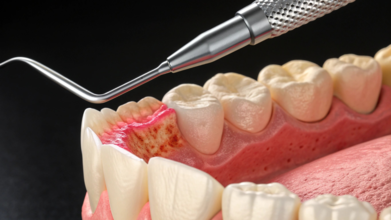
A new study published in the Journal of Periodontology highlights that people in the UK who follow a Mediterranean-style diet may enjoy better gum health and lower levels of gum disease. Conducted by researchers at King’s College London, the findings show a link between diet, inflammation, and periodontal disease severity.
What the Study Found
The research evaluated 200 hospital patients who were part of the King’s College London Oral, Dental and Craniofacial Biobank. Participants underwent dental examinations, provided blood samples, and completed detailed dietary questionnaires.
The analysis revealed that individuals whose diets resembled the Mediterranean pattern, rich in legumes, vegetables, fruits, and olive oil, had lower levels of gum disease and systemic inflammation. On the other hand, patients who consumed diets high in red meat and deviated from the Mediterranean model were more likely to present with severe gum disease.
Researchers also measured circulating inflammatory markers. People with less healthy diets showed higher levels of Interleukin-6 (IL-6) and C-reactive protein (CRP), both indicators of systemic inflammation. In contrast, those following a plant-rich diet had lower levels of these markers.
Why the Mediterranean Diet Matters
The Mediterranean diet is widely recognized for its emphasis on whole, nutrient-dense foods such as fruits, vegetables, legumes, whole grains, nuts, and healthy fats like olive oil. It has already been associated with a reduced risk of major chronic illnesses, including heart disease, certain cancers, and neurodegenerative disorders.
According to the researchers, diet plays a significant role in human health by influencing the immune system and inflammation. This effect largely depends on the types of molecules present in food, including macronutrients, micronutrients, and phytochemicals. Plant-based diets are often rich in these components, which may contribute to reduced inflammation throughout the body.
Implications for Gum Disease
The study’s findings add weight to the idea that gum disease should not only be treated with dental procedures but also considered in the broader context of lifestyle and diet.
Dr. Giuseppe Mainas, first author of the study and postdoctoral researcher at King’s College London, noted:
“Our findings suggest that a balanced, Mediterranean-type diet could potentially reduce gum disease and systemic inflammation. We observed that there may be a connection between periodontal disease severity, diet, and inflammation. These aspects should be holistically considered when assessing treatment for periodontitis in patients.”
A Step Toward Better Oral Health
Professor Luigi Nibali, lead author and Professor of Periodontology at King’s College London, emphasized the growing importance of nutrition in dental health.
“There is emerging evidence about the role that a balanced diet might have in maintaining a periodontal healthy status. Our research shows the potential effect that a nutrient-dense, plant-rich diet could play in improving the nation’s gum health. Nevertheless, more investigation is needed to develop personalized approaches to help people manage their gum health,” he said.
The research is an important step in understanding how dietary choices affect oral and systemic health. While more studies are needed to confirm the long-term effects and create practical dietary guidelines for gum health, the message is clear: what we eat may directly influence not just our heart and brain, but also the health of our gums.
- Follow Us :


© 2024 Bennett, Coleman & Company Limited