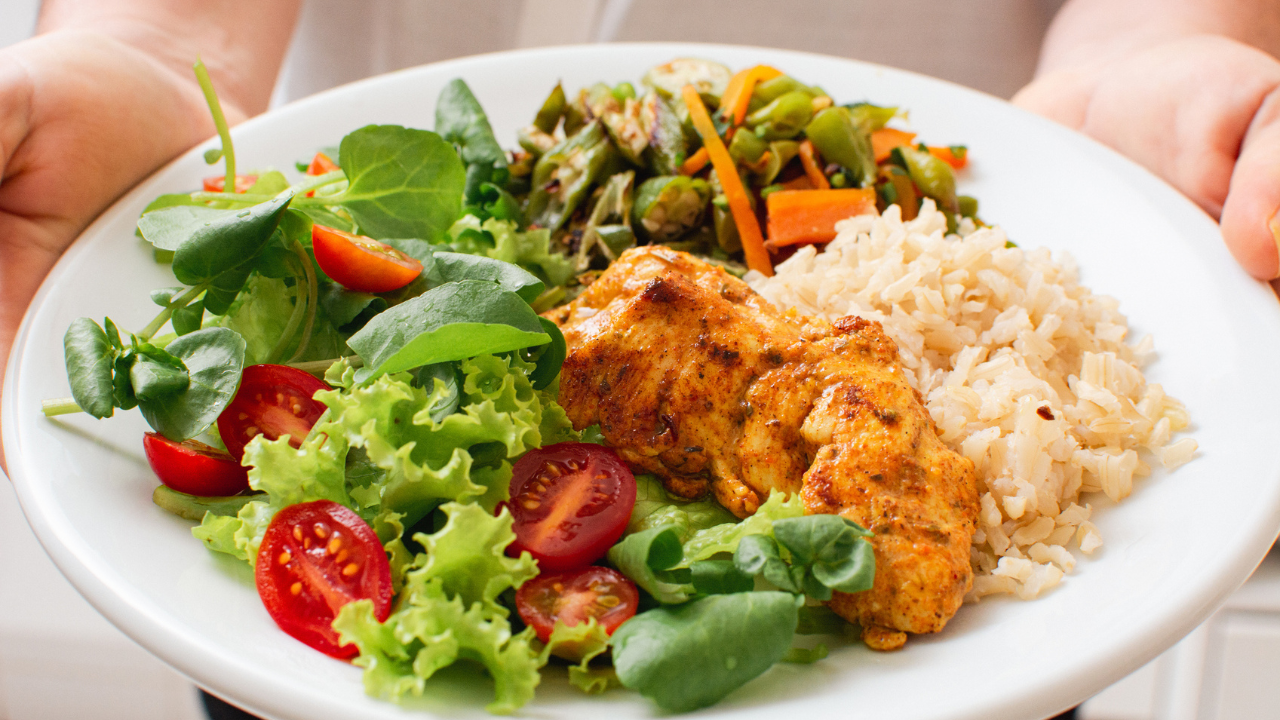
We often think about longevity as a number: 80, 90, perhaps even 100. But the more meaningful question is not simply how long we live but how well we live while we are here. Nutrition has an important role in answering these questions. And the good news is that a longevity diet does not have to be exotic, expensive, or built around a shelf of supplements. Much of what supports healthy ageing is already familiar to kitchens across India and around the world.The secret is less about a single “superfood” and more about the pattern on our plate.Think beyond caloriesFor many years, nutrition conversations centred on calories, weight and individual nutrients. These remain relevant, but longevity requires a broader view.A healthy diet should provide adequate protein, fibre, vitamins, minerals and healthy fats while keeping excess salt, free sugars and unhealthy fats in check. The World Health Organization describes adequacy, balance, moderation and diversity as the basic principles of a healthy diet.In practical terms, this means making minimally processed foods the foundation of everyday eating.Build a colourful, proportionate plateA useful starting point is surprisingly simple: make plants the stars of every meal.Vegetables, leafy greens, fruits, pulses, whole grains, nuts and seeds provide a combination of fibre and micronutrients that is difficult to replicate through processed foods or supplements alone. But the key, though, is the proportion: the ¼-¼-½ rule. Imagine your plate as a pie chart: a quarter goes to carbohydrates, a quarter to protein, and an entire half has to go to vegetables.An Indian plate is generally fresh and unprocessed (which is the good part), but also heavily unbalanced (which is the bad part). Our plates usually cede place to excess carbohydrates in lieu of protein or vegetables. Imagine a pile of buttered rotis with watery dal or a mountain of rice with rasam, which are the usual staples at many Indian homes, and you will understand this proportionality problem. Cuisine can change across states. The nutritional principle does not. The WHO recommends at least 400 grams of fruits and vegetables a day, while also encouraging whole grains, pulses and nuts. Half the plate should be strictly reserved for salads/veg rich sabzi / poriyals and such, while carbs are strictly confined to a quarter. No more than a cup of rice, no more than two rotis!Do not forget proteinThe final quarter in the plate belongs to protein. One of the less appreciated aspects of healthy ageing is the preservation of muscle, and muscle needs protein. India is a chronically protein-deficient nation. Multiple national surveys have shown the protein intake of the population to be inadequate across the length and breadth of the nation. As we grow older, maintaining adequate protein intake becomes increasingly important, particularly when combined with regular resistance or strength-building exercise. Protein does not always have to mean eating large quantities of meat.For vegetarians, dal, rajma, chana, soy, peas, milk, curd, paneer, nuts, and seeds can all contribute. For those who eat non-vegetarian foods, eggs, fish, poultry and lean meats can be included according to personal preferences and cultural practices.Portion your carbs, but also choose the grainCarbohydrates are not the enemy if we eat them in the right quantity, particularly if they are less processed.Replacing a diet dominated by refined grains and highly processed foods with more whole grains, millets, vegetables, fruits and pulses can increase fibre and improve the overall nutritional quality of the diet. They also reduce sugar spikes in diabetics and people with prediabetes, who constitute 50% of the entire population in some Indian states!Rice, bread, or potatoes need not disappear from the table. We just need to put them in context alongside vegetables, protein and healthy fats rather than allowing refined carbohydrates to dominate every meal.Interestingly, traditional Indian cuisine already has the ingredients. We just need to make the effort to find the balance. A bowl of rice with paneer, veg salad and thick dahi, for example, is very different nutritionally from a meal built around refined carbohydrates alone.Fats: quality mattersHealthy ageing does not require a completely fat-free diet. Fat is an essential nutrient. What matters is the type and amount. Unchecked oil consumption along with refined sugar intake is fuelling the obesity epidemic in India today. No more than three spoons of oil in a day, and we should stick to less inflammatory filtered groundnut and mustard oils while we are at it!The rest of the healthy fats can come from sources such as nuts, seeds, dahi, milk and lean meat such as fish and chicken. Foods high in saturated and trans fats, along with frequent deep-fried and highly processed foods, should be avoided. Read: biscuits, cookies, burgers, fried food, refined seed oils and vanaspati.Even familiar foods such as ghee need not become either a hero or a villain. It is better to think about overall dietary pattern and portion size than to label individual foods as universally “good” or “bad”.The quiet problem: salt, sugar and ultra-processed foodThe foods that quietly accumulate in our diets can matter as much as what we consciously add.Sugary beverages, packaged snacks, bakery products, processed meats and highly salted foods can contribute substantial amounts of sugar, sodium, unhealthy fats and calories without providing comparable nutritional value.The WHO recommends limiting free sugars to less than 10% of daily energy intake, with further reduction offering additional health benefits, and keeping salt intake below 5 grams a day for adults.This does not mean giving up birthday cake, festival sweets or an occasional restaurant meal. Longevity is less about eating perfectly every single time and more about making a healthier choice most of the time.Perhaps the most important ingredient is consistencyThere is no single longevity food. No turmeric latte, berry, seed, oil, supplement or superfood can compensate for a dietary pattern that is consistently poor. Likewise, one celebratory meal does not undo years of healthy eating.The most sustainable approach is one that fits into real life: seasonal vegetables, locally available fruits, pulses, whole grains, nuts and seeds; appropriate protein; sensible portions; plenty of water; and fewer foods that are heavily processed, excessively salty or sugary.For an Indian audience, this is encouraging because our culinary traditions already offer enormous diversity from millets and dals to greens, fermented foods, curd, spices, nuts and seasonal produce. For an international audience, the same philosophy can be adapted to their own local foods and cultures.The longevity plate, therefore, is not a prescription for one perfect meal. It is a way of eating.Eat a little closer to nature. Add more variety. Protect muscle. Choose quality over processing. Keep portions sensible. And make these choices consistently. Because the goal of nutrition is not simply to add years to life. It is to help us add strength, independence and vitality to those years.References1. World Health Organization. *Healthy diet*. WHO, updated January 2026.2. World Health Organization. *Healthy diet: Fact sheet and dietary recommendations*.3. Indian Council of Medical Research – National Institute of Nutrition. *Dietary Guidelines for Indians, 2024.4. World Health Organization. A healthy diet: Key facts and practical guidance.(Dr. Navin Gnanasekaran, Longevity Physician, Head, Radiology, Apollo Hospitals)