
- Health Conditions A-Z
- Health & Wellness
- Nutrition
- Fitness
- Health News
- Ayurveda
- Videos
- Medicine A-Z
- Parenting
Your Cravings Could Be Linked To Nutrient Deficiencies, Explains Metabolic Surgeon

Credits: Canva
Have you ever had a weird craving that you were not able to justify? These are not just night-time craving that happens because you spend the time studying. These cravings happen at anytime, however, even after you ate the snack, you did not feel better. If so, then there could be an underlying reason for it, including a reason which could adversely impact your health. Dr Arush Sabharwal, Bariatric and Metabolic Surgeon at SCOD Clinic explains that these cravings often relate more to the body's energy and nutrient consumption that the food item by itself.
"The irregularity in meals, a poor diet, lack of water, and inadequate amount of proteins and fibers in food can disrupt the metabolic balance in our body and increase hunger peaks. If the nutrition in our diet is not good in terms of variety and consistency, our body might send out hunger signals even if there is an adequate calorie content," says Dr Sabharwal.
Furthermore, Dr Mustkim Khan, Khan Laparoscopic Surgeon and Proctologist at SCOD Clinic says, "Digestive health is a major factor that plays a role in nutrient assimilation and the interpretation of hunger cues. Deficient digestive activity, even with regular food intake, can result in nutrient assimilation difficulties, and the body responds by creating cravings for food."
What Does Your Craving Say About Your Health?
Chocolate
A sudden craving for sweet or creamy chocolate could be related to magnesium. As per Nebraska Medicine, chocolate bar, especially dark chocolates contain magnesium, iron and fiber. If you are anemic, or have low iron, you could be craving a chocolate, because your body is actually telling you to consume iron. While chocolate has a small amount of iron, it is easily accessible. Furthermore, craving chocolate could also indicate a magnesium deficiency, which is related to energy production and mood regulation.
Salt
When you are craving something salty, it is not only because you want something savoury, but could be because you are dehydrated.
There are several studies that show people who are on medications waste salts, known as diuretics. This is why people may crave salt. However, only some diuretic medications cause this, the main reason could be dehydration. When you sweat a lot, your body loses both water and sodium, this also leads to you craving something salty. The best thing to do would be to drink water or electrolyte solutions, approved with the World Health Organization (WHO), and your doctor.
Clay, Ice, Chalk, Paper
All of them sound weird, however a condition called pica, could actually make you crave all this. This happens when your body craves non-food items. Mayo Clinic suggests that craving ice, called pagophagia, is often related to low iron, this could be with or without anemia. Several studies, including a 2010 study by Y Khan, also revealed that pica is an unusual condition where patients develop cravings for non-nutritive substance, usually linked with iron deficiency.
Craving Carbs
Craving food high in carbohydrates like pasta, or bread could be because you do not sleep well. These food items are a quick source of energy, and when you do not get enough sleep, your body craves for energy, usually the fastest source.
Red Meat
This indicates that you may be lacking iron and zinc. Studies have shown that red meat, while recommended to not be consumed often, could make a healthy diet. Some studies have shown benefits with a small amount of red meat.
Other Factors Why Your Body Craves
While one reason your body craves certain food item is related to lack of nutrition, there could be other factors too, including:
- Hormonal changes, whether from stress, sleep deprivation, or pregnancy
- Low blood sugar could also be a reason why your body may crave for a quick energy source
- Dehydration: not drinking enough fluids could also intensify feelings of hunger and lead to cravings
- Boredom: When you do not have anything to do, this could further trigger a craving for unhealthy snacks just to have something to do
What Happens When You Give In to Your Cravings Of Processed Foods?
As per Dr Khan, sedentary lifestyle combined with irregular eating habit could lead to disturbances in gut function and bowel regularity. "This could interfere with the proper and efficient processing of food consumed. It could impact the appetite as well. Indigestion could lead to a feeling of heaviness, bloating, etc., after eating food," he explains.
California Mushroom Poisoning: 4 Dead, 3 Receive Liver Transplant

Credits: Canva
California mushrooms poisoning has led to four deaths and three people who required liver transplant. This happened after people consumed the death cap mushroom that is proliferating in California following a rainy winter.
The California Department of Public Health has urged people to avoid mushroom foraging altogether as death cap mushrooms could easily be confused with the safe and edible ones.
California Mushroom Poisoning: How Many Cases So Far?
Since November 18, 2025, there have been more than three dozens cases of death cap poisoning. This included three people getting liver transplants, confirmed the health department. Among the cases, four were also reported to be dead. Some of whom sought medical attention suffered from rapidly evolving acute liver injury and liver failure. Other patients were required to be admitted in intensive care units. The patients age ranged from 19 months to 67 years old.
California Mushroom Poisoning: What Is The Death Cap Mushroom?
The death cap mushroom is the most poisonous mushrooms in the world. It is part of a small group of mushrooms that contain amatoxins, which are highly potent compounds and cause 90% of fatal mushroom poisoning globally. They could be found in city parks, forests, and often under oak trees.
Dr Craig Smollin, medical director for the San Francisco Division of the California Poison Control System tells PBS News that in a year, there are between two to five death cap poisonings.
"The main thing this year is just the magnitude, the number of people ingesting this mushroom," Smollin said. "Having almost 40 is very unusual."
With warm temperature along with early rains, a 'super bloom' of death caps in California could be seen.
Experts point out that eating even a small amount could be fatal. The confusing part is that the color is usually not a reliable way to detect toxicity. Furthermore, whether the mushroom is consumed raw, dried or cooked, does not make a difference.
California Mushroom Poisoning: A Case Study
Speaking to San Francisco Chronicle, Laura Marcelino, 36, said that her family in the Northern California town of Salinas gathered mushrooms that looks like the ones she and her husband used to forage in their native Oaxaca. "We thought it was safe".
However, the next day, her husband felt dizzy, but Marcelino was fine. They ate the mushrooms again, heating them up in a soup with tortillas. Her kids do not like mushrooms, so they were safe, as they did not have any. The next day, she and her husband became ill with vomiting, and stayed home form work.
Marcelino spent five days in a hospital, while her husband underwent a liver transplant.
In an email response to The Associated Press, the US Poison Centers said that the cases of mushroom exposure have increased, and not just the death cap. This increase was noted from September through January by 40% from the same period in the previous year. Exposure do not always result in illness or poisoning.
California Mushroom Poisoning: Common Symptoms
- Cramping
- Nausea
- Diarrhea
- Vomiting
Experts point out that early symptoms could go away within a day, but serious to fatal liver damage can still develop within 2 to 3 days
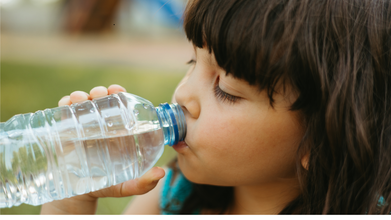
How Much Water Should Your Child Be Drinking?
Credit:Canva
Been wondering if your child has been consuming too much or too little water each day?
According to Dr Keerti Kulkarni, a Telangana-based pediatrician, toddlers should be consuming about 100ml per kg of water every day, school children should drink up to 90ml per kg and teenagers should take in up to 60ml per kg.
In a lengthy Instagram post, she noted that about 20 percent of their daily required water intake comes from food includng fruits, vegetables, soups and parents should be mindful not to provide children with excess water.
Dr Kulkarani also said that there are exceptions for underweight children who have any other medical issues, such as kidney problems or if they are on any regular medication.
The expert warned: "Breastfed or formula-fed babies do not need extra water before solid foods and giving extra water to young infants can be dangerous and may cause low sodium levels."
What Are Signs Of Dehydration In Children?
Dehydration occurs when the body loses more fluids than it takes in, impairing normal function. In children, signs include:
- Dry or sticky mouth
- Few or no tears when crying
- Eyes that look sunken
- In babies, the soft spot (fontanelle) on top of the head looks sunken
- Darker pee, peeing less or fewer wet diapers than usual
- Crankiness
- Drowsiness or dizziness
- Rapid heartbeat
Why Is Drinking Excessive Water Dangerous?
Drinking excessive water can lead to water intoxication, causing symptoms like confusion, nausea, and seizures; severe cases may be fatal. Water intoxication, also termed hyperhydration, water poisoning or water toxaemia, develops when an individual drinks much more water than the kidneys can excrete.
The main function of the kidneys in the human body is the processing and excretion of excess water. However, the human kidneys can process only up to 0.8 to 1.0L of water at a time. Drinking an amount that exceeds this may overwhelm the kidneys and put the electrolyte balance out of sync in the human body.
Electrolytes, especially sodium, are essential in maintaining fluid balance within and outside cells. Hyponatremia is a condition in which sodium levels fall below 135 mmol/L, resulting from excessive water intake. This causes water to shift into cells, swelling them. In the brain, this can cause severe complications, including coma or even death.
Symptoms of water intoxication vary from mild to severe. Early symptoms are often similar to dehydration, which makes self-diagnosis challenging. Common symptoms include:
- Headaches
- Nausea and vomiting
- Muscle cramps or weakness
- Fatigue or drowsiness
- Confusion and disorientation
This Widely Used Supplement Can Reduce Anger, Study Shows

Credit: Canva
Eating omega-3-rich foods can reduce your aggression levels by 28 percent, an Aggression and Violent Behavior study suggests.
After analyzing 29 randomized controlled trials involving 3,918 participants in total, researchers from the University of Pennsylvania concluded that the fish oil supplement can reduce both reactive anger (in response to provocation) and proactive anger (behavior planned in advance) in people regardless of age, gender, medical diagnosis and length and dosage of treatment.
Neurocriminologist Dr Adrian Raine said of the results: "I think the time has come to implement omega-3 supplementation to reduce aggression, irrespective of whether the setting is the community, the clinic, or the criminal justice system.
"At the very least, parents seeking treatment for an aggressive child should know that in addition to any other treatment that their child receives, an extra portion or two of fish each week could also help."
The scientists theorized that omega-3 can reduce brain inflammation and regulate vital brain functioning which helps maintain aggression levels. However, they also noted that further research was needed to understand the link.
"Omega-3 is not a magic bullet that is going to completely solve the problem of violence in society. But can it help? Based on these findings, we firmly believe it can, and we should start to act on the new knowledge we have." Dr Raine said.
What Are Fish Oil Omega-3s?
Omega-3 fatty acids are polyunsaturated fats known for their crucial role in brain function and overall mental health. Fish oil is particularly rich in EPA and DHA, which are vital components of cell membranes and have strong anti-inflammatory effects in the body.These omega-3s play a critical role in human development, and they are primarily found in fatty fish and fish oil. Since many people do not consume enough fish, supplementation is often recommended to ensure adequate intake of these essential fatty acids.
Although the body can convert another type of omega-3, alpha-linolenic acid (ALA), into EPA and DHA, this process is not highly efficient. As a result, fish oil supplements may provide a convenient way to ensure optimal levels of omega-3s.
READ MORE: NHS Doctor Says This Oil Instead of Cod Liver Is The Best Omega-3 Source
Some popular sources of Omega-3 include:
- Salmon
- Cod Liver Oil
- Algae Oil
- Oysters
- Nuts and seeds, such as flaxseeds, chia seeds, and walnuts
- Plant oils, such as flaxseed oil, soybean oil, and canola oil
- Fortified foods, such as eggs, yogurt, juices, milk, etc.
How Omega-3s Improve Brain Health
EPA and DHA are essential for maintaining brain function throughout life. These fatty acids are abundant in the brain's cell membranes, helping to preserve cell health and facilitate communication between brain cells.
Research has shown that a lack of omega-3 can lead to cognitive impairments. In animal studies, diets deficient in omega-3s resulted in reduced DHA levels in the brain, leading to deficits in learning and memory. In older adults, lower DHA levels have been linked to a smaller brain size, which may indicate accelerated brain ageing.
Maintaining sufficient levels of omega-3s can help support cognitive function and may reduce the risk of age-related brain decline.
The optimal dosage varies, but research suggests that 1,000–2,000 mg of omega-3 fatty acids from fish oil daily is a good starting point. People with depression should look for supplements with higher EPA content. It is pertinent to note that people should consult health experts before starting fish oil supplementation.
Budget 2026: Cheaper Fish In India
Earlier this month, Finance Minister Nirmala Sitharaman announced a surprising tax reduction for India's fishers and marine industry, and experts say it is good news for you too.
Until now, fish caught by Indian vessels beyond territorial waters and brought back to the country for mass consumption has been treated as import, attracting customs duties and integrated goods and services tax (GST).
The combined tax burden raises costs and compliance issues, which discouraged people from deep-sea and exclusive economic zone (EEZ) fishing as well as
However, during her Union Budget 2026 presentation, Sitharaman proposed that fish caught in the EEZ and high seas by Indian fishing vessels are treated as duty-free when brought into Indian ports and treated as exports when landed at foreign ports.
This means that the market availability for Omega-3 packed fishes including salmon, mackerel, tuna, herring and sardines will significantly increase as their existing steep prices see a tremendous fall.
- Follow Us :


© 2024 Bennett, Coleman & Company Limited