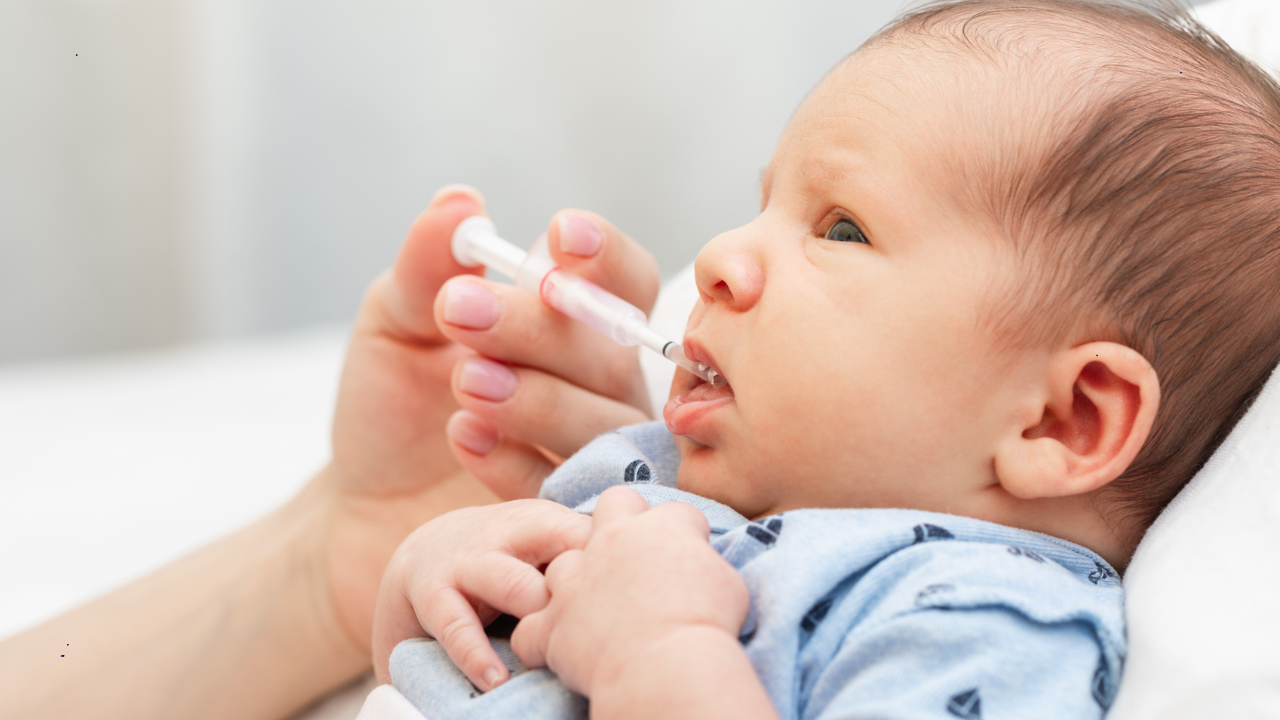
Infants who do not receive the recommended vitamin K injection at birth face a significantly higher risk of dangerous bleeding, including bleeding in the brain, according to a new study. The findings, published in JAMA Pediatrics, reinforce the importance of the routine newborn vitamin K shot in preventing Vitamin K Deficiency Bleeding (VKDB), a rare but potentially life-threatening condition.Higher Risk of Bleeding in Babies Without Vitamin KResearchers from the Karolinska Institutet in Sweden analyzed data from more than 2 million live births between 2003 and 2021.The study found that babies who did not receive an intramuscular vitamin K injection had:1.52 times higher odds of any bleeding episode during the first six months of life.2.91 times higher odds of intracranial (brain) bleeding during the same period."Our findings have important clinical implications, highlighting the ongoing need for communication between healthcare practitioners and parents about the vital role of vitamin K prophylaxis in preventing potentially life-threatening bleeding in newborns," said lead researcher Eleni Simatou of the Karolinska Institutet.Why Is Vitamin K Important For Newborns?Also read: 13.5 Million Children Remain Zero-Dose In 2025 Despite Global Vaccination Gains: UN ReportVitamin K is a fat-soluble vitamin essential for normal blood clotting and bone health. Newborns naturally have very low vitamin K levels, putting them at risk of Vitamin K Deficiency Bleeding (VKDB).The American Academy of Pediatrics (AAP) has recommended a vitamin K injection for all newborns since 1961. The shot is highly effective in preventing VKDB, which can cause severe internal bleeding, including bleeding in the brain, and may lead to permanent brain damage or death.Importantly, the vitamin K shot is not a vaccine. It is a one-time supplement given shortly after birth to provide babies with adequate vitamin K.Growing Concern Over Refusal of Vitamin K ShotThe researchers noted that parental refusal of vitamin K injections has been increasing in several countries.A separate JAMA analysis of US electronic health records, published earlier this year, found that refusal rates rose from 2.92% in 2017 to 5.18% in 2024. In Sweden, however, only 1.5% of newborns did not receive the vitamin K shot in 2021."Vitamin K at birth is safe and effective," said study author Kate Semidey of Florida International University."Our review found that babies who do not get the vitamin K injection are 81 times more likely to develop vitamin K deficiency bleeding."In addition to the US, the refusal is also growing in countries like Canada, New Zealand , and Scotland.The authors noted that refusal also appears to be more common in home births, where reporting may also be less complete.Read More: Cyclosporiasis Outbreak: US Probes Taco Bell Link; CDC Reviews Over 5,100 CasesBreastfed Babies Remain at Higher RiskBreast milk contains relatively low levels of vitamin K. As a result, babies who are exclusively breastfed remain vulnerable to VKDB until they begin eating solid foods if they do not receive the birth injection.The study also found a higher use of oral vitamin K, which is considered less effective than the intramuscular injection in preventing VKDB, particularly the late-onset form that can occur weeks after birth.