
- Health Conditions A-Z
- Health & Wellness
- Nutrition
- Fitness
- Health News
- Ayurveda
- Videos
- Medicine A-Z
- Parenting
Breastfeeding Week: Experts Share How Breastfeeding Helps You and Your Child?

Credits: Unsplash
World Breastfeeding Week (WBW), held in the first week of August every year, is a global campaign supported by the World Health Organisation and UNICEF and many Ministries of Health and civil society partners on the protection, promotion and support of breastfeeding. This initiative was started in 1992 to encourage mothers to breastfeed their children and build a support community for new mothers who face any difficulties in breastfeeding.
Why Did We Need An Awareness Week?
Dr Sangeetha Rao TP, consultant obstetrician and gynaecologist who has been practising for the last 13 years says that due to the lack of support from healthcare providers or family, physical challenges like latching difficulties, societal pressures, and misinformation around breastfeeding, many mothers stopped breastfeeding their babies. “Mothers often have the perception that their infant is not satisfied by breast milk alone. Mothers' concerns about lactation and nutrition issues are the most frequently cited reasons for stopping breastfeeding during the first two months,” says Dr Nisha Kapoor, who is the Director and Head of the Department of Obstetrics, Gynaecology and Minimally Invasive Laparoscopic and Robotic Surgery at Marengo Asia Hospitals.Gynaecologist, obstetrician and founder of Baby Soon Fertility and IVF Center, Dr Jyoti Bali with 26 years of experience says, “A reason why some mothers stopped breastfeeding was because of the increased marketing of formula as a convenient solution compared to breastfeeding.”
Experts agree that women undergo physical changes in their bodies during their pregnancy and while breastfeeding too, however, these have been exaggerated. “Breastfeeding can lead to temporary changes in breast size and shape, but these changes are typically normal and revert to baseline after weaning. Perceptions about breastfeeding causing long-term body changes are often unscientific or exaggerated,” says Dr Rao.
These were some of the reasons why women stopped breastfeeding and thus an initiative like World Breastfeeding Week was started. This also aims to highlight the health benefits to the mother and the child on breastfeeding.
Benefits of Breastfeeding on Mother
Breastfeeding is one of the most effective ways to ensure a child's health and survival. As per WHO, moms should initiate breastfeeding within the first hour of birth and continue breastfeeding for the first 6 months.Rao says that for the mother, it helps in faster postpartum recovery, reduces the risk of certain cancers, and can help with postpartum weight loss.
“Breast Feeding helps the mothers to shed their pregnancy weight more quickly because the production of milk requires the burning of calories,” agrees Dr Bali.
Other health benefits to mothers are postpartum healing, bonding with the baby and a decrease in the risk of ovarian cancer, mentions Dr Bali.
Breastfeeding Benefits on Baby
“IgA, IgG, and IgM are among the special proteins and antibodies found in breast milk that are absent from baby formulae. By covering the lining of the baby's developing intestines, these immunoglobulins provide passive immunity, shielding the youngster from potential infections and pathogens,” says Dr Neerja Goel, a senior obstetrician and gynaecologist with 45 years of experience.There are also nutritional values that help a preterm baby in his or her development. “For example, breast milk's higher protein content makes it easier for premature babies to absorb and digest than formula, which encourages better weight gain. Premature babies often have specific nutritional needs due to their early birth. Breast milk provides a tailored balance of proteins, fats, and carbohydrates that support their rapid growth and development. The composition of breast milk adjusts to meet the changing needs of a preterm infant, including higher levels of certain nutrients,” says Dr Goel.
Dr Bali also points out that breast milk contains antibodies, probiotics and DHA and ARA, a kind of fatty acids that are required for brain development. Thus, a baby can benefit a great deal from breastfeeding.
Health Risks When Not Breastfeeding
“Infants, not being breastfed is associated with an increased incidence of infectious morbidity as well as elevated risks of childhood obesity and diabetes. For mothers, failure to breastfeed is associated with an increased incidence of premenopausal breast cancer, ovarian cancer, retained gestational weight gain, Type 2 diabetes, and metabolic syndrome,” points out Dr Ashutosh Sarwa, a health expert in Maternal, Newborn and Child Health & Nutrition at Nutrition International.Poor breastfeeding practices in infancy and early childhood, resulting in malnutrition, contribute to impaired cognitive and social development, poor school performance and reduced productivity in later life.
Sarwa points out that psychological factors like stress, anxiety, postpartum depression, poor latch due to anatomical issues or improper positioning, and other medical conditions are the common reasons for this. “Identification and management of the specific cause, appropriate counselling by a healthcare provider, support (emotional and workplace both) and alternative feeding options,” he says.
Unable To Breastfeed Your Child? Here is What You Can Do
There are now Breastmilk banks which can provide breast milk for your child. Breastmilk banks provide a vital resource for infants who cannot receive breast milk from their mothers, such as preterm or ill babies.Do not be worried about its safety, Dr Rao says that donated milk is screened, pasteurised, and distributed to ensure safety and nutrition.
Are You a Working Mother?
Breastfeeding can be successfully managed for a working mother who must spend lengthy hours away from her child by combining pumping and conserving breast milk.“Purchasing a superior electric breast pump can increase the effectiveness of the procedure. Maintaining a consistent pumping schedule—ideally, every three to four hours—helps keep the milk supply steady. Pumped milk can be refrigerated for up to four days if stored in sterile containers or bags that have been labelled with the date and time. Milk can be frozen and thawed for extended storage,” suggests Dr Goel.
Your Kids’ Fast-fashion Clothing May Be Laced With High Levels of Toxic Lead

Credit: iStock
While you may be buying fast-fashion clothes that are easy on your pocket and also give your children trendy looks, a new study highlights the risk of being laced with a highly toxic ingredient: lead.
The preliminary research, based on lab tests of several shirts from different retailers in the US, found that all the samples exceeded the country’s federal regulatory lead limits.
The US Consumer Product Safety Commission currently has a 100 parts per million (ppm) lead limit for children's products like toys and clothing.
"I started to see many articles about lead in clothing from fast fashion, and I realized not too many parents knew about the issue," said Kamila Deavers, principal investigator of the study, at Marian University in the US.
Deavers began the study after her young daughter’s lab reports showed elevated levels of lead in her blood from toy coatings.
How was study conducted?
The team tested 11 shirts that spanned the rainbow—red, pink, orange, yellow, gray, and blue. All brightly colored fabrics, particularly reds and yellows, showed higher levels of lead compared to more muted tones.
"We saw that the shirts we tested were all over the allowed limit for lead of 100 ppm," said Priscila Espinoza, from Marina.
The researchers explained that some manufacturers use lead (II) acetate as an inexpensive way to help dyes stick to the materials and produce bright, long-lasting color.
Children At Greater Risk
The researchers found the risk is particularly higher among younger kids as they tend to playfully suck or chew their clothes during play.
"Even briefly chewing these fabrics could expose children to dangerous lead levels,” they found in the study, to be presented at the forthcoming meeting of the American Chemical Society.
According to the US Environmental Protection Agency (EPA), lead exposure can lead to behavior problems, brain and central nervous system damage, as well as other negative health effects in children.
The agency considers children under six years old to be most at risk from exposure. Even low levels of lead in the blood of children can result in:
- Behavior and learning problems
- Lower IQ and Hyperactivity
- Slowed growth
- Hearing Problems
- Anemia
The researchers also pointed out safer alternatives to lead-based dyeing agents that already exist. These include natural and less harmful substances such as:
- Plant-based tannins (e.g., oak bark, pomegranate peel)
- Rosemary
- Alum.
Racial Discrimination Leads To Postpartum and Low Birth Weight

Credits: Canva
A recent systematic review published in the European Medical Journal found that racial discrimination leads to postpartum depression and low birth weight (LBW). Pregnant women of color were 40 per cent more likely to experience postpartum depression and have 170 per cent higher risk of delivering a baby with LBW.
The findings allowed the researchers to report that racial discrimination is a modifiable determinant of maternal and nenonatal health. Researchers also note that they should be integrated into perinatal research and care to reduce inequalities.
Large Review Examines Decades of Research
A large review of international studies has found that racial discrimination experienced by pregnant women may be linked to a higher risk of postpartum depression and poor birth outcomes, including babies born with low birth weight.
Researchers analysed nearly three decades of research that examined self reported experiences of racial discrimination among pregnant women or those who had previously been pregnant. The analysis included more than 20,300 research records and covered close to 1.5 million participants.
The study explored whether exposure to racial discrimination was associated with a range of maternal and newborn health outcomes. These included hypertensive disorders during pregnancy, gestational diabetes, mode of delivery, postpartum depression, fetal growth, gestational outcomes, infant mortality, and admission of newborns to neonatal intensive care units.
Among all the outcomes studied, the strongest link was found with postpartum depression. Women who reported experiencing racial discrimination had a 37 percent higher risk of developing postpartum depression compared with those who did not report such experiences.
Higher Risk of Low Birth Weight Among Affected Mothers
The analysis also found significant associations between racial discrimination and low birth weight in babies.
Women who experienced racial discrimination were found to have a 121 percent higher risk of delivering babies with low birth weight. The risk was even greater for very low birth weight babies, with the likelihood increasing by 170 percent.
However, researchers did not find clear links between racial discrimination and certain pregnancy complications. No strong association was observed with hypertensive disorders of pregnancy or gestational diabetes.
Findings related to preterm birth were mixed. Cohort studies did not show a clear association, while cross sectional studies suggested a modest 19 percent increased risk of premature birth among women who reported discrimination.
For several other outcomes studied, the available evidence remained inconsistent.
Stress and biological changes may explain the link
Researchers suggested that everyday experiences of racial discrimination may affect maternal health through multiple pathways.
Repeated exposure to discrimination can create chronic stress, which may affect both mental and physical health during pregnancy. The stress can also lead to social isolation and strained personal relationships, which may increase the risk of postpartum depression.
Biological changes triggered by prolonged stress may also affect pregnancy outcomes. Researchers noted that stress linked to discrimination could influence placental function, metabolism, and inflammatory responses in the body. These changes may contribute to restricted fetal growth and increase the risk of babies being born underweight.
Experts call for stronger public health response
The authors emphasized that healthcare systems should recognize racial discrimination as an important social stressor that can influence maternal and newborn health.
They recommend that routine prenatal care include screening for social stressors along with mental health assessments during pregnancy and after childbirth.
Currently, many clinical guidelines do not explicitly recognise racial discrimination as a potential risk factor for maternal and neonatal health.
Researchers say the evidence highlights the need for broader policy efforts that address discrimination at a structural level. Treating discrimination as a public health issue rather than an individual experience may help reduce health inequalities and improve outcomes for mothers and babies.
Child Deaths Fall In India Since 2000 But Progress Slows, Says UN Report
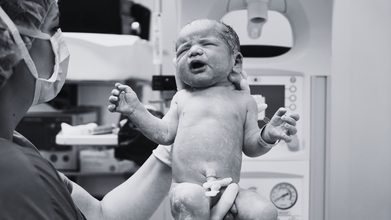
An estimated 4.9 million children died before reaching their fifth birthday in 2024, including 2.3 million newborns, according to the latest United Nations report on global child mortality. The findings were released in the report Levels and Trends in Child Mortality, which examines the leading causes of deaths among children worldwide.
The report notes that many of these deaths could have been prevented through simple and affordable health measures. Access to quality healthcare, timely treatment, vaccination, and better nutrition remain key factors in reducing child deaths.
Over the past two decades, the world has made significant progress. Global under five deaths have dropped by more than half since 2000. However, the pace of improvement has slowed in recent years. Since 2015, the rate of decline in child mortality has fallen by more than 60 percent, raising concerns among health experts.
India Shows Steady Progress In Reducing Child Mortality
Despite global challenges, India has made notable progress in improving child survival rates through sustained public health efforts.
According to the United Nations Inter Agency Group for Child Mortality Estimation (UNIGME) Report 2025, India has steadily reduced deaths among newborns and young children over the past decades. The Union Health Ministry said the country has played an important role in lowering child mortality across South Asia.
India’s Neonatal Mortality Rate, which measures deaths within the first 28 days of life, has seen a major decline. In 1990, the rate stood at 57 deaths per 1,000 live births. By 2024, it had dropped to 17.
A similar trend was seen in the Under Five Mortality Rate. In 1990, India recorded 127 deaths per 1,000 live births among children under five. By 2024, that number had fallen sharply to 27.
Health officials attribute this progress to targeted public health programmes, improved hospital deliveries, and wider vaccination coverage.
Malnutrition And Infections Still Claim Many Young Lives
The report highlights that several preventable health conditions continue to drive child deaths across the world.
For the first time, the report estimated deaths directly caused by severe acute malnutrition. It found that more than 100,000 children aged between one month and five years died due to severe malnutrition in 2024.
Experts believe the real impact may be even higher because malnutrition often weakens the immune system. This makes children more vulnerable to common infections such as pneumonia, diarrhea, and malaria, which can become life threatening.
Some countries reporting high numbers of malnutrition related deaths include Pakistan, Somalia, and Sudan.
Newborn Complications Remain A Major Concern
Nearly half of all deaths among children under five occur during the newborn stage. This reflects slower progress in preventing deaths around the time of birth.
The leading causes of newborn deaths include complications related to premature birth, which account for about 36 percent of cases. Problems during labor and delivery contribute to around 21 percent of deaths.
Other important causes include infections such as neonatal sepsis and certain birth defects.
After the first month of life, infectious diseases remain the main threats to children’s survival. Malaria, diarrhea, and pneumonia are among the biggest causes of death.
Health Experts Stress Need For Continued Investment
The report also points out that global funding for maternal and child health programmes is facing increasing pressure. This could slow progress in reducing child deaths in the coming years.
Experts stress that investing in child health remains one of the most effective public health strategies. Basic interventions such as vaccination, treatment for severe malnutrition, and skilled care during childbirth can save millions of lives.
According to the report, such measures not only improve health outcomes but also strengthen economies by creating healthier and more productive populations.
- Follow Us :


© 2024 Bennett, Coleman & Company Limited