
- Health Conditions A-Z
- Health & Wellness
- Nutrition
- Fitness
- Health News
- Ayurveda
- Videos
- Medicine A-Z
- Parenting
Couples Who Live With Chronic Health Conditions Do Not Have To Rule Out Parenthood, Says Doctor

Credits: Canva
For many couples managing lifelong medical conditions, the fear of infertility often feels unavoidable. But fertility specialists say modern reproductive medicine has changed that reality.
Dr Rupali Tambe, Fertility Specialist at Nova IVF Fertility, Lullanagar, Pune, told Health and Me that chronic illness no longer automatically closes the door to parenthood.
“Couples living with a chronic health condition do not have to rule out parenthood,” she says. “IVF can offer hope with the right planning and care.”
She notes that millions of pregnancies worldwide have been achieved through in vitro fertilization, including among patients with diabetes, thyroid disorders, PCOS, hypertension, asthma and autoimmune diseases.
How Chronic Illness Affects Fertility
Chronic diseases can influence fertility in multiple ways, affecting both partners and every stage of conception.
“Uncontrolled diabetes can impact egg quality, implantation and pregnancy outcomes,” Dr Tambe explains. “Similarly, thyroid imbalance may interfere with ovulation and increase miscarriage risk if untreated.”
Women with PCOS may respond excessively to fertility medications and require carefully adjusted doses to prevent complications. Cardiovascular or high blood pressure conditions also need specialist supervision because hormone stimulation places additional stress on the body.
Autoimmune disorders bring another layer of complexity. “They may affect implantation or early pregnancy and often need tailored treatment plans,” she adds.
Male fertility can also be affected. Diabetes and hormonal disorders may reduce sperm quality, but treatment of the underlying condition can improve IVF success rates.
Preparing Safely For IVF
The first step before starting IVF is stabilizing the medical condition.
“The couple should undergo evaluation and ensure the condition is well controlled,” Dr Tambe says. “Medication adjustments are sometimes necessary because certain long-term medicines are not safe during fertility treatment or pregnancy.”
She strongly advises against self-medication. “Follow the expert’s recommendation before taking any medicine.”
Lifestyle also plays a key role in improving outcomes.
Patients are encouraged to adopt a nutrient-rich diet including fruits, vegetables, whole grains, pulses and lentils while avoiding processed and oily foods. Daily exercise, stress reduction practices like yoga and meditation, and around eight hours of sleep help both fertility and disease control.
Monitoring During Treatment
Close monitoring remains crucial throughout IVF cycles.
“Regular follow-ups, blood tests, scans and health checks help detect problems early and keep treatment safe,” Dr Tambe explains.
Because hormone therapy can affect metabolism, blood pressure and immune responses, doctors track the body’s reaction carefully and modify treatment if needed.
This personalized approach has significantly improved safety for patients previously considered high-risk.
A Journey That Requires Teamwork
Dr Tambe emphasizes that IVF for patients with chronic illness is not just a procedure but a coordinated medical process.
“For individuals living with long-term health issues, IVF is a journey that requires patience, teamwork and informed care,” she says. “Manage the chronic condition and parenthood can become achievable.”
With careful planning, expert supervision and lifestyle discipline, many couples can safely pursue pregnancy despite medical challenges.
Why Miscarriage Needs Emotional Care At Par with Medical Treatment: Doctors Explain
Credit: Canva
Maternal Vaccination During Pregnancy Can Prevent COVID-related Hospitalization In Babies: Study
Credit: iStock/Canva
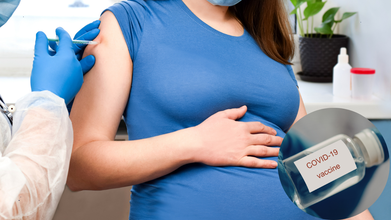
Maternal vaccination with the COVID-19 vaccine during pregnancy can be effective against severe disease and hospitalization from the SARS-CoV-2 virus in babies, according to a large study.
The study, published in the journal Pediatrics, revealed that COVID vaccination during pregnancy can protect the children against hospitalization for COVID during the first six months of life.
Also Read: COVID-19 Cicada Variant: Will It Become The Dominant Strain In The US? Know All About The Virus
Amid continuing COVID cases, babies under six months old continue to have one of the highest rates of hospitalization — one in five — due to the COVID virus in the US, as per a 2024 study.
As currently no vaccines against COVID are available for neonates and babies, the American College of Obstetricians and Gynecologists (ACOG) recommends maternal vaccination during pregnancy.
Maternal COVID Vaccination Prevented Other Infections
The retrospective study included 146,031 infants born in Norway between March 2021 and December 2023. Of these, 37, 013 (25 percent) were exposed to COVID-19 vaccination in utero.
The findings showed that babies exposed to the vaccine before birth were no more likely to visit the hospital for overall infections (of any kind) than those whose mothers did not get vaccinated in pregnancy.
However, infants whose mothers were vaccinated were about half as likely to visit the hospital specifically for COVID in their first two months of life compared to babies not exposed to the vaccine in utero.
Also Read: Olivia Munn Opens Up About Detecting No-Symptom Breast Cancer With Lifetime Risk Assessment Test
Among 3 to 5-month-old babies, the risk of a hospital visit for COVID was 24 percent lower in those exposed to the vaccine, but the vaccine's protection against COVID wore off by the time infants were older than 6 months.
Importantly, the mothers' vaccine also prevented the risk of other infections in children.
"There is often an increased risk for a subsequent infection after a viral infection, such as an increased risk of pneumonia after influenza infection, so we wanted to study whether protection against COVID-19 could influence the risk of other infections as well," said lead author Dr. Helena Niemi Eide, from the University of Oslo in Norway, the NPR reported.
"But we found that COVID vaccination in pregnancy protected the infant against COVID and had no apparent effect on other infections," Eide added.
Maternal Vaccine Recommendation in the US
Last week, the American College of Obstetricians and Gynecologists reiterated its recommendation for COVID vaccination during pregnancy.
Despite changes in federal vaccine recommendations due to the US Health Secretary Robert F. Kennedy Jr.’s anti-vaccine stance, the ACOG urged COVID vaccination for
- people who are pregnant,
- recently pregnant,
- considering pregnancy,
- lactating.
Also read: Bipolar Disorder: How Early Detection Can Help Prevent Serious Complications
"Accumulated safety data from millions of administered doses show no increased risk of adverse maternal, fetal, or neonatal outcomes associated with COVID-19 vaccination in pregnancy,” the ACOG said.
- Follow Us :


© 2024 Bennett, Coleman & Company Limited