
- Health Conditions A-Z
- Health & Wellness
- Nutrition
- Fitness
- Health News
- Ayurveda
- Videos
- Medicine A-Z
- Parenting
Cramps During Pregnancy: Is It Normal Or A Warning Sign

Image Credit: Canva
Pregnancy is a transformative journey that comes with various physical changes, some of which may be expected, while others can feel alarming. Among these, cramping is a common concern that often leaves expectant mothers wondering whether it's a normal part of pregnancy or a sign of a potential complication. Understanding the causes, symptoms, and management of pregnancy cramps can help ease anxiety and ensure a safe and healthy experience.
Cramps during pregnancy are typically mild and sporadic, often resembling menstrual pains. They can occur at any stage, with causes varying from early to late pregnancy.
First Trimester (Weeks 0–12)
During early pregnancy, hormonal shifts and the expanding uterus can cause mild cramping. This is generally not a cause for concern and may be linked to:
Implantation Cramping: Some women experience mild cramps due to implantation, which occurs when the fertilized egg attaches to the uterus.
Uterine Growth: The uterus begins to expand, leading to a pulling or stretching sensation in the lower abdomen.
Digestive Issues: Increased progesterone levels slow digestion, leading to bloating, gas, and constipation, which can contribute to discomfort.
Second Trimester (Weeks 13–26)
As the pregnancy progresses, the uterus continues to grow, and the round ligament—a muscle supporting the uterus—stretches. This can cause a sharp, pulling pain on either side of the lower abdomen, especially with sudden movements.
Third Trimester (Weeks 27–40)
In the later months, mild contractions known as Braxton Hicks can occur. These "practice contractions" are usually irregular and painless but may cause some discomfort. They are the body's way of preparing for labor and should subside with rest or hydration.
What Do Pregnancy Cramps Feel Like?
The sensation of cramping can vary widely. Some common descriptions include:
- A dull ache similar to menstrual cramps
- Sharp, shooting pain in the abdomen or lower back
- A pulling or stretching sensation in the lower belly
Cramps can last a few minutes to a few hours, and their intensity can fluctuate. Typically, changing positions, resting, or staying hydrated helps alleviate the discomfort.
Managing Mild Pregnancy Cramps at Home
For cramps that fall within the normal range, there are several ways to find relief:
Rest and Change Positions: Lying down, sitting, or shifting positions can ease discomfort.
Warm Baths or Showers: A soak in warm water can help relax muscles and soothe cramps.
Hydration: Pregnant women need increased water intake to prevent dehydration, which can sometimes trigger cramps.
Gentle Exercise: Light stretching, yoga, and walking can reduce muscle tension and improve circulation.
Deep Breathing and Relaxation Techniques: Meditation and controlled breathing exercises can help ease tension and improve overall well-being.
Over-the-Counter Pain Relief: Acetaminophen (Tylenol) may be safe for occasional use, but always consult a healthcare provider before taking any medication during pregnancy.
When Should You Be Concerned About Cramping?
While mild cramping is common, certain symptoms indicate a more serious issue that requires immediate medical attention. These include:
- Severe, persistent cramping that intensifies over time
- Cramps accompanied by heavy vaginal bleeding or clotting
- Sharp abdominal pain with fever or chills
- Increased or watery vaginal discharge
- Painful urination or blood in the urine, which may indicate a urinary tract infection (UTI)
- Pelvic pressure or contractions before 37 weeks, which could signal preterm labor
What Causes Severe or Abnormal Cramping?
Ectopic Pregnancy: Occurs when a fertilized egg implants outside the uterus, typically in a fallopian tube. This can cause sharp pain on one side and requires urgent medical care.
Miscarriage: Cramping with heavy bleeding or tissue passing from the vagina may indicate pregnancy loss.
Placental Abruption: A rare but serious condition where the placenta detaches from the uterus prematurely, causing severe pain and requiring immediate medical attention.
Preterm Labor: Cramps accompanied by regular contractions, back pain, or pressure in the pelvis before 37 weeks may indicate early labor.
Pregnancy brings many new sensations, and while some discomfort is expected, your intuition is important. If something feels off or if cramping is persistent and painful, don't hesitate to reach out to your doctor. Prompt medical evaluation can ensure the health and safety of both you and your baby.
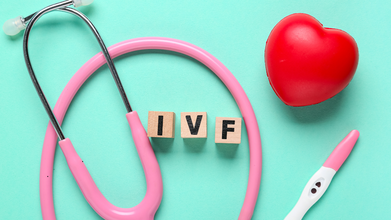
What To Do When The First IVF Does Not Work, Explains Doctor
Credits: Canva
For many couples, the journey to parenthood does not always unfold as expected. While some conceive naturally without difficulty, others may struggle with fertility challenges caused by hormonal imbalances, ovulation disorders, endometriosis, PCOS, low sperm count, age-related decline in egg or sperm quality, or even unexplained infertility.
In such situations, assisted reproductive treatments such as intrauterine insemination (IUI) and in-vitro fertilization (IVF) offer a path forward. IUI is often recommended in mild fertility concerns, while IVF is typically advised when conception becomes more complex. However, one reality that many couples are not prepared for is that IVF may not work in the very first attempt.
According to Dr. Mrunalini Jagne (Ahire), Fertility Consultant and IVF Specialist at Motherhood Hospital, Kharghar, a failed first IVF cycle can be emotionally overwhelming. “Many couples feel disappointed or discouraged when their first IVF cycle fails. But it is important to understand that one unsuccessful cycle does not mean pregnancy is impossible,” she says.
Read: Priyanka Chopra, Nick Jonas Open Up About Malti’s Premature Birth And NICU Battle
Why IVF May Not Work The First Time
IVF is a complex medical process that depends on multiple biological factors. Egg quality, sperm health, embryo development and the condition of the uterus all influence whether implantation will occur successfully. Even when the procedure is performed perfectly, these variables can affect the outcome.
“Fertility treatment involves several steps and each individual’s body responds differently to medication and procedures,” explains Dr. Jagne. “Sometimes the first cycle acts as a learning phase that helps doctors understand how the patient’s body reacts to the treatment.”
Because of this, many couples go on to conceive in subsequent cycles. The experience from the first attempt often provides valuable information that helps doctors refine the treatment strategy.
What Doctors Evaluate After A Failed IVF Cycle
When the first IVF cycle does not result in pregnancy, specialists usually conduct a detailed reassessment before planning the next attempt. This evaluation may include hormone testing to check fertility levels, hysteroscopy to examine the uterus, and genetic testing of embryos to identify underlying issues.
Doctors may also analyze ovarian reserve through tests such as Anti-Mullerian Hormone (AMH) levels and Antral Follicle Count (AFC). In men, sperm DNA fragmentation tests may be recommended to assess sperm health more closely.
“Once we understand the possible factors that may have affected implantation, we can modify the treatment plan,” says Dr. Jagne. “This may involve adjusting medication doses, improving embryo selection techniques, or using additional diagnostic tests.”
Advances in reproductive medicine have also improved the chances of success in later cycles. Techniques such as preimplantation genetic testing (PGT), blastocyst culture and advanced embryo freezing methods like vitrification allow fertility specialists to select healthier embryos and optimize implantation timing.
“These technologies have significantly improved IVF outcomes in recent years,” Dr. Jagne notes.
How Couples Can Prepare For The Next Attempt
Apart from medical adjustments, lifestyle factors also play an important role in improving fertility outcomes. Couples planning another IVF cycle are often advised to maintain regular follow-up appointments and complete all recommended investigations.
Adopting healthy habits can also support the treatment process. Eating a balanced diet, exercising regularly, avoiding smoking and alcohol, and prioritizing good sleep can positively influence reproductive health. Stress management through yoga, meditation or counselling may also help couples cope with the emotional strain that often accompanies fertility treatments.
“Couples should focus on staying positive and following medical advice closely,” Dr. Jagne adds. “With proper care, many people who did not succeed in the first attempt go on to achieve a healthy pregnancy in later cycles.”
Hope Beyond The First Attempt
A failed IVF cycle can feel like a major setback, but experts emphasize that it is rarely the end of the fertility journey. With careful medical evaluation, improved treatment strategies and supportive lifestyle changes, many couples eventually succeed.
As Dr. Jagne puts it, “IVF is a process, and sometimes it takes more than one attempt. With the right guidance and perseverance, many couples are able to fulfil their dream of becoming parents.”
Danica McKellar Said She Loved How Her Placenta Tasted; Why Do Some People Eat It?

Credits: Wikimedia Commons
Danica McKellar, American actress said she was embarrassed to admit that she liked tasting her placenta. While she did not go into childbirth thinking she was going to taste her placenta, she says she is glad she did so.
She said this while explaining her surprising postpartum culinary experience in a conversation with Bobby Bones on The BobbyCast.
"My doula said, do you want to taste the placenta? I'd just given birth. And I'm like, sure. I mean, you're not even, you're not in your right mind. She gave me a piece of it. Bobby, it was like the best filet mignon that I have ever tasted. But more," she said.
She continued that she was embarrassed about how much she loved it. "It was bizarre. I thought, what is this, some sort of weird satanic...Am I a cannibal?"
She is now mom to 15-year-old son Draco Verta, who she shares with her ex-husband and composer Mike Verta.
Why Do People Eat Placenta?
A 2014 BBC report notes that placenta sustains life in the womb and leaves the mother once it has served its purposes after the childbirth. The nutrients that have passed from mother to fetus over the months of pregnancy are still packed inside the placenta and should not be wasted. Instead, the raw placenta, many believe, could provide what the mother needs to recover from childbirth and begins breastfeeding.
Some women, as the BBC report notes, are also choosing to drink the placenta in a fruit smoothie within hours of giving birth. While others keep it cool and send it off to be dried and made into capsules, or ripping chunk of it and placing it by their gums.
As per Mayo Clinic, some people believe that eating placenta can help them recover from postpartum depression. However, the US Centers for Disease Control and Prevention issued a warning against taking placenta capsules. The warning was based on the case in which newborn developed an infection called group B streptococcus after the mother took placenta capsules.
The mother was thought to be infected with group B strep bacteria that came from the placenta because the capsules tested positive for the bacteria. Then the infection spread to the infant. Group B strep can cause serious illness in newborns. That may include a severe infection called sepsis. Group B strep also can lead to meningitis. Meningitis is an infection that affects the lining of the brain and spinal cord.
This infection happens when one processes their placenta and it could expose the placenta to bacteria or viruses.
Placenta And What It Holds
The placenta contain several hormones, including oxytocin, estrogen, progesterone, and relaxin. It is also rich in protein, amino acids, and minerals. However, the claims of people saying that it is healthy and should be consumed after delivering a child to avoid postpartum depression have not been fully tested. There are however cases where animals other than humans eat placenta after birth as it could reduce there labor pain. However, the same has not been proven in humans.
Leucovorin Prescriptions Surge After White House Mentions It For Autism Use, Parents Struggle To Find Drug

Credits: Canva and iStock
Leucovorin, a high-dose vitamin - folinic acid, were mostly used for treating toxic side effects of chemotherapy, until last year when the White House touted it as a potential treatment for some children with autism. New prescriptions for leucovorin double within weeks of announcement and parents have been trying hard to get it prescribed. This is also because many doctors have been hesitant to prescribe a chemotherapy medicine for childhood autism. They have also stated that not enough evidence is available to prescribe this drug officially.
CNN reported that in Austin, Texas, Meagan Johnson spent four days calling pharmacies across the region searching for leucovorin for her three-year-old son Jack, who has autism. She contacted nearly 40 pharmacies around her home in Pflugerville, hoping to locate the medication.
The effort came after a neurologist agreed to prescribe leucovorin on a trial basis. Johnson’s hope was simple: even a small improvement in her son’s communication would mean a lot. At age three, most children can say hundreds of words, but Jack speaks only about 20, many of which only his mother understands.
However, getting the prescription turned out to be far harder than obtaining it.
Across the United States, pharmacies have been reporting growing difficulty keeping leucovorin tablets in stock. Online support groups for parents of autistic children are now filled with posts from families searching for the medication or asking where it might still be available.
Although leucovorin is not approved specifically for autism, some small studies have suggested that it may help certain children who have unusually low levels of folate in the brain. Families who have tried it report possible improvements in language and social interaction.
A study published in The Lancet found that prescriptions for leucovorin doubled within weeks of the public remarks and remained elevated through early December. Researchers analysed electronic medical records covering nearly 300 million patients to identify the trend.
Experts say such spikes can quickly strain the supply of inexpensive generic drugs.
A Classic Demand-Driven Shortage
Pharmacy supply specialists describe the leucovorin situation as a demand-side shortage. Unlike manufacturing disruptions, these shortages happen when demand rises faster than manufacturers can increase production.
Generic drug manufacturers typically plan production schedules a year or more in advance. Because leucovorin had historically been a niche medication, companies were not prepared for a sudden surge in prescriptions.
As demand increased, pharmacies began running out of tablets. Many manufacturers have placed the drug on allocation or backorder, meaning pharmacies can only order limited quantities.
To ease the pressure, the US Food and Drug Administration allowed temporary imports of leucovorin tablets from Canada and Spain. However, the drug has not yet been officially listed on the FDA’s national drug shortage database, a designation that could trigger additional measures to boost supply.
Families Searching For A Treatment
For parents like Johnson, the debate over research evidence matters less than the possibility of progress.
After days of phone calls, a CVS pharmacist finally located a supply at another branch nearly an hour away. Johnson drove the distance to pick up the medication and gave Jack his first dose that same evening.
The moment brought relief, but also frustration.
Drug shortage advocates say the situation was predictable. Because leucovorin is inexpensive and historically prone to shortages, any sudden increase in demand could easily disrupt supply.
Still, families continue to search for it.
- Follow Us :


© 2024 Bennett, Coleman & Company Limited