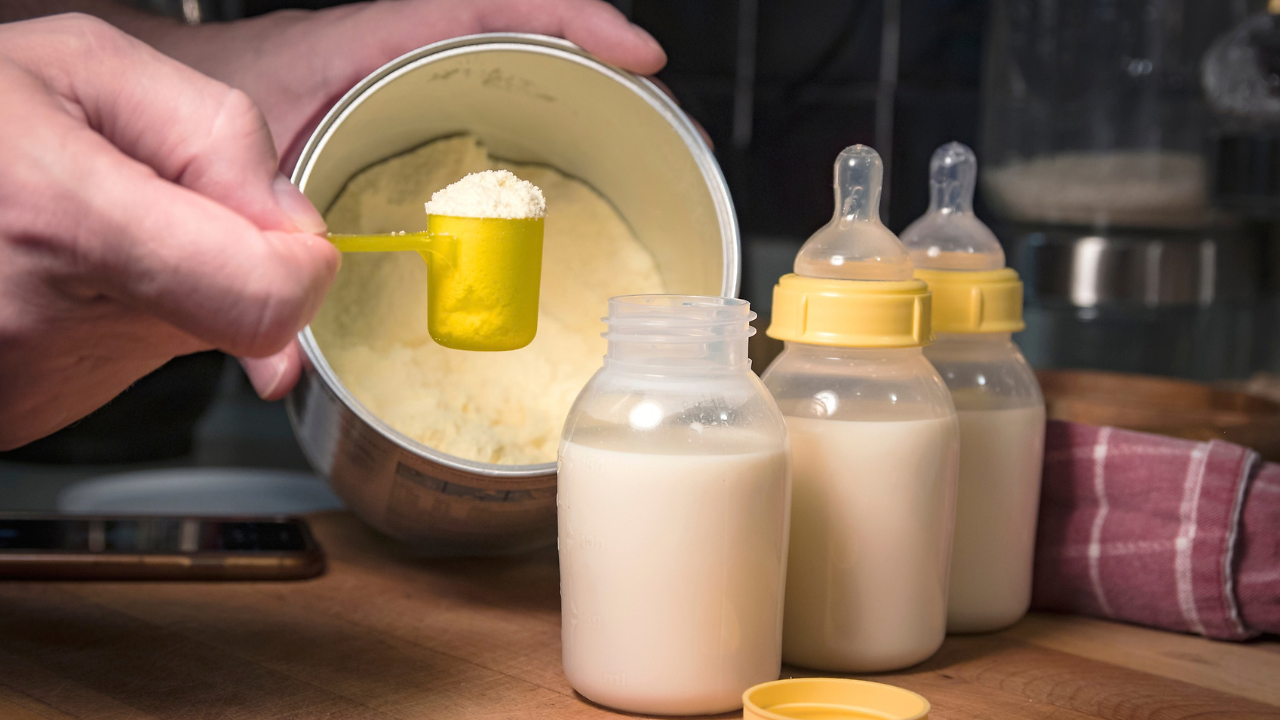
Feeding a newborn is one of the first and most important decisions parents make after birth. There is often debate around breastfeeding versus formula feeding. It is necessary to know the difference between exclusive breastfeeding and formula feeding to help families make informed choices based on the baby’s needs and even the mother’s health. Here, an expert explains both breastfeeding and formula feeding.Are you new parents? Know that caring for a newborn usually involves many questions about feeding. Some mothers tend to exclusively breastfeed, while others use formula due to various issues such as low milk supply or other circumstances. But remember that every family’s situation is different, and parents should make feeding decisions only after consulting the doctor. The priority should be to give the baby safe, adequate nutrition for prompt growth and development.Also read: Don’t Miss a Beat: Why Every Newborn Deserves a Heart CheckAll you need to know about exclusive breastfeedingExclusive breastfeeding means feeding a baby only breast milk for the first six months of life. So, the baby will not be given water, formula, juice, or solid foods unless the doctor recommends. So, breast milk consists of nutrients, antibodies, and healthy fats, which are important for the baby’s growth and brain development. Breast milk is important for the baby and can help prevent infections, diarrhoea, and respiratory illnesses, and boosts the baby’s immunity.Talking about formula feeding, this means giving a baby specially prepared infant formula to provide the nutrients needed for growth. So, formula milk is given when breast milk cannot be given to the baby. Now, modern infant formulas are carefully developed to support healthy growth. However, it doesn’t contain the natural antibodies and immune-protective factors that are present in breast milk. Formula milk should always be prepared safely as per the doctor’s instructions to reduce the baby’s chances of infections or any nutritional problems. This is what parents should noteBreastfeeding is crucial for the baby as it tends to provide complete nutrition and health benefits for both mother and baby. It also helps enhance the mother and the baby’s bond and reduces the mother’s risk of breast and ovarian cancers. However, some women will be unable to breastfeed their babies due to certain medical conditions, medications, insufficient milk supply, or other challenges. So, in such a situation, infant formula is a safe and nutritious alternative when used correctly under medical guidance. Even those babies who are formula-fed can also grow and develop well when they receive appropriate nutrition, are vaccinated, and are taken for regular health check-ups. Instead of comparing feeding methods, ensure to feed the baby well.