
- Health Conditions A-Z
- Health & Wellness
- Nutrition
- Fitness
- Health News
- Ayurveda
- Videos
- Medicine A-Z
- Parenting
Racial Discrimination Leads To Postpartum and Low Birth Weight

Credits: Canva
A recent systematic review published in the European Medical Journal found that racial discrimination leads to postpartum depression and low birth weight (LBW). Pregnant women of color were 40 per cent more likely to experience postpartum depression and have 170 per cent higher risk of delivering a baby with LBW.
The findings allowed the researchers to report that racial discrimination is a modifiable determinant of maternal and nenonatal health. Researchers also note that they should be integrated into perinatal research and care to reduce inequalities.
Large Review Examines Decades of Research
A large review of international studies has found that racial discrimination experienced by pregnant women may be linked to a higher risk of postpartum depression and poor birth outcomes, including babies born with low birth weight.
Researchers analysed nearly three decades of research that examined self reported experiences of racial discrimination among pregnant women or those who had previously been pregnant. The analysis included more than 20,300 research records and covered close to 1.5 million participants.
The study explored whether exposure to racial discrimination was associated with a range of maternal and newborn health outcomes. These included hypertensive disorders during pregnancy, gestational diabetes, mode of delivery, postpartum depression, fetal growth, gestational outcomes, infant mortality, and admission of newborns to neonatal intensive care units.
Among all the outcomes studied, the strongest link was found with postpartum depression. Women who reported experiencing racial discrimination had a 37 percent higher risk of developing postpartum depression compared with those who did not report such experiences.
Higher Risk of Low Birth Weight Among Affected Mothers
The analysis also found significant associations between racial discrimination and low birth weight in babies.
Women who experienced racial discrimination were found to have a 121 percent higher risk of delivering babies with low birth weight. The risk was even greater for very low birth weight babies, with the likelihood increasing by 170 percent.
However, researchers did not find clear links between racial discrimination and certain pregnancy complications. No strong association was observed with hypertensive disorders of pregnancy or gestational diabetes.
Findings related to preterm birth were mixed. Cohort studies did not show a clear association, while cross sectional studies suggested a modest 19 percent increased risk of premature birth among women who reported discrimination.
For several other outcomes studied, the available evidence remained inconsistent.
Stress and biological changes may explain the link
Researchers suggested that everyday experiences of racial discrimination may affect maternal health through multiple pathways.
Repeated exposure to discrimination can create chronic stress, which may affect both mental and physical health during pregnancy. The stress can also lead to social isolation and strained personal relationships, which may increase the risk of postpartum depression.
Biological changes triggered by prolonged stress may also affect pregnancy outcomes. Researchers noted that stress linked to discrimination could influence placental function, metabolism, and inflammatory responses in the body. These changes may contribute to restricted fetal growth and increase the risk of babies being born underweight.
Experts call for stronger public health response
The authors emphasized that healthcare systems should recognize racial discrimination as an important social stressor that can influence maternal and newborn health.
They recommend that routine prenatal care include screening for social stressors along with mental health assessments during pregnancy and after childbirth.
Currently, many clinical guidelines do not explicitly recognise racial discrimination as a potential risk factor for maternal and neonatal health.
Researchers say the evidence highlights the need for broader policy efforts that address discrimination at a structural level. Treating discrimination as a public health issue rather than an individual experience may help reduce health inequalities and improve outcomes for mothers and babies.
Child Deaths Fall In India Since 2000 But Progress Slows, Says UN Report

An estimated 4.9 million children died before reaching their fifth birthday in 2024, including 2.3 million newborns, according to the latest United Nations report on global child mortality. The findings were released in the report Levels and Trends in Child Mortality, which examines the leading causes of deaths among children worldwide.
The report notes that many of these deaths could have been prevented through simple and affordable health measures. Access to quality healthcare, timely treatment, vaccination, and better nutrition remain key factors in reducing child deaths.
Over the past two decades, the world has made significant progress. Global under five deaths have dropped by more than half since 2000. However, the pace of improvement has slowed in recent years. Since 2015, the rate of decline in child mortality has fallen by more than 60 percent, raising concerns among health experts.
India Shows Steady Progress In Reducing Child Mortality
Despite global challenges, India has made notable progress in improving child survival rates through sustained public health efforts.
According to the United Nations Inter Agency Group for Child Mortality Estimation (UNIGME) Report 2025, India has steadily reduced deaths among newborns and young children over the past decades. The Union Health Ministry said the country has played an important role in lowering child mortality across South Asia.
India’s Neonatal Mortality Rate, which measures deaths within the first 28 days of life, has seen a major decline. In 1990, the rate stood at 57 deaths per 1,000 live births. By 2024, it had dropped to 17.
A similar trend was seen in the Under Five Mortality Rate. In 1990, India recorded 127 deaths per 1,000 live births among children under five. By 2024, that number had fallen sharply to 27.
Health officials attribute this progress to targeted public health programmes, improved hospital deliveries, and wider vaccination coverage.
Malnutrition And Infections Still Claim Many Young Lives
The report highlights that several preventable health conditions continue to drive child deaths across the world.
For the first time, the report estimated deaths directly caused by severe acute malnutrition. It found that more than 100,000 children aged between one month and five years died due to severe malnutrition in 2024.
Experts believe the real impact may be even higher because malnutrition often weakens the immune system. This makes children more vulnerable to common infections such as pneumonia, diarrhea, and malaria, which can become life threatening.
Some countries reporting high numbers of malnutrition related deaths include Pakistan, Somalia, and Sudan.
Newborn Complications Remain A Major Concern
Nearly half of all deaths among children under five occur during the newborn stage. This reflects slower progress in preventing deaths around the time of birth.
The leading causes of newborn deaths include complications related to premature birth, which account for about 36 percent of cases. Problems during labor and delivery contribute to around 21 percent of deaths.
Other important causes include infections such as neonatal sepsis and certain birth defects.
After the first month of life, infectious diseases remain the main threats to children’s survival. Malaria, diarrhea, and pneumonia are among the biggest causes of death.
Health Experts Stress Need For Continued Investment
The report also points out that global funding for maternal and child health programmes is facing increasing pressure. This could slow progress in reducing child deaths in the coming years.
Experts stress that investing in child health remains one of the most effective public health strategies. Basic interventions such as vaccination, treatment for severe malnutrition, and skilled care during childbirth can save millions of lives.
According to the report, such measures not only improve health outcomes but also strengthen economies by creating healthier and more productive populations.
Can Matcha Cause Infertility? Explains Expert

Credits: Canva
Matcha has quickly become one of the trendiest drinks among young adults in India. From cafés to home kitchens, the bright green powder now appears in lattes, smoothies, desserts and wellness drinks. Many people see it as a healthier alternative to coffee, especially because of its antioxidant properties and calming effect.
The popularity of matcha has also been fueled by celebrities and social media influencers who often promote it as a superfood. However, as the drink gains popularity, questions have also started circulating online about whether matcha could affect fertility.
Experts say the concern needs careful understanding rather than panic.
Why matcha has become so popular
Matcha is a finely powdered form of green tea made from specially grown tea leaves. Unlike regular green tea, where the leaves are steeped and then removed, matcha involves consuming the entire leaf in powdered form mixed with water or milk.
Because of this, matcha contains a higher concentration of antioxidants, caffeine and plant compounds known as catechins. These compounds are associated with several potential health benefits, which is one reason the drink has attracted so much attention.
Dr Rashmi Agarwal, Fertility Specialist at Nova IVF Fertility in Gurugram, says that while matcha can be part of a healthy lifestyle, the key issue is how much people consume.
“Matcha itself does not directly cause infertility. However, excessive consumption may have an indirect impact on reproductive health,” she explains.
The role of caffeine
One of the main reasons experts advise moderation is the caffeine content in matcha.
Although matcha is often seen as gentler than coffee, it still contains caffeine. Drinking several cups a day can increase overall caffeine intake.
Dr Agarwal notes that “high caffeine intake may affect hormone balance and fertility in some individuals.”
Caffeine can influence hormonal regulation in the body. In women, excessive intake may affect ovulation, while in men it may have an impact on sperm quality.
This does not mean that occasional matcha consumption harms fertility. Problems may arise only when it is consumed in very large amounts over a long period of time.
Sleep and stress can also play a role
Another indirect factor linked to high caffeine intake is sleep disturbance.
Dr Agarwal explains that drinking large quantities of matcha, particularly later in the day, may interfere with sleep patterns because of its caffeine content.
Poor sleep and chronic stress can disrupt hormone levels in the body. Over time, this imbalance may contribute to fertility problems.
Maintaining proper sleep cycles and managing stress are both considered important for reproductive health.
The risk of replacing proper nutrition
Experts also point out another modern lifestyle pattern linked with trendy beverages.
Dr Agarwal says some people rely heavily on drinks such as matcha lattes or wellness beverages while neglecting balanced meals.
“Sometimes people replace balanced meals with trendy drinks like matcha lattes. This may lead to nutritional deficiencies that can affect reproductive health,” she says.
A healthy diet that includes proteins, healthy fats, vitamins and minerals plays an essential role in supporting fertility.
Moderation is the key
According to fertility experts, there is no evidence that moderate matcha consumption causes infertility.
Dr Agarwal recommends limiting intake to about one cup a day. In moderate quantities, matcha is generally safe and can even provide antioxidant benefits.
For individuals planning a pregnancy or dealing with fertility issues, discussing dietary habits with a doctor can be helpful.
Along with mindful caffeine intake, maintaining a balanced diet, exercising regularly and managing stress remain the most reliable ways to support reproductive health.
Is India Set To Implement A Social Media Ban For Children?
Credit: iStock
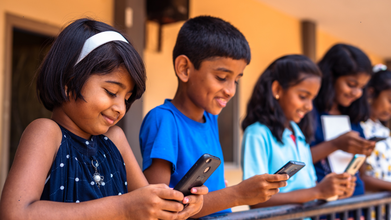
After Karnataka and Andhra Pradesh, now Bihar plans to implement social media for children. The Indian government is also reportedly mulling at a larger plan.
The move is largely aimed at curbing cyberbullying, addiction, and poor mental health. But given India's rapidly evolving digital landscape, can it work, or will it have serious repercussions? Lets, take a look.
While Karnataka banned social media for children under 16 to combat negative mental health effects, in Andhra Pradesh, the ban will be applied to children aged 13 and below within the next 90 days.
Globally, Australia and Indonesia have also effected similar bans.
The social media bans in India came as the central government, in its Economic Survey, tabled in the Parliament in January this year, stated the need for an age-based access to online platforms and also implored cutting down online teaching to avoid digital addiction.
"The intent to protect young minds from addiction, misinformation, and harmful content is welcome. However, effectiveness will depend less on restricting children and more on regulating platforms," Dr. Rajendra Pratap Gupta, chairman- Health Parliament, creator of SHE App and former advisor to the Union Health Minister, told HealthandMe.
Also read: Karnataka’s Social Media Ban To Help Children Find Life Beyond Screens
Social Media And Teen Health
A 2025 report by NITI Aayog revealed that children in India aged up to five spent 1.5 hours online on average in 2023, accessing educational videos and games.
Children between six and 10 years old spent 2.5 hours online using services such as social media, gaming, and videos.
Further, the Economic Survey 2025-26 also mentioned the high prevalence of social media addiction among those aged 15-24 and linked it with an increase in anxiety, depression, low self-esteem, and cyberbullying stress.
Coupled with compulsive scrolling and gaming disorders, Indian youth are increasingly experiencing sleep disruption, aggression, social withdrawal, and depression, with adolescent populations being especially vulnerable.
According to a study published by the Pew Research Center in 2025, showed roughly half of teens (48 percent) say social media sites have a mostly negative effect on people their age.
A December 2025 study by Karolinska Institutet in Sweden showed social media is tied to rising attention problems in teens.
Several other studies globally have indicated that those teens who spend more time on social media tend to show more symptoms of depression.
These showed that excessive social media use can lead to:
- Social isolation
- Decrease physical activity and time spent outdoors
- Sleep loss
- Increase stress
“For developing young brains, excessive social media exposure has been linked to anxiety, depression, sleep disruption, and, most importantly, difficulty with regulating attention and emotions. Algorithms intensify comparison, validation-seeking, and exposure to harmful content, which children lack the maturity to process,” Dr. Sachin Pradeep Baliga, Associate Consultant Mental Health & Behavioural Sciences, Fortis Healthcare, told HealthandMe.
In 2023, former US Surgeon General Vivek Murthy named social media as a major threat to the mental health of teens. He also released a social media advisory about social media and mental health.
The advisory indicates that frequent social media use could be associated with changes in parts of the brain related to emotions and learning. Additionally, it can affect impulse control, social behavior, emotional regulation, and sensitivity to social punishments and rewards.
In serious cases, social media can also contribute to self-harm or suicidal thoughts, especially among teens and children facing cyberbullying or trolling. Young people are particularly vulnerable to online pressures, negative comparisons, and feelings of rejection.
At the same time, social media in some ways can also benefit mental health. It provides many teens with a community that helps them through difficult times.
Many social media platforms also encourage
- help-seeking behaviors
- initiates mental health care
- Affirms sexual identities
- Provides social support
“The goal should be age-appropriate access, digital literacy, parental supervision, and platform accountability. Like traffic rules for a busy highway, regulations can protect young minds while still allowing them to access the healthy benefits of digital connection and learning,” the expert said.
A Blanket Ban By The Government?
The Economic Survey stated that as digital access cannot be fully restricted, the establishment of offline youth hubs, particularly in urban slums and rural areas, can be provide alternatives to digital spaces. It also urged moderated online safe spaces hosted by schools or similar institutions.
“Schools play a critical role in shaping digital habits, and hence, they should introduce a Digital Wellness Curriculum covering screen time literacy, cyber safety, and mental health awareness,” it said, while calling for a “holistic approach, including physical and mental health, is essential to ensure a resilient future”.
Recently, the Indian Express reported that the government is not in favor of a ban on social media for children.
It is instead considering a more nuanced and graded approach in specifying restrictions for children under 18 years as suggested in the Economic Survey, and is likely to be brought forth in the Monsoon session of the Parliament, later this year.
The restrictions will be age-based and categorized among:
- 8-12 years age,
- 12-16 year olds,
- 16-18 years
“Stronger platform accountability, age-appropriate design, and algorithmic responsibility are crucial. Combined with digital literacy and parental awareness, Oversight and control, such measures can create a healthier digital ecosystem; without platform control, regulations risk remaining largely symbolic,” Dr. Gupta said.
What Parents Can Do?
Carol Vidal, child and adolescent psychiatrist at Johns Hopkins Children’s Center, urges parents to become a role model and teach children and teens to have a healthy relationship with social media.
“Delaying the purchase of smartphones until the child is ready is a good first step. But, it is also important to instill healthy habits in children’s use of screens given that technology — and social media in particular — will be present throughout their lives,” Vidal said.
The expert urges parents to apply strategies such as :
- Taking regular breaks from digital devices
- Turning off notifications
- Establishing phone-free hours and spaces
- Discussing appropriate boundaries and behaviors when interacting online.
- Follow Us :


© 2024 Bennett, Coleman & Company Limited