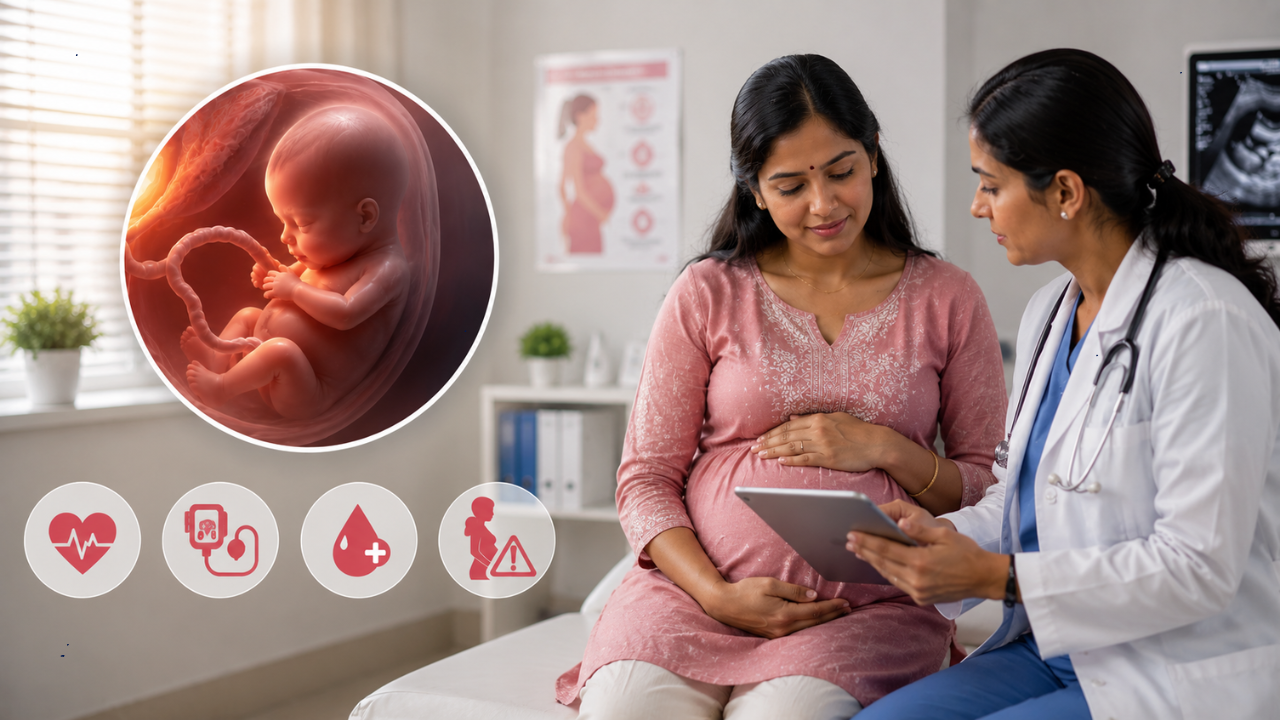
Maternity wards across large Indian cities are witnessing a troubling shift. Doctors note that while having a baby is a happy time, the medical challenges are mounting. Families usually step into a clinic expecting a smooth and joyous nine months. Yet, the medical realities behind the scenes are getting tougher. Just look at the numbers from the National Family Health Survey-5. Practically half of all pregnancies, 49.4% to be exact, now carry some degree of medical risk. Things look even bleaker in the cities. A recent 2026 study from Mumbai’s urban pockets found that 56.5% of expecting mothers fell right into the high-risk bracket. Better hospitals are everywhere in cities, sure. The reality is that city life brings intense daily stress, and this directly impacts maternal health.A pregnancy is classified as high risk when medical complications threaten the mother or the baby. Doctors in busy urban setups are treating far more lifestyle diseases now. Blood pressure issues, high blood sugar during pregnancy, thyroid problems, and weight gain are extremely common. Add to this the fact that many couples now delay parenthood. Older maternal age naturally invites more complications. Regular check-ups also expose a lot of cases with low haemoglobin levels, along with complications from previous C-section surgeries.Spotting Red FlagsIdentifying danger signs early saves lives. Obstetricians constantly drill one rule into the minds of families: never ignore the red flags. If a patient notices any vaginal bleeding or pain, they must go to the casualty ward immediately.Pre-eclampsia remains a major threat. This happens when blood pressure spikes dangerously. Symptoms of the situation include severe head pain, blurred eyesight, and sudden swelling on the face or hands. Other major red flags are a decrease in fetal movement, continuous vomiting, high temperature, or breathing difficulty. Families must not wait for the next scheduled clinic visit. They must call a 108 or 102 ambulance right away.Timely medical tracking changes the entire outcome. Regular antenatal check-ups help doctors intercept problems long before an emergency room is needed. The government has put serious weight behind this effort. India’s Declining Maternal Mortality Ratio Through the Pradhan Mantri Surakshit Matritva Abhiyan (PMSMA), doctors have screened upwards of 6.19 crore pregnant women. They use a very practical system. A glance at a medical file tells the story. A Red sticker means high risk and demands strict monitoring, while a Green one means low risk. They do not just stop at birth, either. The extended e-PMSMA initiative keeps tabs on new mothers for a full 45 days postpartum to block any late-stage complications.There is a definite silver lining here. India’s maternal mortality ratio has dropped significantly. It currently sits at 88 deaths for every 100,000 live births, driven heavily by the push for hospital deliveries with trained medical staff.The core advice from the medical community remains clear-cut. Get the pregnancy registered as early as possible. Do not skip doctor visits. Four is the absolute minimum, though eight is much better. Expectant mothers must eat well to keep iron levels up and always stay alert for danger signs. A high-risk label sounds scary, but it really just means the medical team and the family need to sync up a bit more closely to ensure a safe, healthy baby.