
- Health Conditions A-Z
- Health & Wellness
- Nutrition
- Fitness
- Health News
- Ayurveda
- Videos
- Medicine A-Z
- Parenting
What Is Denmark's 'Cry It Out' Method Of Putting Babies to Sleep?
Credits: iStock
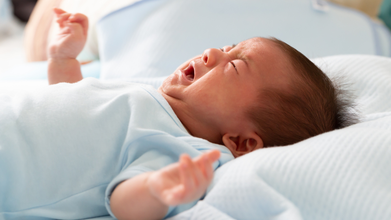
Sleep training is a key to a good night's rest. This is especially true for the parents who are still new with handling their babies. One such method of sleep training, famous in Denmark is called the 'cry it out' method.
However, this method has been long in debates, Especially with one side saying that allowing babies to bawl does no harm, whereas, other sets of research and studies suggest that it impacts babies' emotional quotient. In fact, research suggest that leaving the babies to cry could have knock-on effects including damaging the bond between parent and child and raising the infant's stress levels.
Also Read: UK Tobacco and Vapes Bill: Smoking Ban for Anyone Born After 2008 Becomes Law
However, recently, 723 Danish psychologists signed an open letter stating that cry it out sleep method, known as the "good night and sleep well" method in Denmark should be discouraged, as such methods may risk the attachment and child's development.
What Exactly Is The 'Cry It Out' Method?
This is also known as the extinction method, where rather than answering your little one's crying call as soon as it goes out, you give them the opportunity to independently work it out and nod off. This method is not intended to be cruel, it is meant to be used as an intentional tool to teach your baby self-soothing techniques that will stick with them for life.
Some also call it same as going cold turkey on your child. Parenting experts say that you put your baby in their crib, say goodnight and shut the door.
A study led by researchers from the University of Warwick and published in the Journal of Child Psychology and Psychiatry, followed 178 babies and their mothers in the UK from birth to 18 months. Mothers regularly filled out questionnaires explaining how often they let their baby “cry it out” shortly after birth, and again at three, six, and 18 months.
Researchers also observed mother-infant interactions through video recordings at three and 18 months. At 18 months, they assessed children’s behavior and attachment using parent questionnaires, psychologist reports, and observations of play.
Also Read: Melanie Watson, Disability Advocate And Diff'rent Strokes Actress, Dies At 57
The results showed that most mothers rarely let newborns cry. However, by 18 months, around two-thirds allowed their child to cry sometimes or often. Importantly, babies who were occasionally allowed to cry as newborns tended to cry for shorter periods by 18 months.
No Clear Evidence of Harm
The team found no negative effects on the child’s emotional attachment, behaviour, or the mother’s sensitivity by 18 months. Based on these findings, researchers concluded that the practice does not appear to cause harm.
Professor Dieter Wolke, a co-author of the study, said parents may have worried unnecessarily about the issue. He suggested that debates around crying may have been exaggerated.
The Ones Against The Cry It Out Method
Not everyone agrees that the findings settle the debate. Professor Amy Brown from Swansea University, who was not involved in the research, warned that the results should be interpreted carefully. She noted that very few mothers in the study regularly used the “cry it out” approach, and the study did not examine how long babies were left to cry or how distressing parents found the experience.
She also emphasized that the research does not prove controlled crying is beneficial, nor does it address the emotional toll it can take on caregivers.
The Developing Infant Brain
Some researchers highlight concerns about stress in early life. A baby’s brain grows rapidly in the first year, and intense distress triggers the release of cortisol, a stress hormone. In high levels, cortisol may harm developing neural connections. While the effects may not be immediate, some experts question whether repeated distress could have long-term consequences.
Stress, Self-Regulation, and Trust
Infants rely on caregivers to learn how to regulate emotions. When caregivers respond quickly and consistently, babies learn calmness and trust. Comforting a distressed baby helps build the foundation for self-soothing later in life.
Critics argue that leaving babies to cry may teach them to shut down emotionally rather than truly self-regulate. Over time, this could affect how children respond to stress and relationships.
The Role of Caregiver Responsiveness
Decades of developmental research show that caregiver responsiveness plays a crucial role in positive outcomes such as emotional regulation, social skills, empathy, and even intelligence. When caregivers are sensitive to a baby’s signals, it supports healthy brain and emotional development.
Also Read: Tamiflu Isn't The Only Flu Medicine, Expert Shares Other Alternative
Because responsiveness is so influential, experts stress that any parenting approach should prioritize attentiveness to a child’s needs. While occasional crying may not be harmful, consistent care and emotional availability remain central to healthy development.
Childhood Obesity Starts Before The Weighing Scale: How Sleep, Screens & Daily Routines Shape A Child’s Weight
Credit: AI
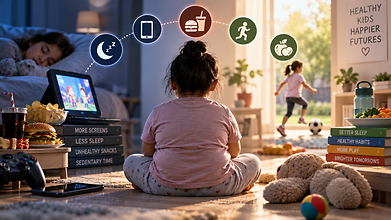
Childhood weight gain is often noticed only when a child steps on a weighing scale. But the factors influencing a child’s weight can begin much earlier, hidden in everyday habits such as sleep, screen time, meals and physical activity. With busy family schedules and increasing screen use, healthy routines can sometimes take a back seat.
Supporting healthy habits from an early age is more useful than focusing only on a child’s weight or appearance. At the same time, regular growth monitoring helps pediatricians identify children who may need additional support. Not every child who looks chubby has obesity, and children’s body shapes naturally change as they grow.
Sleep and weight
Sleep is an important part of a child’s growth and development. Children who do not get enough sleep may experience changes in appetite, mood and energy levels. A tired child may also be less interested in physical activity and more likely to spend time sitting or snacking.
A consistent bedtime routine can therefore be an important part of maintaining healthy habits. Keeping screens away before bedtime, maintaining regular sleeping hours and creating a calm sleep environment can help children develop better sleep patterns.
Also read: After Lindsay Clancy Trial, Massachusetts Pushes Stronger Postpartum Mental Health Screening
The screen-time connection
Screens have become part of children’s everyday lives, whether for schoolwork, entertainment or communication. However, excessive recreational screen time can reduce the time children spend running, playing and being physically active.
Screens can also encourage mindless eating. Children watching television or playing games may snack without paying attention to hunger or fullness. Sugary drinks, packaged snacks and frequent eating in front of screens can gradually become habits.
Parents can begin with simple changes, such as keeping meals and snacks screen-free and encouraging children to take regular breaks from sitting.
Also read: 22-Year-Old Frozen Embryo Produced A Healthy Baby: Does An Embryo Have An Expiry Date?
Daily routines matter
Healthy weight management in childhood is not about strict dieting. It is about creating a balanced routine. Regular meals, nutritious snacks, adequate sleep and daily movement can help children develop healthy habits without making them feel that food or their body is a problem.
Children should be encouraged to eat a variety of foods, including vegetables, fruits, whole grains, pulses, dairy or suitable alternatives, eggs and other sources of protein. Simple, home-cooked family meals can form the foundation of a healthy diet. Highly processed foods and sugary drinks do not need to disappear completely, but they should not become everyday staples.
Physical activity should also feel like play rather than punishment. Cycling, dancing, outdoor games, swimming, walking or simply playing with friends can help children stay active while having fun.
Parents do not need to change everything overnight. Small, consistent steps can make a difference. Set predictable meal and sleep timings, create screen-free family meals, encourage outdoor play and avoid using food as a reward or punishment.
Most importantly, avoid making children feel ashamed about their weight. Focus on health, strength, energy and healthy habits rather than appearance.
Better sleep, healthy screen habits, nutritious food and regular movement can help children build a healthier relationship with their bodies and food. When parents create healthy routines for the whole family, children are more likely to adopt them naturally and carry those habits into adulthood.
After Lindsay Clancy Trial, Massachusetts Pushes Stronger Postpartum Mental Health Screening
Credit: X
Massachusetts is moving to strengthen postpartum mental-health care after the controversial trial of Lindsay Clancy increased focus on gaps in treating serious mental-health conditions during and after pregnancy.
Governor Maura Healey has proposed $2 million to expand voluntary nurse home visits to families with newborns, along with $250,000 to strengthen a state program that helps healthcare providers identify and treat mental-health and substance-abuse problems during pregnancy and after birth.
The state's Department of Public Health will also update regulations governing perinatal mental-health screening to identify a broader range of conditions, including mood and anxiety disorders and postpartum psychosis.
Massachusetts Expands Postpartum Mental Health Screening
The current Massachusetts law already requires postpartum depression or major depressive disorder screening for eligible postnatal individuals receiving care from primary-care providers, obstetricians, midwives and pediatricians.
But mental health problems after pregnancy can extend beyond depression.
The state's updated approach is expected to give healthcare providers more opportunities to ask about a patient's mental health during and after pregnancy, including during visits with an obstetrician, primary-care doctor or pediatrician.
Healey said, “Becoming a mother is a profound life change, and every parent deserves support — not just during pregnancy, but in the months that follow.”
She added, “Postpartum depression, anxiety and other maternal mental health conditions are real medical conditions, and no mother should feel ashamed to ask for help or feel like she has to navigate this journey alone.”
The changes are particularly relevant because there is currently no validated screening tool specifically for postpartum psychosis. Massachusetts health guidance says diagnosis depends on a healthcare provider assessing the person's symptoms.
Also read: The Postpartum Nutrition Gap: Why New Mothers Often Neglect Their Own Health After Delivery
More About The New Programme
The proposed $2 million investment would expand the state's Welcome Family programme so that all families with newborns can be offered a voluntary nurse home visit.
Massachusetts has around 68,000 births a year, while the programme currently reaches about 3,000 families annually. During a visit, a nurse can assess the health of the mother and baby, answer questions about feeding and sleep, and connect families with additional support.
The state also plans to invest $250,000 in the Massachusetts Child Psychiatry Access Program for Moms, which supports healthcare providers treating maternal mental health and substance-use conditions.
The additional funding could also help track postpartum psychosis data and improve education for healthcare professionals, mothers and families about warning signs.
Early Detection Is Key
Perinatal mental-health conditions can affect people during pregnancy and after childbirth. Depression and anxiety are more common, while postpartum psychosis is rare but requires urgent medical attention.
Massachusetts' move aims to ensure that mental-health concerns are not identified only during a dedicated postpartum visit, but also when new parents interact with other parts of the healthcare system.
The measures follow the trial of Lindsay Clancy, whose attorneys argued that she experienced postpartum psychosis when she killed her three children in 2023. Prosecutors disputed the defence's argument, and the jury ultimately failed to reach a unanimous verdict, resulting in a mistrial.
Healey said the bigger goal is to make conversations about maternal mental health more routine. She said, “To every mom who has struggled with her mental health before, during or after pregnancy, I want you to know we see you — I see you.”
22-Year-Old Frozen Embryo Produced A Healthy Baby: Does An Embryo Have An Expiry Date?
Credit: AI
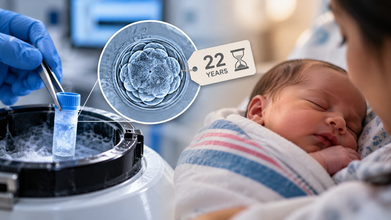
A 54-year-old woman in Greece recently gave birth to a healthy baby girl using an embryo that had been frozen for more than two decades. The case has marked a milestone in IVF, raising an intriguiging question: does a frozen embryo eventually have an expiry date?
Cristina Rapti-Tzelepi and her husband, Constantinos Raptis, welcomed their daughter Georgia in Athens on September 9.
The embryo was originally cryopreserved in March 2004 and was transferred in December 2025. The baby weighed 3.49 kg at birth.
The couple decided to use one of their remaining embryos after their 21-year-old son, Giorgos, died in a road accident in October 2025. Their son had also been born following IVF using an embryo from the same original treatment.
The case is remarkable as the embryo remained frozen for more than two decades. But scientifically, that does not mean the embryo continued ageing for 22 years.
Does A Frozen Embryo Actually Age?
A frozen embryo does not age in the way a an actual human person does. During cryopreservation, embryos are stored at extremely low temperatures, generally around -196°C in liquid nitrogen. At this temperature, biological processes that drive cellular ageing effectively stop.
The key is maintaining stable cryostorage conditions. The American Society for Reproductive Medicine says cryopreserved embryos must be maintained under stringent conditions, with IVF laboratories monitoring liquid-nitrogen levels and storage systems.
So, an embryo frozen in 2004 does not biologically become a 22-year-old embryo. Its chronological storage time increases, but its cells are preserved in the state they were in when frozen.
Long Storage Of Embryo & Healthy Pregnancy
A recent systematic review and meta-analysis published in Human Reproduction Open examined 23 studies involving more than 250,000 embryo-transfer cycles.
Researchers found that embryos stored for longer than five years appeared slightly less likely to survive thawing, with some reductions in pregnancy and live-birth rates.
However, the outcomes stopped worsening after around two years of storage, with no further deterioration as storage continued for much longer periods.
Longer storage was also not associated with increased risks of premature birth, high birth weight, or birth defects.
Earlier research has similarly found no dose-response relationship between the duration of embryo cryostorage and pregnancy outcomes.
Also read: Explained: What Is Posthumous Reproduction?
Does An Embryo Have An Expiry Date?
Scientifically, there is no established biological expiry date for a properly cryopreserved embryo. The bigger concerns are the quality of the embryo before freezing, the freezing and thawing technique, laboratory conditions, and whether the embryo survives thawing.
There are also factors like biological limits and legal limits that affect IVF. In Greece, women currently have a legal age limit of 54 for completing IVF procedures.
Rapti-Tzelepi had only a limited window in which to obtain approval and undergo treatment. Her case is therefore not proof that every embryo can remain viable indefinitely. But it provides another striking example of how modern cryopreservation can preserve reproductive potential for decades.
- Follow Us :


© $2026 Times Horizon Private Limited