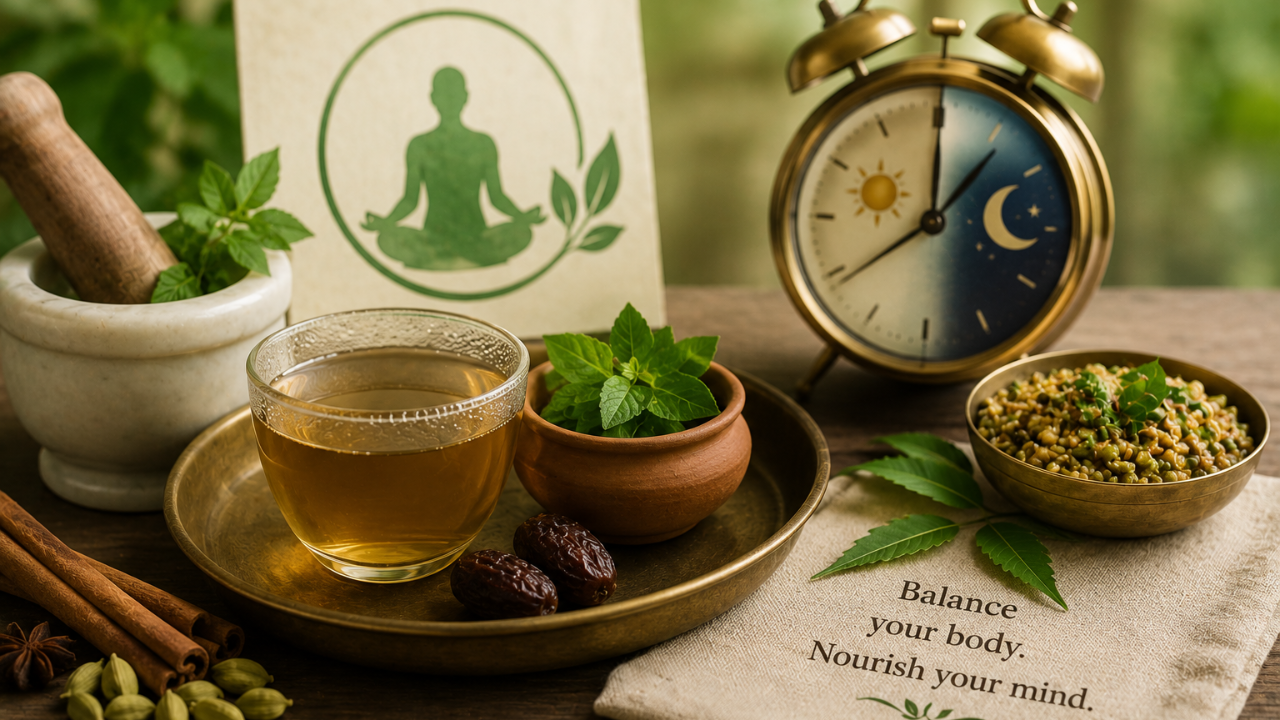
Fasting the "gut reset” is the cornerstone of health. It serves many purposes in this world: some fast for political reasons, some for spiritual wisdom, but very few do it for health. Ayurveda, "The Science of Life," aims to preserve the health of the healthy (Swasthasya Swasthya Rakshanam) and treat the imbalance of the diseased (Aturasya Vikara Prashamanam), fasting serves both goals. When practiced by a healthy individual following Ayurvedic principles, it maintains health; when followed by a diseased individual, it restores it. Upavasa means a state of abstinence from food, but Ayurveda regards it, at its core, as a science of digestion and metabolism, both governed by Agni (Digestive fire), one of the cornerstones of health. According to Ayurevda most diseases are said to begin with weak Agni, and periodic fasting is one of the best ways to sustain Agni and ultimately Health.How Ayurveda Personalises Fasting For Each PersonUnlike modern fasting, which focuses only on calorie restriction and time windows, Ayurveda personalizes fasting to the individual accounting for Prakriti (constitution of body), Bala (Physical and Psychological strength), Agni (digestive capacity), Desha (habitat), Kala (season, time of day, stage of disease), Vyadhi (disease state if any), Occupation, and Avastha (physiological state like age, pregnancy, lactation, menstruation etc…). A Kapha dominant person thrives on longer fasts because of slow digestion and metabolism; a Pitta constitution needs a gentler, well-hydrated approach because of sharp digestion (Tikshna agni); Vata types are the most fragile fasters and do better with short time fasting. Sluggish Agni benefits from the rest, which is provided by fasting, while sharp or irregular Agni needs caution. Season and timing matter too late winter into spring suits fasting best, while autumn does not; Conditions of excess (indigestion, obesity) respond well, while conditions of depletion (anaemia, emaciation) do not.Also read: Ageing Healthy With AyurvedaWhy Ayurveda Favours Gentle Fasting Over Prolonged DeprivationOn prolonged or absolute fasting, Ayurveda favours gentler, sustainable approaches. A common method is the one meal a day a single light, easily digestible food such as khichdi, fruit, buttermilk, milk (anyone or which is compatible) instead of a full range of dishes which reduces digestive capacity. The traditional Ekadashi fast, observed on the eleventh lunar day, aligns rest for the gut with natural cycles. For example, for Vata-dominant or weaker individuals, fasts using fruits, warm water, herbal teas, or ghee-infused broths are preferred over complete food abstinence.When Agni is allowed to rest, the body redirects its energy toward removing Ama, the toxic residue of undigested food that Ayurveda considers the root of most illness. This is believed to improve metabolism, mental clarity, support healthy weight, and strengthen immunity. Fasting is also considered a discipline for the mind, cultivating focus alongside physical benefit.Ayurveda never treats fasting as prolonged deprivation. Breaking a fast mindfully matters as much as the fast itself starting with something warm and light, like soup or fruit, rather than heavy or fried food. Warm fluids are preferred over cold water, which can destroy Agni further, and raw, processed, ultra processed etc… foods should be avoided immediately before and after fasting. Reintroducing easily digestible proteins and healthy fats, such as moong dal or ghee, etc… helps replenish the body gently.Also read: Ayush Ministry, IndiaAI Join Hands To Boost AI-Driven Innovation In Traditional MedicineWho Should Avoid Fasting? Fasting suits healthy adults with Bala and Agni. Ayurveda is equally clear on who should avoid it: pregnant and lactating women, menstruating women, growing children, the elderly, and those recovering from chronic or acute illnesses or surgery, in these cases, nourishment is important over restriction, regardless of prakriti. For these groups, a easily digestible diet (Laghu Ahara) is advised instead.Ultimately, fasting in Ayurveda isn't about willpower, it's about working with the body's digestive capacity, not against it. Practiced mindfully and matched to one's constitution, it remains a powerful tool for resetting digestion and sustaining wellbeing.