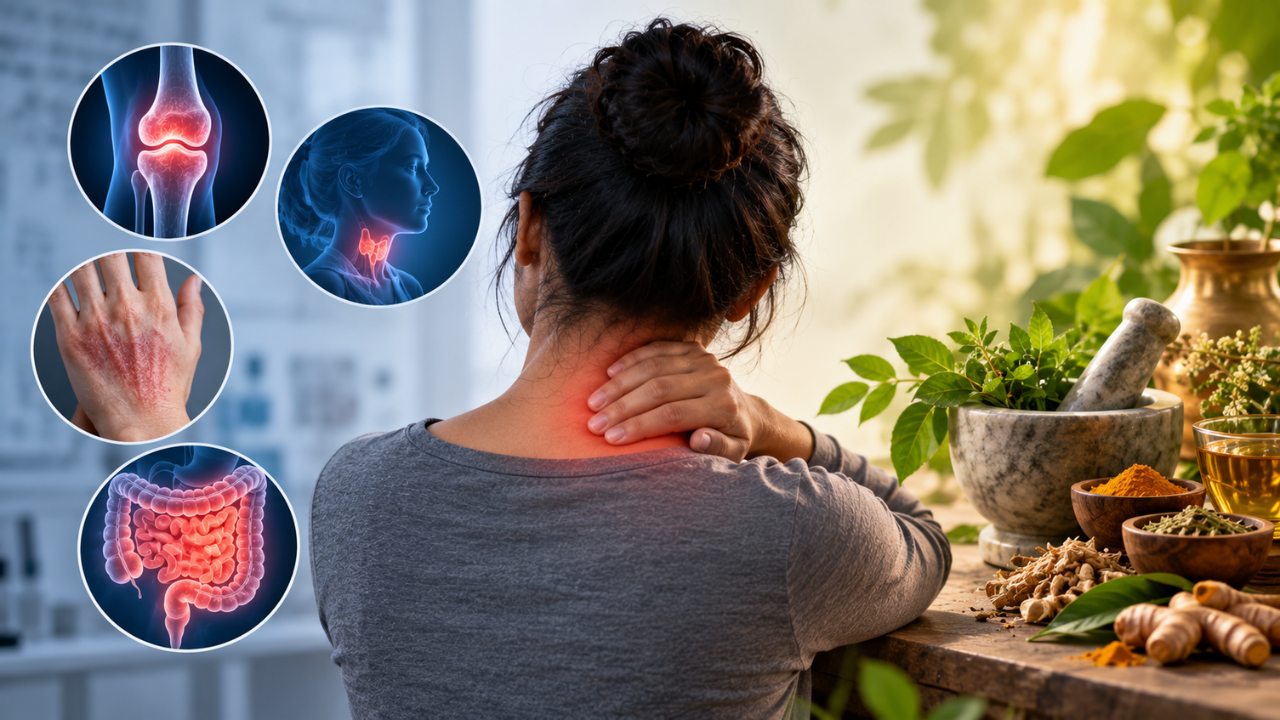
Autoimmune disorders occur when the immune system mistakenly attacks the body's own tissues. Conditions such as rheumatoid arthritis, lupus and autoimmune thyroid disorders can have a significant impact on everyday life. Rheumatoid arthritis alone affects millions globally, with women accounting for about 70% of those living with the condition, according to the World Health Organization (WHO). The causes of autoimmune disorders are complex and can involve genetic, environmental and lifestyle-related factors. While not all these factors are within our control, the way we eat, sleep, manage stress and structure our daily lives can influence overall health and wellbeing. This is where Ayurveda offers a valuable perspective—not simply by looking at the disease, but by looking at the individual as a whole. Ahara: Moving beyond “healthy” food In Ayurveda, Ahara, or food, is considered one of the fundamental supports of life. The approach goes beyond simply counting calories or meeting daily protein targets. It considers what we eat, when we eat, how we eat and whether the food is appropriate for an individual's constitution, season and digestive capacity. This perspective is particularly relevant today, when ultra-processed foods have become increasingly common. Rather than following restrictive diets based on trends, Ayurveda encourages mindful and individualised food choices. Classical Ayurvedic principles such as Ashta Ahara Vidhi Visheshayatana provide guidance on the manner, timing and suitability of food. The objective is not to label individual foods as universally “good” or “bad”, but to understand what supports the individual's health and digestion.Also read: Fasting and Ayurveda: Balancing Tradition, Digestion and Nutrition Vihara: Restoring rhythm to everyday life Ayurveda's understanding of health extends beyond food. Sleep, daily routine, physical activity and mental wellbeing are equally important. Ayurveda describes Ahara, Nidra (sleep) and Brahmacharya as the Trayopastambha, or three supporting pillars of life. Maintaining adequate and regular sleep, therefore, is not merely about feeling rested; it is part of maintaining a balanced routine. Dinacharya and Ritucharya further encourage individuals to align aspects of their daily lives with regular rhythms and seasonal changes. Simple practices such as maintaining consistent sleep and wake times, eating mindfully, staying physically active according to one's capacity and creating time for relaxation can make healthy living more sustainable.Also read: Ageing Healthy With Ayurveda Panchakarma: An individualised approach Ayurveda also includes Panchakarma, a set of therapeutic procedures traditionally used within an individualised Ayurvedic treatment framework. The Ministry of AYUSH describes Panchakarma as comprising five therapeutic procedures of purification. Importantly, Panchakarma should not be viewed as a generic “detox” programme or something that is suitable for everyone. In Ayurveda, its application depends on the individual's constitution, health status and clinical assessment, and should be undertaken under the supervision of a qualified practitioner. The mind-body connection Ayurveda also recognises the influence of the mind, or manas, on overall wellbeing. Persistent stress, irregular routines and inadequate rest can affect how we experience health and resilience. Supporting mental wellbeing through appropriate rest, yoga, breathing practices, mindfulness and healthy routines can therefore form an important part of a holistic approach. Ultimately, Ayurveda's contribution to the conversation around autoimmune health lies in its emphasis on the individual and their everyday habits. Ahara, Nidra, Dinacharya, Ritucharya and, where appropriate, Panchakarma represent a broader approach to health that focuses on personalised and sustainable practices. For people living with chronic health conditions, such an approach can complement comprehensive healthcare while encouraging a more conscious relationship with food, routine, rest and wellbeing.Disclaimer: This article is for informational purposes only and is not a substitute for professional medical advice.By Dr Punith P, Assistant Professor, Department of Manasaroga Evum Manovijnana, SDM College of Ayurveda Hospital & Research Centre, Udupi