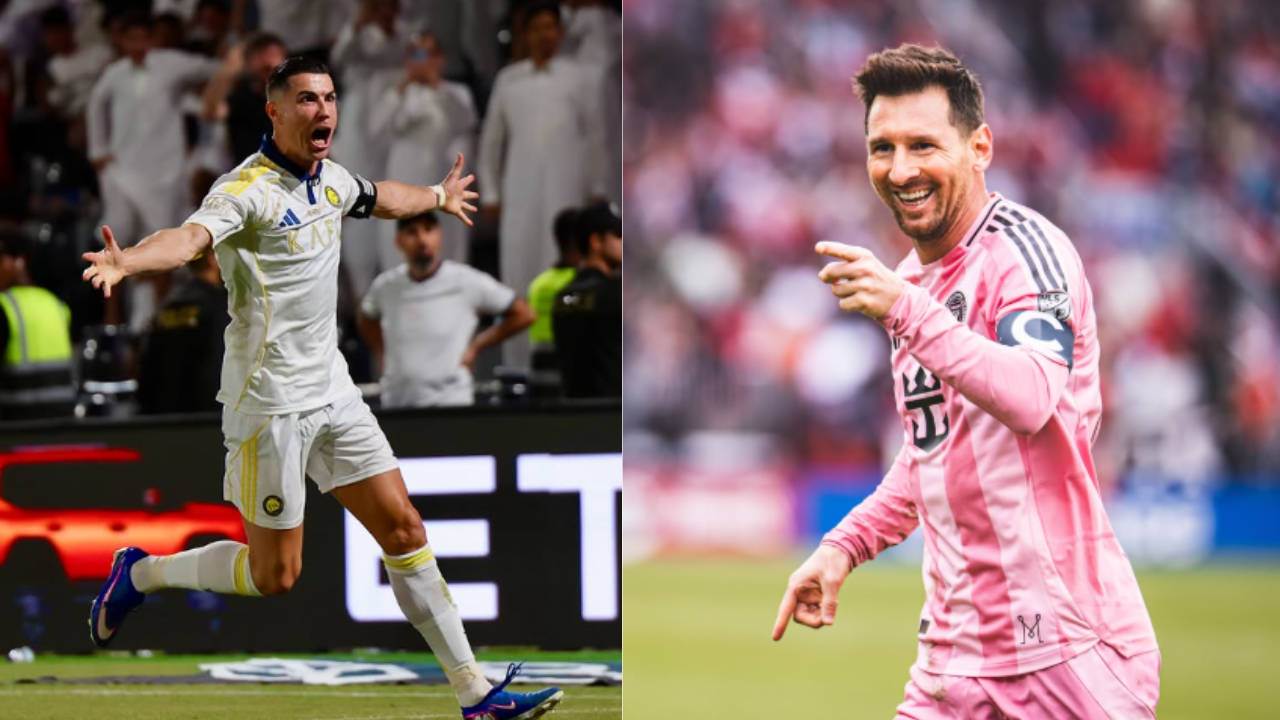
The FIFA World Cup 2026 has reignited debate about the longevity of two of football's greatest icons — Lionel Messi and Cristiano Ronaldo. Both are well beyond the age at which most footballers begin to decline, yet they continue to compete at the highest level of the sport.Portugal superstar Cristiano Ronaldo is 41, while Argentina legend Lionel Messi will turn 39 later this month. Both will be playing in their sixth FIFA World Cup this year. In an era when 30 was once considered the beginning of a player's twilight years, Messi and Ronaldo have helped redefine expectations, making it seem as though 40 is the new 30.So what is the secret behind their remarkable longevity?Experts point to a combination of disciplined nutrition, rigorous recovery routines, high-quality sleep, injury prevention strategies, genes, and years of consistent training that have helped slow biological aging and preserve elite athletic performance.Speaking to HealthandMe, Dr. Prateek Kumar Gupta, Consultant Orthopaedics and Sports Surgeon at Sir Ganga Ram Hospital, New Delhi, said exercise may be key to their longevity and agility.“The exercise can condition and improve the cardiovascular system and musculoskeletal readiness, which optimizes body fitness and can reduce time-related decay in the system and may delay age-related changes to a certain extent,” Dr. Gupta said.“After the age of 35, strict discipline for target-based training, routine exercise programs, good nutrition, and complete focus on the game are a few things that athletes do to maintain their peak performance,” he added.Ronaldo's Biological Age Shocked Even HimAlso read: Congo Ebola Cases Rise to 676; FIFA World Cup Team Arrives in US After QuarantineThe 41-year-old Portuguese forward is renowned for his meticulous fitness regime and attention to detail in both physical and mental preparation.In 2025, fitness technology company WHOOP conducted physiological assessments and estimated Ronaldo's biological age at 28.9 years — more than a decade younger than his actual age.While chronological age is determined by a person's birth date, biological age reflects the condition and performance of various systems in the body.Upon learning of the result, Ronaldo expressed disbelief.“I can't believe it's so good. 28.9,” he said, adding that he could continue playing professional football for another decade.Ronaldo and Messi are not alone among older footballers competing at the highest level. Mexico goalkeeper Guillermo Ochoa, 40, is set to appear at a record sixth men's World Cup. Other players over 40 include Croatia's Luka Modrić, Germany's Manuel Neuer, and Bosnia and Herzegovina's Edin Džeko.How Messi and Ronaldo Are Slowing Biological AgingRead More: Ronaldo, Messi & Mbappé’s Health Guardian: The Doctor Protecting World Cup 2026 StarsDr. Yacov Grossman, Deputy Chief Physiotherapist at Meuhedet, one of Israel's public healthcare maintenance organizations, outlined several factors that help explain the longevity of elite athletes such as Messi and Ronaldo.Fighting Age-Related Muscle Loss: Muscle strength naturally declines after the age of 30. To counter this, Messi and Ronaldo prioritize strength and resistance training, which is essential for maintaining muscle function with age.Maintaining Aerobic Fitness: While the body's ability to use oxygen and sustain peak cardiovascular performance gradually decreases after 30, Messi and Ronaldo preserve endurance with regular interval training.Prioritizing Recovery: Rather than training harder, both stars focus on sleep, nutrition, recovery therapies, and carefully managed workloads to stay fit and avoid injuries.Smart Energy Management: Experience has helped Messi and Ronaldo adapt their game. Instead of constantly running, they conserve energy and choose key moments to accelerate, allowing them to remain highly effective despite their age.