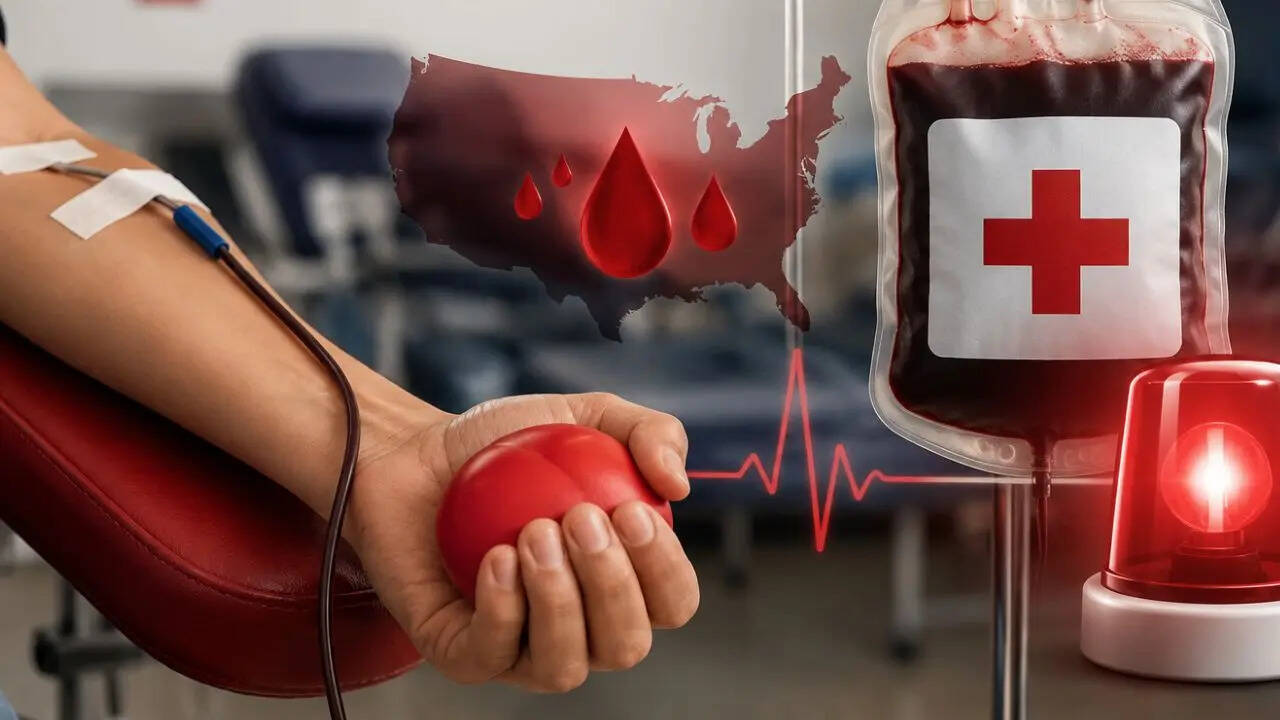
The American Red Cross has declared a national blood supply crisis for only the second time in its history, warning that blood donations have dropped to a four-year summer low while demand from hospitals continues to rise. The organization says the shortage has reached a point where patient care could be affected if donations do not increase immediately. According to the Red Cross, the crisis is being driven by a combination of fewer blood donations during the summer months and higher demand for blood products, particularly during the peak trauma season. Type O Blood Supply At Critical Levels One of the biggest concerns is the shortage of type O positive blood, the most commonly transfused blood type in the United States. The American Red Cross said it currently has less than a one-day national supply of O-positive blood. They have limited distributions to individual hospitals to ensure the blood type is available for the most life-threatening emergencies. Supplies of O-negative blood, the universal blood type used in trauma situations when there is no time to determine a patient's blood group, are also not sufficient. The Red Cross noted that many blood collection organizations across the country are reporting similar challenges this year.Also read: US Billionaire Undergoes Total Plasma Exchange: Know What It Is Why Summer Is Especially Challenging Summer has always been one of the most difficult seasons for maintaining a stable blood supply. Schools and colleges, which frequently host blood drives, are closed, while vacations and holiday travel often disrupt regular donation schedules. At the same time, hospitals continue to require blood due to surgeries, cancer treatments, childbirth complications, chronic illnesses, and trauma patients. The Red Cross said these seasonal challenges have intensified this year, resulting in the lowest level of summer donations seen in four years. In its announcement, the American Red Cross said, "The American Red Cross has declared only the second national blood supply crisis in its history after blood donations fell to a four-year summer low, deepening an emergency shortage that threatens the availability of lifesaving blood for patients across the country." The organization also emphasized the urgency of public participation, stating, "Just three more donors at each blood drive this summer can end this crisis and stabilize the blood supply." Encouraging immediate action, the Red Cross added, "Don't wait. Those who may be eligible are urged to book an appointment now."Also read: Women Are Three Times More Likely Than Men To Develop Anemia Impact Of Blood Supply Shortage The Red Cross warned that some patients are already experiencing delays in receiving blood transfusions as supplies become increasingly strained. By prioritizing blood distribution to the most urgent cases, hospitals may face difficult decisions about how limited supplies are allocated. Healthcare providers rely on a steady stream of donations because blood has a limited shelf life. Red blood cells can generally be stored for about six weeks, while platelets last only a few days, making continuous donations essential for maintaining adequate supplies. The American Red Cross has urged all eligible donors, regardless of blood type, to schedule a blood donation as soon as possible. Officials believe that even a slight increase in donations at blood drives across the country could quickly stabilize blood inventory.