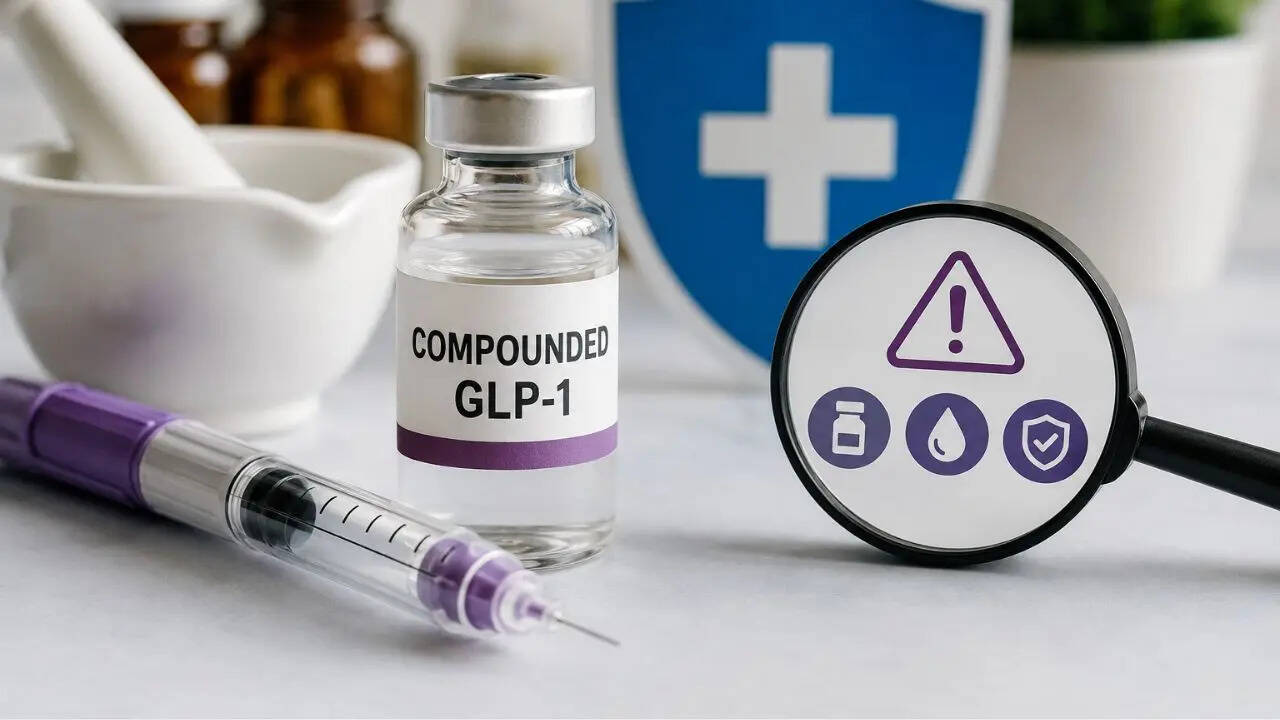
The rise of GLP-1 medications such as Ozempic (semaglutide), Wegovy, Mounjaro, and Zepbound (tirzepatide) has transformed obesity and diabetes treatment. However, soaring demand and earlier drug shortages also fueled the rapid growth of compounded GLP-1 drugs, which are now under increasing scrutiny from regulators and medical experts. Over the past few months, the U.S. Food and Drug Administration (FDA) has intensified its crackdown on compounded GLP-1 products, warning that patients could face quality, dosing, and safety concerns if they obtain these medications from unlawful sources. What Are Compounded GLP-1 Drugs? A compounded drug is a medication that is custom-made by a licensed compounding pharmacy to meet an individual patient's specific medical needs. For example, removing an allergen, changing the dosage, or preparing a formulation that is not commercially available. Compounded medications are generally intended for patients with a legitimate medical need that cannot be met by an approved product. The FDA said, "Compounded drugs are not FDA-approved, which means the agency does not review them for safety, effectiveness or quality before they are marketed."Also read: People Are Microdosing GLP-1 Weight Loss Drugs; What Do Experts Have To Say About It? Why Have Compounded GLP-1 Drugs Become Popular? Demand for GLP-1 medications for weight loss skyrocketed worldwide between 2022 and 2025, leading to shortages of semaglutide and tirzepatide. During these shortages, compounding pharmacies were legally allowed under specific circumstances to prepare several versions of these medications. Many patients turned to compounded GLP-1s because they were often affordable, available, and easier to buy online.Also read: Can GLP-1 Drugs Like Ozempic, Mounjaro Cause Hair Loss? Study Says It's Rare But Real FDA Is Tightening Scrutiny FDA's efforts to restrict this practice include widespread compounding of semaglutide, tirzepatide, and liraglutide. The agency has proposed excluding these drugs from the list of bulk substances used for large-scale compounding because FDA-approved alternatives are now available. It has also issued warning letters to companies producing compounded GLP-1 products outside permitted circumstances.Also read: Novo Nordisk Sues Eli Lilly Over Weight-Loss Drug Ads: Should GLP-1 Users Be Concerned? Recent Research Raises New Concerns A new University of Colorado Anschutz Medical Campus secret shopper study published in July 2026 found that the compounded GLP-1 market remains active even after shortages have been curbed. Researchers reported that many online pharmacies were still selling compounded semaglutide or tirzepatide, with some products originating from pharmacies lacking compounding licenses. Potential Risks of Compounded GLP-1 Drugs Inaccurate Dosing Small differences in concentration may result in patients receiving too much or too little medication. Sterility Concerns Injectable medicines must be manufactured under strict sterile conditions. Improper preparation increases the risk of contamination. Different Ingredients Some compounded products have reportedly used semaglutide salts or added vitamins and other substances that are not present in FDA-approved versions. The FDA has previously stated that certain semaglutide salt forms have not been demonstrated to be safe or effective. Limited Safety Data Because compounded products are not FDA-approved, they have not undergone the rigorous clinical trials evaluating effectiveness, manufacturing consistency, and long-term safety. Counterfeit or Unregulated Products Experts warn that some websites advertise compounded GLP-1 medications that may not come from legitimate pharmacies at all.