
- Health Conditions A-Z
- Health & Wellness
- Nutrition
- Fitness
- Health News
- Ayurveda
- Videos
- Medicine A-Z
- Parenting
Still Sore From Your Last Workout? When To Push Through And When To Rest

Credits: iStock
If you’ve ever struggled to climb stairs the morning after leg day or winced while raising your arms after a tough upper-body session, you’ve experienced delayed onset muscle soreness (DOMS). This soreness usually shows up 12–24 hours after a workout, peaking within two to three days. It’s the result of microscopic tears—known as microtears—in the muscle fibers. As your body repairs those small damages, inflammation occurs and causes the aching or stiffness.
Interestingly, soreness most frequently happens when you resume training after being off for a while, experiment with a new motion, or raise the intensity of your workouts. Your muscles get used to it over time, and soreness lessens.
Does Muscle Soreness Mean You're Getting Stronger?
Soreness is mistakenly linked to progress by many individuals due to the widespread "no pain, no gain" slogan. But muscle soreness is an unreliable indicator of fitness gains. What it really indicates is that your body has been faced with something new or more challenging. For example, an everyday runner is not likely to be sore after their normal mileage, but their cardiovascular fitness remains on the rise. Similarly, a weightlifter can gradually develop strength in their muscles without feeling the same amount of soreness that they felt when they were starting out.
Soreness doesn't equate to success. Your consistency, progressive training, and recovery dictate results.
Should You Work Out When You’re Still Sore?
Exercising with low-level soreness is typically okay, but it can have some impact on performance. Studies indicate DOMS temporarily decreases strength, balance, and even coordination. That is, you may not lift as much, run as quickly, or play as accurately if you persevere. For those with goals related to performance—be it running a faster 5K or excelling in a sport—it's worth considering the potential impact of soreness on outcomes.
But mild soreness isn't an excuse to altogether avoid training. Gentle activity, like a walk, yoga, or light swim, can actually enhance blood flow, which facilitates nutrients getting to your muscles and supports recovery. Avoid pushing through acutely painful, severe swelling, or long-term soreness lasting over a week—those are signs of an injury.
Do Rest Days Really Matter for Fitness?
There is widespread thinking that you have to alternate workout days with rest days in order to notice improvement. But a study examining the comparisons between training on consecutive days versus non-consecutive days revealed little disparity in long-term strength or endurance gains. That is to say, the body can adapt no matter whether you train back-to-back or with rest days in between.
All that being said, rest days may still be of use. They enable your body to recharge energy levels, provide muscles with additional time to recover, and, crucially, maintain motivation in the long term. For most individuals, incorporating rest days or reduced training sessions avoids burnout as well as the risk of overuse injuries.
Recovery Tools for Better Relief
When soreness persists, a lot of individuals resort to recovery hacks. Some are more effective than others:
- Fluids are important. Water supports the transportation of nutrients and the removal of waste products associated with inflammation.
- Foam rolling or massaging tools (self-myofascial release) can enhance blood flow in affected areas and decrease stiffness, though effects are small.
- Diet is important. Consuming protein- and carbohydrate-balanced meals within 30–60 minutes post-exercise aids in muscle repair and energy restoration.
- Sleep is not negotiable. Quality sleep is when most of the body's repair work happens. Cutting corners with sleep slows the recovery and builds up fatigue.
- Active recovery—such as a light bike ride, restorative yoga, or stretching workouts—is able to decrease discomfort by keeping the blood flowing.
- Other approaches, such as ice baths or compression clothing, have mixed outcomes in studies. Although they might offer temporary relief, they're not necessary for recovery unless you find them individually beneficial.
When Can Muscle Soreness be Something More?
It's worth noting when soreness is to be expected and when it may be covering an injury. If you experience intense soreness that persists beyond seven days, jabbing pain in a specific area, bruising that can be seen, or swelling, you should see a doctor. These may be signs of muscle strain, tear, or another cause.
Also, pushing through pain can do more harm than good. Unlike DOMS, which improves with time and light movement, injury-related pain typically worsens with activity.
We hear all the time that inflammation is bad, but in exercise, some inflammation is necessary. It's what tells your body to repair and rebuild muscle tissue more robust than ever before. Chronic inflammation, which is associated with disease, is bad. But the temporary inflammation produced by training is what makes training work. The trick is to give your body sufficient recovery so this process can finish.
Do Warm-Ups or Stretching Prevent Soreness?
Interestingly, static stretching prior to exercising does not avoid soreness and can even decrease strength for the short term. Dynamic warm-ups, however—exercises that simulate your workout, like lunges, arm circles, or jogging in place—can prep your muscles and possibly minimize soreness thereafter. However, this alleviation is small. The true advantage of a warm-up is actually preventing injuries and improving performance, not avoiding soreness.
Post-exercise soreness is normal to physical stress, and usually, it's nothing to worry about. The solution is found in balance: stressing your body sufficiently to force it to change, but allowing it enough time and resources to heal. If soreness is slight, light exercise can actually accelerate healing. If soreness is extreme, then rest and proper attention are your best friends.
Ultimately, the mantra shouldn’t be “no pain, no gain” but rather “train smart, recover smarter.” By paying attention to the signals your body sends, you’ll not only reduce your risk of injury but also set yourself up for consistent, sustainable progress
How to Build a Marathon-Ready Body Like a Pro Athlete, Runners Reveal

As marathon season commences across India, many runners have begun to warm up to set and beat their personal records. However, many also wonder: What does it take to get ready for a marathon?
According to Sanjana Rao, a Mumbai-based nutritionist who recently participated in the Tata Mumbai Marathon 2026, the first step to training well is to focus on efficiency.
Rao exclusively told Healthandme: "Running a marathon is not just about clocking miles, it’s about teaching the body to sustain effort efficiently. Having run the Tata Mumbai Marathon twice and worked with distance runners as a nutritionist, I have observed that endurance improves when training focuses on efficiency rather than exhaustion.
"Running volume should increase gradually, with one long run each week to build aerobic capacity. Easy runs form the foundation, while tempo runs and controlled speed sessions help runners sustain faster paces without early fatigue. Consistency matters more than intensity, especially for new runners."
"Endurance is not built by doing more, but by doing the right things consistently. When training and fueling align, runners feel lighter, stronger and better prepared for race day."
Which Exercises Can Help You Build A Marathon-Ready Body?
Cherry Aggarwal, a clinical nutritionist at Sir Ganga Ram Hospital tells Healthandme: "Runners should include structured and compound lower-body strength training exercises such as squats, lunges, step-ups, hip thrusts, and calf raises to improve muscular endurance, joint stability, and running efficiency.
"Single-leg exercises are particularly important as they help correct imbalances and reduce the risk of overuse injuries common in long-distance running. Building strong marathon legs goes beyond just clocking mileage, requiring a combination of smart strength training, progressive running, and targeted nutrition."
And Rao agrees, citing that strength training that focuses on improving full-body movement and power, rather than increasing muscle size should be prioritized while getting ready for a marathon.
She told the publication: "Strength training is often misunderstood in endurance preparation. Many runners rely heavily on heavy back squats and leg presses. While effective for general strength, these lifts can promote quad and adductor hypertrophy, making the legs feel bulky and reducing running economy.
"For marathon runners, strength work should support movement quality and power transfer, not muscle size."
Talking about how long runners should be working out, Rao revealed: "Most runners benefit from at least one complete rest day each week, with 24–48 hours between hard or long runs. In the final week before race day, reducing training volume allows muscles to repair, glycogen stores to replenish and the nervous system to reset."
What Should You Eat To Build Running Stamina?
Both Rao and Aggarwal note that eating well is as important as building strength in the gym. Without proper fuel and hydration, the body as well as the mind begin to experience fatigue and disarray which paves the way for serious injuries mid-run.Rao explained: "A less known yet crucial factor for new runners is gut training. Many runners experience fatigue or discomfort during long runs not because their legs fail, but because the digestive system struggles to absorb fuel while in motion. Like muscles, the gut adapts with repeated exposure.
"Practicing carbohydrate intake during long training runs through sports drinks, bananas or gels helps the intestine improve glucose absorption under stress, which improves sustained energy output. Hydration and electrolytes are critical in India’s hot and humid conditions to prevent cramps and premature fatigue.
Talking about the exact foods you should be eating, Aggarwal said: "From a nutrition standpoint, adequate carbohydrate intake is essential to maintain glycogen stores for long runs as it is the primary fuel, while sufficient protein supports muscle repair and recovery. Iron-rich foods play a crucial role in oxygen transport and endurance capacity, especially for regular runners.
"Foods like whole grains, bananas, potatoes, lentils, lean meats or paneer, nuts, seeds, and leafy greens play a key role. Including healthy fats like omega-3s can help manage inflammation from repetitive impact, while calcium and vitamin D support bone health.
"Hydration and electrolytes are often overlooked but are critical for muscle contraction and preventing cramps. Consistent training, nutritional recovery and sleep together determines how well the marathon legs perform on race day.”
What Could The Cracking Of Your Joints And Knuckles Mean?
Credits: Canva
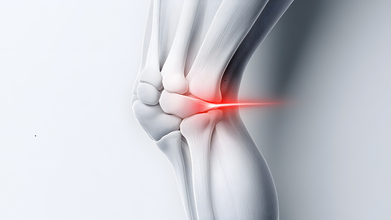
If your knees crack when you stand up or your back lets out a dramatic pop during a morning stretch, you’re definitely not alone. These sounds, medically known as crepitus, are incredibly common. For most people, they are harmless and simply part of how the body moves. Still, those noises can be unsettling, especially when they happen often. So what’s really going on inside your joints, and how do you know when it’s time to pay attention?
Joints are where two bones meet, allowing movement and flexibility. As they move, it’s normal for them to make sounds. Most of the time, these noises are nothing to worry about. But in some cases, they can signal wear and tear or an underlying issue that deserves a closer look.
What Causes Joints to Crack and Pop?
There isn’t just one reason joints make noise. Several everyday processes inside the body can create pops, clicks, or cracks.
Gas bubbles in joint fluid
One of the most common causes is gas escaping from synovial fluid, the liquid that lubricates your joints. This fluid contains gases like oxygen and carbon dioxide. When you move suddenly, tiny gas bubbles can form and collapse, creating a popping sound. This is completely normal and does not damage the joint.
Tendons and ligaments shifting
Tendons and ligaments help stabilize joints. Sometimes, they slide over a bone and snap back into place during movement. This can cause clicking or popping, especially in the knees, shoulders, and ankles. It’s often noticed during exercise or when you change positions quickly.
Cartilage wear over time
Cartilage cushions the ends of bones and prevents friction. With age, overuse, or repetitive strain, cartilage can thin out. When that happens, joint surfaces may rub more than usual, leading to grinding or grating sounds. This can be an early sign of osteoarthritis, especially if discomfort is also present.
Tight muscles and limited flexibility
After long periods of sitting or intense workouts, muscles and tendons can tighten. As they move over bones, they may create soft snapping or clicking sounds. This is common in people with sedentary routines or those who repeat the same movements daily.
When Should Joint Noises Raise Concern?
Most cracking and popping is harmless, but certain signs suggest it’s time to be cautious.
Pain, swelling, or warmth around a joint may point to inflammation, ligament injury, or arthritis. A sudden loud crack followed by pain or instability could indicate a tear, particularly in the knee. If popping is paired with stiffness or locking, it may be related to meniscus problems or other structural issues. Joint noises that begin after an injury, such as a fall or sports impact, should always be evaluated.
Does Cracking Joints Cause Arthritis?
Despite what many people were told growing up, cracking your knuckles does not cause arthritis. Research has found no direct link between joint cracking and arthritis development. While excessive cracking might cause mild swelling or temporary discomfort, it does not damage the joints or lead to arthritis.
How to Reduce Joint Popping?
If joint noises bother you, small lifestyle changes can help. Regular movement keeps joints flexible and well-lubricated. Stretching tight muscles and strengthening the muscles around joints can reduce strain. Maintaining a healthy weight lowers pressure on knees and hips. Proper warm-ups, hydration, and a nutrient-rich diet also support joint health.
When To See A Doctor?
Joint sounds alone are usually harmless. But if they come with pain, swelling, stiffness, or reduced movement, it’s wise to consult a healthcare professional. Early evaluation can prevent further damage and help you stay mobile and comfortable in the long run.
7 Standing Exercises To Build A Stronger Core, Better Balance And Control
(Credit-Canva)
When it comes to building a strong core, most of us think about exercises like crunches, or sit ups. But there is a lot more to core strength than that. One of the main aspects of core strength is stability and balance. While the floor exercises are helpful, they strain your neck muscles, so what can one do?
You can build a powerful, stable midsection entirely on your feet. Standing core workouts are often more "functional" than traditional crunches because they mimic how your body actually moves in daily life, twisting, carrying, and resisting gravity.
7 Standing Exercises For Strong Core
These are some exercises you can try. They will not only help you build strong core muscles but also build your coordination and balance.
Standing Bicycle Crunches
This move is a fantastic way to wake up your entire abdominal wall. By bringing your opposite knee and elbow together in front of your body, you force your obliques to rotate and your front abs to crunch while standing. It also challenges your brain and balance as you switch from leg to leg. Focus on bringing the knee high rather than just pulling your neck down.
High-Intensity High Knees
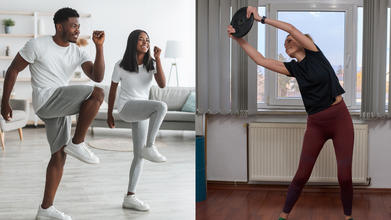
This move brings a cardio element to your core training. By quickly driving your knees toward your chest, you engage the lower abdominals and hip flexors. It requires a lot of energy and keeps your heart rate high while forcing your abs to stabilize your upright torso. If the jumping is too much, you can perform it as a slow, powerful march instead.
Standing Dumbbell Side Crunch
Think of this as a side-bend with a purpose. By holding a weight in one hand and leaning toward it, you stretch the opposite side of your waist. The real work happens when you use those side muscles to pull your body back to a perfectly straight, upright position. It is one of the best ways to build lateral strength and define the sides of your torso.
Cable or Band Wood Chop
The wood chop mimics the diagonal motion of swinging an axe, which is a powerful, functional movement. It trains your core to handle rotational force, which is essential for sports like golf or tennis. As you pull the weight across your body, keep your hips stable and let your midsection drive the motion. This builds a core that is both strong and incredibly mobile.
Offset Marching
Holding a weight in one hand while marching forces your body to stabilize against an uneven load. Every time you lift a knee, your core has to fire to prevent you from wobbling or tipping toward the weighted side. This exercise is excellent for improving balance and strengthening the deep "hidden" muscles of the belly that keep your hips and lower back healthy.
The Pallof Press
This is an "anti-rotation" exercise, meaning the goal is to resist movement rather than create it. As you press a cable or band away from your chest, the tension tries to pull you sideways. Your core must stay tight to keep your hands centered. It is a subtle but intense burner that builds incredible stability in the deep abdominal layers and the obliques.
Heavy Suitcase Carry
This exercise is as simple as it is effective. By carrying a heavy weight on just one side, your core must work constantly to keep you from leaning over. This "anti-leaning" action recruits the deep muscles that protect your spine and improve your posture. Imagine there is a string pulling the top of your head toward the ceiling as you take steady, controlled steps.
- Follow Us :


© 2024 Bennett, Coleman & Company Limited