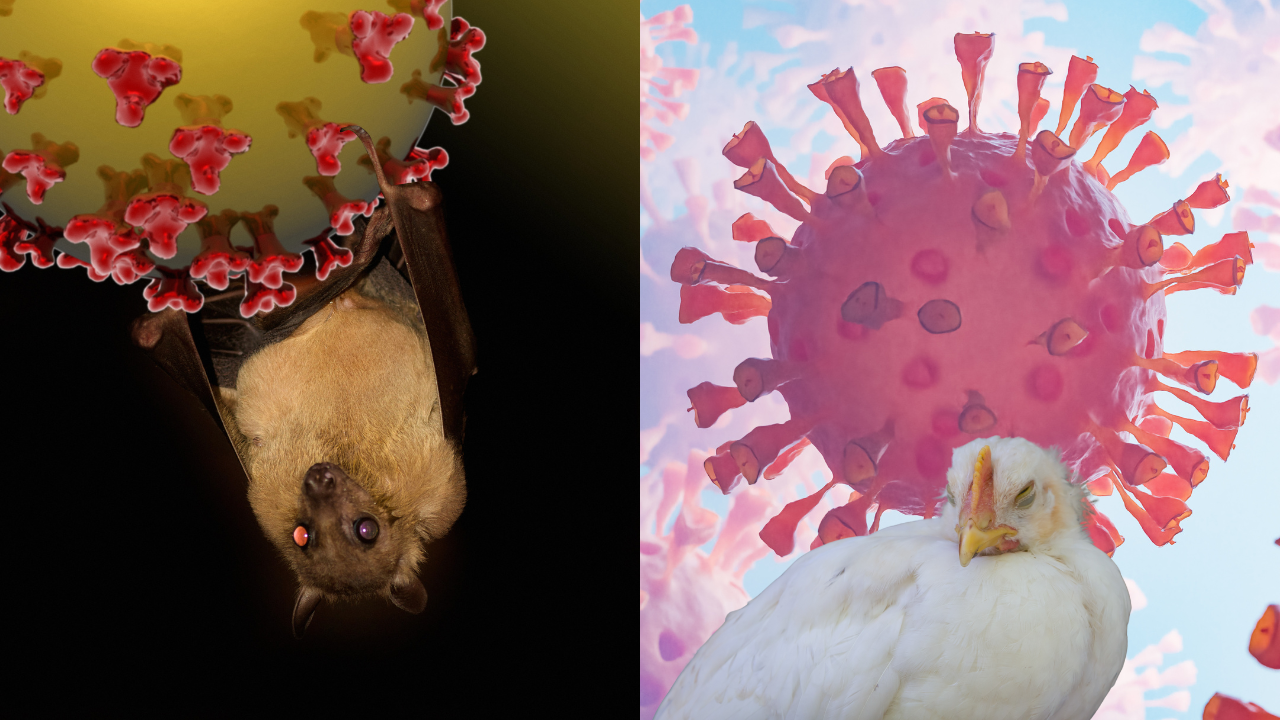
As India steps into 2026, two familiar yet unsettling names have returned to the public health conversation. Nipah virus cases reported from West Bengal and fresh bird flu detections among crows in Bihar have raised questions about how dangerous these infections really are for humans. While both diseases originate in animals and can cross over to people, their risks, spread patterns and fatality levels are very different.Two zoonotic threats, very different risksNipah virus and avian influenza are both zoonotic, meaning they jump from animals to humans. Beyond that similarity, the comparison largely ends. Nipah is rare but extremely lethal when it infects humans. Bird flu, on the other hand, spreads widely among birds and poultry, but only occasionally infects people.Health experts note that understanding this distinction is crucial. Nipah alarms public health systems because even a small cluster of cases can lead to severe illness and death. Bird flu triggers large scale surveillance mainly due to its impact on poultry and the economy, with human cases remaining uncommon.Read: Bird Flu In India: How Safe Is It To Eat Chicken And Eggs?Nipah virus and why it worries health officialsThe Nipah virus was first identified in Malaysia in the late 1990s and has since caused multiple outbreaks in South and Southeast Asia. Fruit bats are its natural carriers, and humans can get infected through contaminated food, contact with infected animals or close contact with an infected person.Symptoms often begin like a common viral illness, with fever, headache and cough. In many patients, the disease progresses rapidly. Within days, some develop encephalitis, seizures, confusion and coma. Respiratory distress is also common in severe cases.According to the World Health Organization, Nipah’s fatality rate ranges between 40 and 75 percent, depending on the outbreak and access to timely medical care. There is no approved vaccine or specific antiviral treatment. Doctors rely on intensive supportive care, which makes early detection and isolation critical.In January 2026, West Bengal reported multiple Nipah cases, prompting contact tracing and monitoring of nearly 200 people. Most tested negative, and the WHO assessed the risk of wider spread as low. Still, the high death rate keeps Nipah firmly on India’s list of priority pathogens.Bird flu and its limited human impactBird flu, or avian influenza, is caused by influenza A viruses that primarily infect birds. Strains such as H5N1 and H9N2 have been detected repeatedly in India among poultry and wild birds. Bihar’s Darbhanga district recently reported thousands of bird deaths, triggering containment measures.Humans usually get infected through close contact with sick or dead birds or contaminated environments. When infection does occur, symptoms can resemble seasonal flu at first, but severe cases may progress to pneumonia or acute respiratory distress.Some bird flu strains have shown high fatality rates among confirmed human cases, sometimes close to 50 percent. However, experts stress that these numbers come from very small case counts. Sustained human to human transmission remains rare, which limits large outbreaks in people.Read: Nipah Virus Outbreak In India: Myanmar Airport Tightens Health ScreeningsWhich virus is deadlier for humans?In terms of individual risk, Nipah virus is considered deadlier for humans. Its consistently high fatality rate, lack of treatment options and potential to cause severe brain inflammation make it especially dangerous, even when case numbers are low.Bird flu poses a broader threat to animal health and livelihoods, but its direct impact on human life has so far been limited. Public health officials continue to monitor both closely, knowing that vigilance, early reporting and strong surveillance are the best tools to prevent either virus from spiralling into a larger crisis.