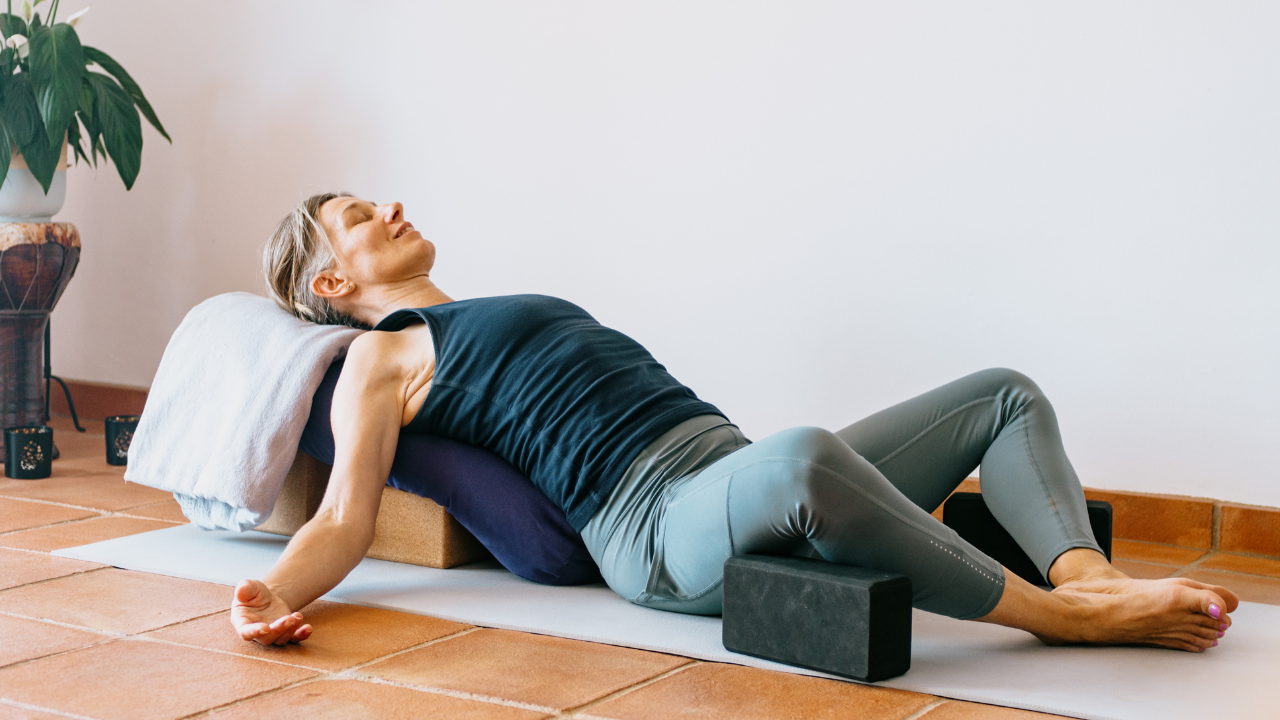
Yoga has many poses, sometimes called asanas, with 84 main ones and millions of variations. Whether you're new to yoga or have practiced for years, the most important thing isn't to do every pose perfectly. Instead, it's about moving your body in ways that feel good and don't cause injury. As a beginner you must learn how to make yoga poses easier for you, this can actually make your practice much stronger overall. What "Modifying" a Yoga Pose Means Yoga is an ancient practice, and the pictures you often see show the most advanced versions of poses. Some of these can be very hard and take years to achieve. When you modify a yoga pose, you're simply adjusting it to fit your own skill level. Sometimes, when people hear "modification," they might feel like they can't do a pose. But if you understand why you're doing a pose, you can choose an option that feels comfortable for your body. How to Know When to Modify a Pose The Cleveland Clinic explains that the first sign you need to change a yoga pose is pain. If you get into a pose and it feels a little uncomfortable or tight because you're stretching, that's okay. However, if something hurts, you need to stop. Don't try to push through pain. If it hurts, you should adjust the pose right away. Yoga Stretching Tips for Beginners Let's go back to those uncomfortable feelings. When you're stretching, remember that it takes time for your muscles to relax and lengthen. Your breathing is a huge part of this process. If you push too far too quickly, your muscles will tighten up, which is the opposite of what you want. It takes about eight seconds for your muscles to even understand what you're trying to do. When stretching, start very gently and slowly go deeper. Also, focus on your breath. When you breathe out, that's the part where your body releases and relaxes. So, focus on exhaling as you try to stretch a little bit further. Here are some poses and how can you modify them. Downward-Facing Dog This pose stretches your whole body, forming an upside-down "V." Push into your hands and feet, lifting hips high. For comfort, bend your knees if hamstrings are tight, or place blocks under your hands for wrist support. You can also widen your feet for more stability and a gentler stretch. Warrior II Warrior II is a strong standing pose building leg and core strength while opening hips. Stand with one foot forward, knee bent over ankle, other foot turned out, arms stretched sideways. To modify, shorten your stance, avoid bending your front knee too deeply, or place hands on hips to ease shoulder strain, maintaining balance. Seated Forward Fold This relaxing pose stretches your hamstrings, spine, and shoulders. Sit with legs extended, then gently fold from hips, reaching towards feet or shins. If hamstrings are tight, bend your knees a lot. Use a strap around your feet or sit on a folded blanket to help you hinge comfortably. Tree Pose Tree pose requires balance. Stand on one leg, placing the other foot on your inner thigh or shin (avoiding the knee). For support, use a chair nearby to hold onto until you feel steady. You can also start by keeping your toes on the floor, with your heel just above your ankle, before lifting your foot higher. Pigeon Pose Pigeon pose can be intense for tight hips. One leg bends in front, the other stretches behind. To modify, place a blanket under your hips for support. You can also adjust your leg position into a "zigzag" shape by bringing the back knee forward, which still provides a good hip stretch comfortably. Using Blocks for Balancing Poses (like Triangle or Half Moon) For poses that involve bending sideways toward the floor, such as Triangle Pose and Half Moon, yoga blocks are very useful. Place a block under your hand instead of trying to reach the floor. This provides essential support, helps maintain proper body alignment, and ensures you get the correct stretch without straining.