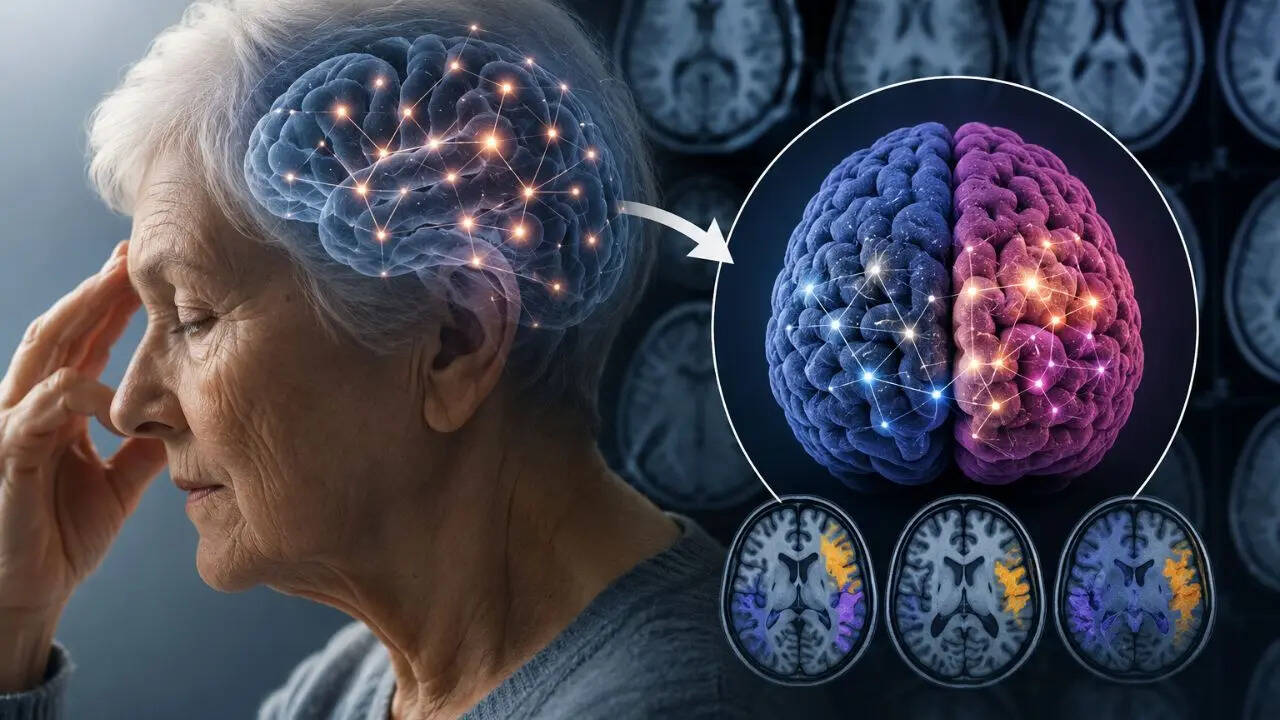
A recent massive study analysed more than 10,000 brain MRI scans and delivered fresh insights into why memory worsens as people age. The study suggested that age-related memory decline is not caused by damage to a single brain region, as previously believed, but by widespread structural changes across the brain. Researchers examined 10,343 MRI brain scans alongside 13,460 memory assessments from 3,737 cognitively healthy adults across 13 long-running international studies. The findings, published in Nature Communications, are based on one of the largest investigations of healthy brain aging to date. Age-Related Memory Loss Involves More Than Hippocampus For decades, scientists have focused on the hippocampus, a brain region essential for learning and memory, and one of the earliest brain areas affected by Alzheimer's disease. However, the new study found that although the hippocampus remains the strongest factor to consider memory decline, it is far from being the only region involved. Researchers discovered that shrinking brain tissue in multiple interconnected regions, including areas linked to the hippocampus and several parts of the temporal lobe, collectively contributes to declining memory with age. Brain Shrinkage Occurs Over Decades Also read: Your Country May Influence Your Dementia Risk More Than You Think, Study SuggestsThe researchers found that the link between brain shrinkage and memory loss becomes much stronger after the late 50s. Rather than following a steady, gradual path, memory decline appears to accelerate as structural changes accumulate across multiple brain regions. The study also showed that individuals with shrinkage affecting a greater number of brain regions experienced faster declines in memory, highlighting that brain aging varies considerably from person to person. Alzheimer's Risk Gene Isn't The Only Factor Also read: Healthy Lifestyle Changes Improve Memory, Thinking In Older Adults At Dementia Risk: The LancetThe team also evaluated the role of APOE ε4, the best-known genetic risk factor for Alzheimer's disease. While carriers of the gene generally showed faster brain volume loss and memory decline, researchers found that genetics alone could not explain the observed changes. Instead, widespread structural changes throughout the brain played a much larger role in determining memory performance. Senior author Dr. Alvaro Pascual-Leone, professor of neurology at Harvard Medical School and senior scientist at the Hinda and Arthur Marcus Institute for Aging Research at Hebrew SeniorLife, said, "By integrating data across dozens of research cohorts, we now have the most detailed picture yet of how structural changes in the brain unfold with age and how they relate to memory." He added, "These results suggest that memory decline in aging is not just about one region or one gene. It reflects a broad biological vulnerability in brain structure that accumulates over decades. Understanding this can help researchers identify individuals at risk early and develop more precise and personalized interventions that support cognitive health across the lifespan and prevent cognitive disability." The researchers say this could improve how scientists identify people at risk for future cognitive decline before symptoms become severe. Instead of monitoring only the hippocampus or focusing primarily on genetic risk, future screening and interventions may need to evaluate the health of multiple interconnected brain networks. Lifestyle Changes Can Help While there is no cure for neurodegenerative diseases like dementia and Alzheimer's, growing evidence suggests that healthy lifestyle changes can help improve brain health and preserve cognitive function in older adults at risk. A major study published in The Lancet suggests that adopting healthy lifestyle habits can significantly improve memory and thinking skills in older adults at risk of dementia. The study found that a culturally adapted, structured lifestyle program delivered across 11 Latin American countries produced meaningful improvements in cognitive function over two years. Participants in the intensive program showed 55 per cent greater improvement in overall cognition than those who received general health advice.