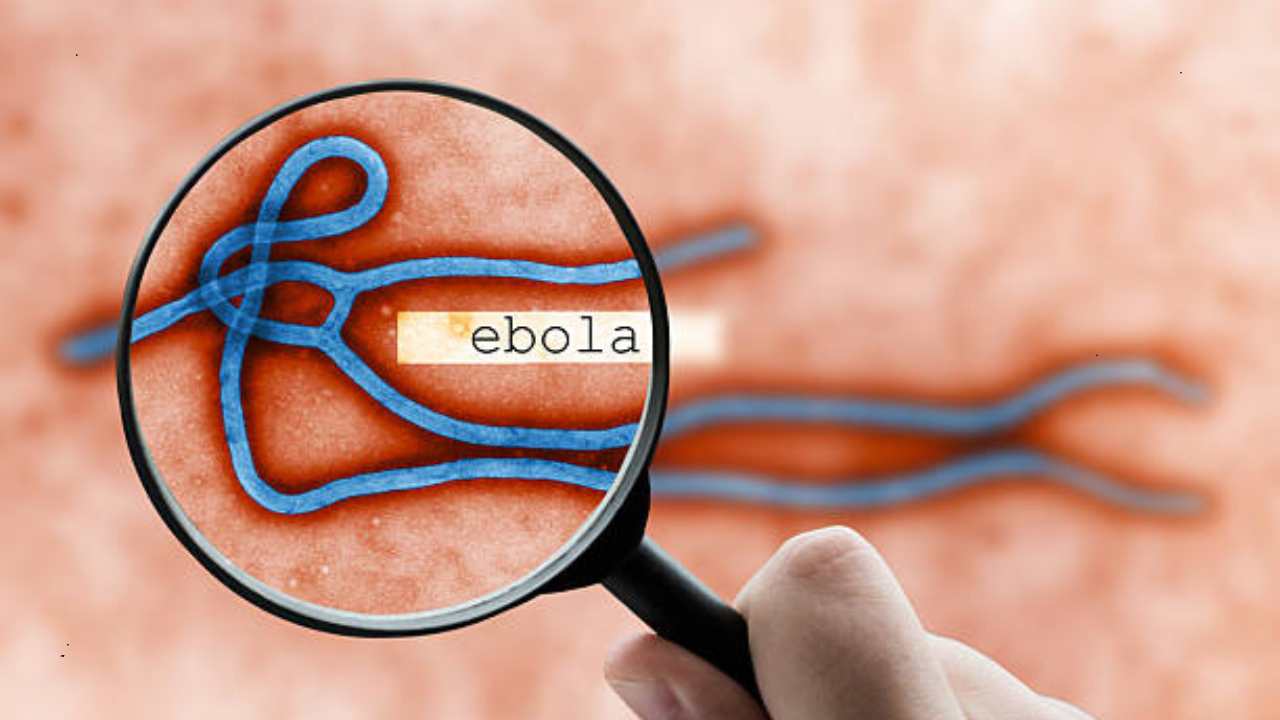
The Ebola outbreak continues to grow, with 2,344 confirmed cases and 930 deaths, according to the latest government update.In its July 18 situation update, the Ministry of Health said response efforts have been strengthened across the five affected provinces: Haut-Uélé, Ituri, Nord-Kivu, Sud-Kivu, and Tshopo.“To date, 2,344 confirmed cases have been recorded, including 724 patients in isolation or hospitalization, 466 people recovered, and 930 deaths,” the Ministry said.The case fatality rate stands at 39.7%, while the contact tracing rate has reached 85.8%. Ituri remains the epicentre of the outbreak and continues to intensify response efforts.Health teams are continuing surveillance, case management, and contact tracing to contain the spread of the disease.According to the ministry, surveillance and contact tracing systems remain fully mobilised, with 83 new confirmed cases reported nationwide. Case management has also improved, with 22 new recoveries recorded in the past 24 hours. Sud-Kivu and Tshopo remain stable, with no new affected health zones.Canada, US Tighten Border MeasuresCanada has temporarily denied entry to foreign nationals who have been in Congo within the previous 21 days as part of measures to reduce the risk of Ebola transmission."Limiting entry of foreign nationals who have been in (Congo) in the previous 21 days may reduce public health risks for Canadians," Canada's Public Health Agency said in a statement.However, the World Health Organization (WHO) advises against travel or trade restrictions during Ebola outbreaks, warning that such measures can increase stigma and hamper outbreak control. The global health agency also continues to assess the risk of international spread from the Congo outbreak as low.Last week, the United States also introduced measures requiring travellers who had been in Congo within the previous 21 days to enter the country only through designated airports. Seven American aid workers who had been working in Congo are currently quarantining in Kenya.Attacks on Health Workers Hampering ResponseAuthorities have recorded at least 12 attacks on health facilities and response teams since the outbreak began in mid-May, largely driven by misinformation and public skepticism. Many healthcare workers have also gone on strike over unpaid wages, AP News reported.At least 36 health workers have died after becoming infected with Ebola. The WHO has also warned that 80% of new Ebola cases are emerging from unknown chains of transmission, indicating that the outbreak is spreading faster than health officials can trace infections. Ebola Bundibugyo OutbreakEbola is a severe and often fatal viral hemorrhagic fever first identified in 1976. Since then, more than 30 outbreaks have been recorded, primarily in Central and West Africa.The Ebola outbreak, declared in eastern Congo on May 15, is the fastest-growing Ebola outbreak on record. The outbreak is caused by the Bundibugyo virus, a less common Ebola virus species for which there is no approved vaccine or treatment. The Bundibugyo virus spreads through direct contact with the blood or bodily fluids of a person infected with, or who has died from, the disease.It can also spread through contact with contaminated objects such as clothing, bedding, needles, and medical equipment, as well as through infected animals, including bats and non-human primates. Historically, Bundibugyo virus outbreaks have recorded fatality rates ranging from 25% to 50%.Symptoms To Watch ForSymptoms of Bundibugyo virus disease are similar to other forms of Ebola and include:FeverHeadacheMuscle painWeaknessDiarrheaVomitingStomach painUnexplained bleeding or bruising, usually in the later stages of illness.