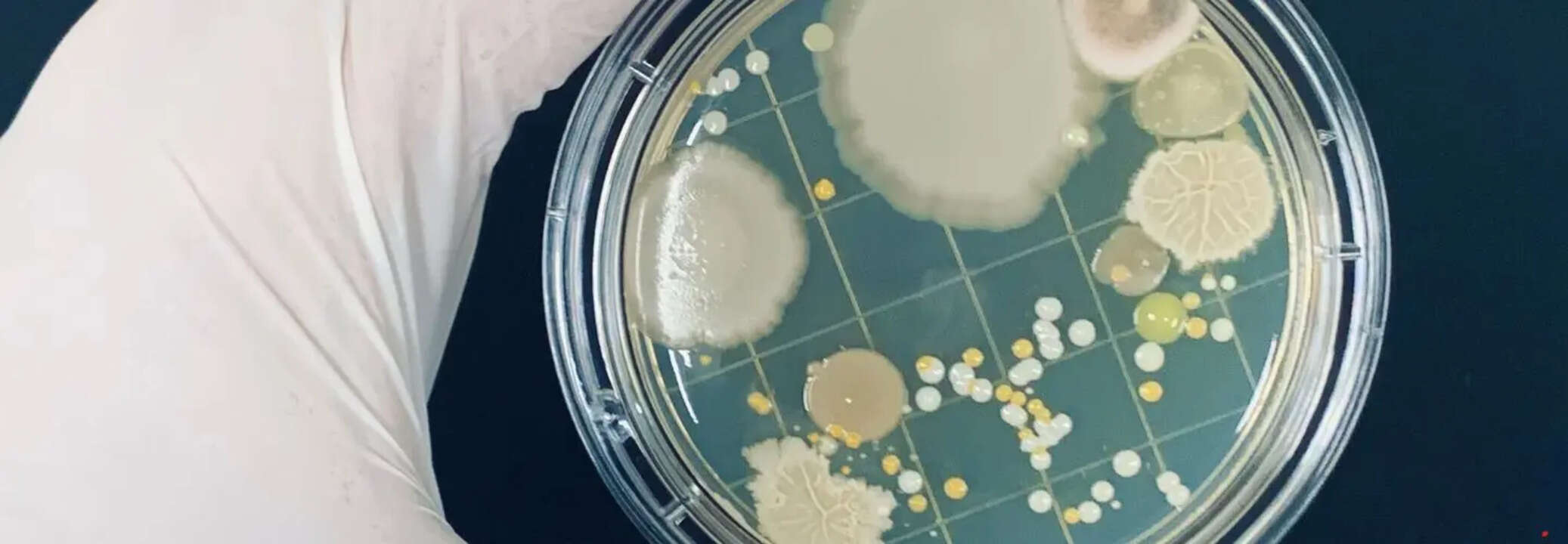
More than three million children around the world are thought to have died in 2022 as a result of infections that are resistant to antibiotics, new research has found. While these infections impact kids across the world, those in Africa and Southeast Asia are most at risk. Antimicrobial resistance (AMR) develops when the microbes that cause infections evolve so that antibiotic drugs no longer work. As per the World Health Organisation (WHO), it is "one of the top global public health and development threats."A new study now reveals the toll that AMR is taking on children. Using data from multiple sources, including the World Health Organization (WHO) and the World Bank, researchers calculated that there were more than three million child deaths in 2022 linked to drug-resistant infections. Experts say this new study highlights a more than tenfold increase in AMR-related infections in children in just three years. Experts opine that these numbers could have been made worse by the impact of the COVID pandemic.Antimicrobial resistance (AMR) threatens the effective prevention and treatment of an ever-increasing range of infections caused by bacteria, parasites, viruses and fungi.AMR occurs when bacteria, viruses, fungi and parasites change over time and no longer respond to medicines, making infections harder to treat and increasing the risk of disease spread, severe illness and death. As a result, the medicines become ineffective and infections persist in the body, increasing the risk of spread to others.Antimicrobials - including antibiotics, antivirals, antifungals and antiparasitics - are medicines used to prevent and treat infections in humans, animals and plants. Microorganisms that develop antimicrobial resistance are sometimes referred to as “superbugs”.As antibiotic resistance increases, even common infections could become difficult to treat. For example, some doctors have already reported patients needing hospitalization for simple urinary tract infections. This rise in resistance could lead to more complications in hospitals, longer stays, and higher medical costs.For their study, the researchers examined over 858,000 bacterial isolates collected between 2004 and 2021 from 83 countries, with more than 100,000 samples from children. The study was published in the journal SSRN. The study highlights significant geographic and temporal variations in pediatric AMR, underscoring the need for targeting several countries as compared to others.What Is AMR?Antibiotic resistance is a global health crisis, reducing the effectiveness of treatments for common infections. The 2022 GLASS report revealed alarming resistance rates: 42% for cephalosporin-resistant *E. coli* and 35% for methicillin-resistant *Staphylococcus aureus*. In 2020, 1 in 5 urinary tract infections caused by *E. coli* were resistant to standard antibiotics. Resistance in *Klebsiella pneumoniae* and rising use of last-resort drugs like carbapenems are further worsening the situation, with projections indicating a twofold increase in resistance by 2035.Drug resistance isn’t limited to bacteria. WHO is closely monitoring resistant fungal infections, notably *Candida auris*, which is difficult to treat and linked to high mortality. HIV drug resistance, often due to poor treatment adherence or drug interactions, compromises antiretroviral therapy. Similarly, multidrug-resistant tuberculosis (MDR-TB) remains a severe public health threat, with limited access to effective treatments. Only 40% of those needing treatment for drug-resistant TB received it in 2022.Malaria control is challenged by resistance to artemisinin-based therapies in Asia and Africa. Meanwhile, drug resistance in neglected tropical diseases (NTDs) like leprosy and leishmaniasis threatens global eradication efforts. Strengthened surveillance, stewardship, and development of second-line treatments are essential to curb this growing menace.