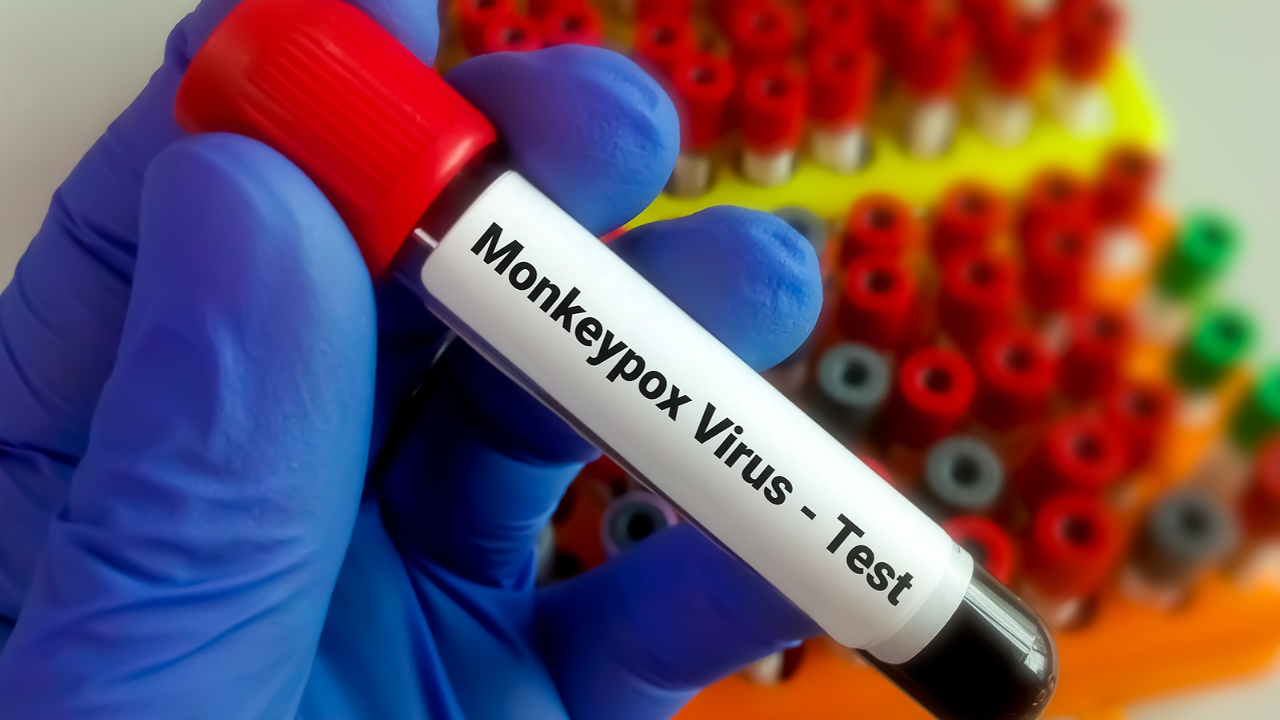
Public health officials in Stanislaus County, California, have reported four mpox cases. Two are confirmed as Clade I, while testing is underway for the other two.Three individuals had no recent international travel history, raising concerns about local transmission. The travel history of the fourth person is still being assessed.“Historically, Clade I mpox cases in the US were linked to international travel. However, since August 2026, more cases have been reported among people without recent international travel,” health officials said.The cases suggest possible community transmission. However, county officials say the risk to the general public remains low.“While we have identified four cases in our county, we want residents to know that the risk to the general public remains low,” Dr. Thea Papasozomenos, Stanislaus County Public Health officer, said.US Reports Sustained Clade I Mpox TransmissionThe Center for Outbreak Response Innovation (CORI), supported by Johns Hopkins Bloomberg School of Public Health and the CDC's Center for Forecasting and Outbreak Analytics, has classified the US as being in Scenario 4: Sustained Transmission for Clade I mpox.This indicates ongoing person-to-person transmission chains in some jurisdictions, primarily among adults with multiple sexual partners, including sex workers and men who have sex with men (MSM).The CDC reported more than 90 Clade I cases across at least 23 states and Puerto Rico as of October 14, 2026. Domestic transmission had been reported in 10 jurisdictions, with more cases involving people without recent international travel.Why Is Clade I Mpox A Concern?Clade I has historically been associated with more severe illness and higher fatality rates than Clade II. Its historical case-fatality rate has been estimated at 1% to 10%, compared with approximately 1% to 4% or lower for Clade II.The 2024 global outbreak was driven largely by Clade I, particularly the Clade Ib sub-lineage. On August 14, 2024, the World Health Organization (WHO) declared the outbreak a Public Health Emergency of International Concern (PHEIC).What Is Mpox?Mpox is a viral zoonotic disease caused by the monkeypox virus, which belongs to the Orthopoxvirus genus, the same genus as the smallpox virus.It spreads through close contact with infected people, including skin-to-skin and sexual contact, exposure to sores or bodily fluids, and contaminated items such as bedding and towels. Transmission can also occur through contact with infected animals.What Are The Symptoms Of Mpox?Symptoms generally appear 5 to 21 days after exposure and include:Skin rashFeverSore throatHeadacheMuscle and body achesFatigueSwollen lymph nodesMost people recover within two to four weeks. However, severe illness can occur, particularly in children, pregnant women and immunocompromised people.How Can Mpox Be Prevented?Prevention measures include:Avoiding contact with potentially infected animals.Washing hands frequently.Avoiding close contact with infected people and contaminated belongings.Isolating infected individuals.Getting vaccinated if at increased risk of exposure.New Mpox Vaccine Shows PromiseThe JYNNEOS vaccine is recommended for people at increased risk of mpox exposure.BNT166a, an mRNA-based mpox vaccine developed by BioNTech, has shown encouraging early results in its first human trial. The vaccine was generally safe and well tolerated, triggering strong antibody responses across all dose levels.