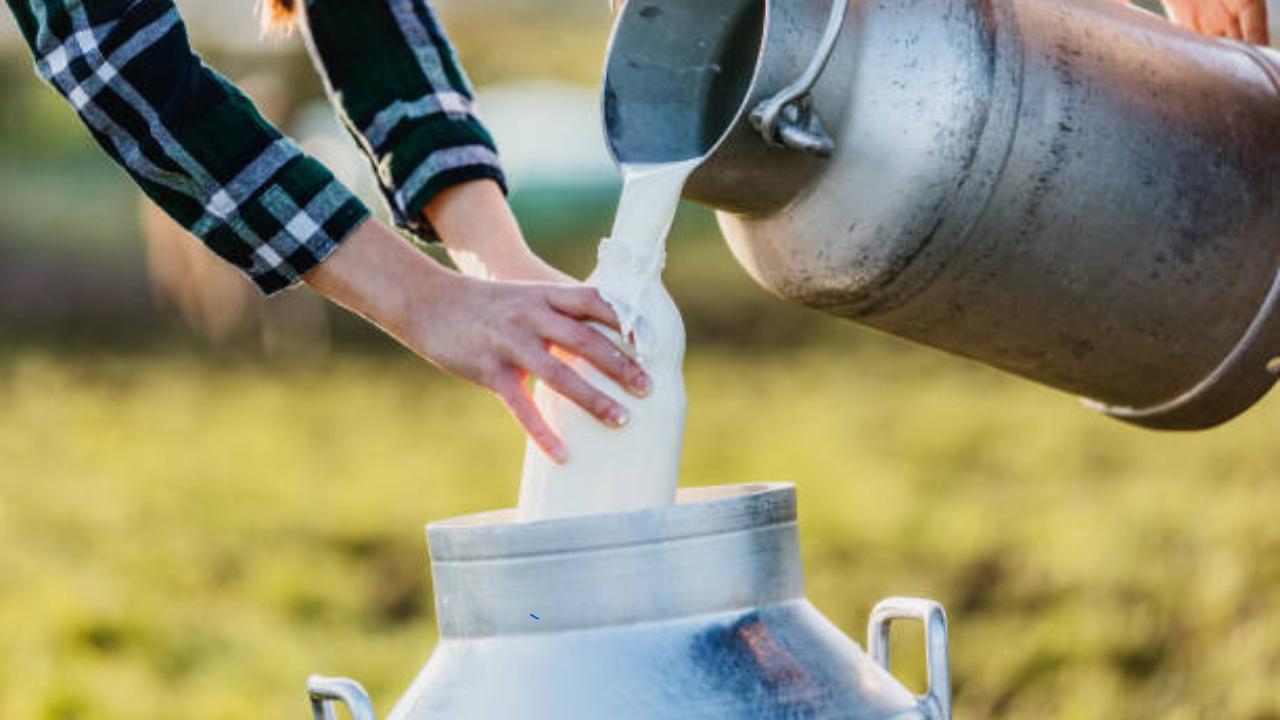
Raw, unpasteurized milk has gained traction in the US over the past two years despite warnings about its health risks. The American Academy of Pediatrics (AAP) has renewed its call for a ban on the sale and distribution of raw milk and dairy products, including raw cheeses.Recent cases have highlighted the risks associated with raw milk. Two California girls — 17-month-old Brooklyn and 6-year-old Victoria — were hospitalized with near-fatal E. coli infections after drinking raw goat milk. Hundreds of people have fallen ill across nine states in the past two years after consuming raw milk or products made from it.“Claims that raw milk provides superior health benefits are not supported by scientific evidence,” the AAP said.Raw Milk Riskier For Children, Pregnant PeopleAlso read: Drinking Raw Milk Hospitalizes 2 Young Girls in US With Nearly Fatal E. Coli Infection: Health Risks ExplainedIn a policy statement published online ahead of print in the November 2026 issue of Pediatrics, the AAP said unpasteurized milk, cheese and other raw dairy products are unsafe, particularly for young children and people who are pregnant or breastfeeding.“Nearly half of illnesses caused by raw dairy consumption occur in people under age 20 – and a significant share of those cases are in children under 5,” said Adam J. Ratner, MD, MPH, FAAP, lead author.“These illnesses can be severe and lead to life-threatening complications. Pasteurization … dramatically reduces the risks without taking away the nutritional value families rely on.”H5N1 Adds To Raw Milk ConcernsThe updated guidance also highlights H5N1, or highly pathogenic avian influenza, as an emerging risk associated with raw milk. Sales and distribution of raw milk remain legal in at least 27 states.The virus can be transmitted from infected dairy cattle into milk, where it can reach high concentrations and remain detectable in refrigerated raw milk for up to five weeks.During the 2024 US dairy outbreak, infectious H5N1 was detected in nearly one-quarter of raw milk samples in affected areas. However, FDA and USDA testing of commercial pasteurized milk found no viable virus, showing that high-temperature, short-time (HTST) pasteurization neutralizes H5N1.No human cases of H5N1 infection from consuming raw milk have been confirmed to date, but the AAP considers it a credible emerging threat.Read More: Second Plague Death Reported As Russia Denies OutbreakRaw Milk Can Carry Dangerous PathogensUnpasteurized milk can contain Listeria, E. coli, Salmonella, Campylobacter and Brucella. These infections can cause severe illness, hospitalization, miscarriage and death, particularly among young children, pregnant people and those with weakened immune systems.Listeriosis is estimated to be 12 to 14 times more common during pregnancy than in the general population and can cause miscarriage, stillbirth, premature delivery or severe illness in newborns.AAP Says Pasteurized Dairy Is Safest“Parents may choose raw milk because they have heard it is healthier or more natural, but the scientific evidence tells a different story,” said Mark R. Corkins, MD, FAAP, co-author of the policy statement.“Pasteurized dairy products provide the same essential nutrients without exposing children and families to preventable infections from dangerous bacteria and viruses. For infants, children and pregnant people, pasteurized dairy products are clearly the safest choice.”