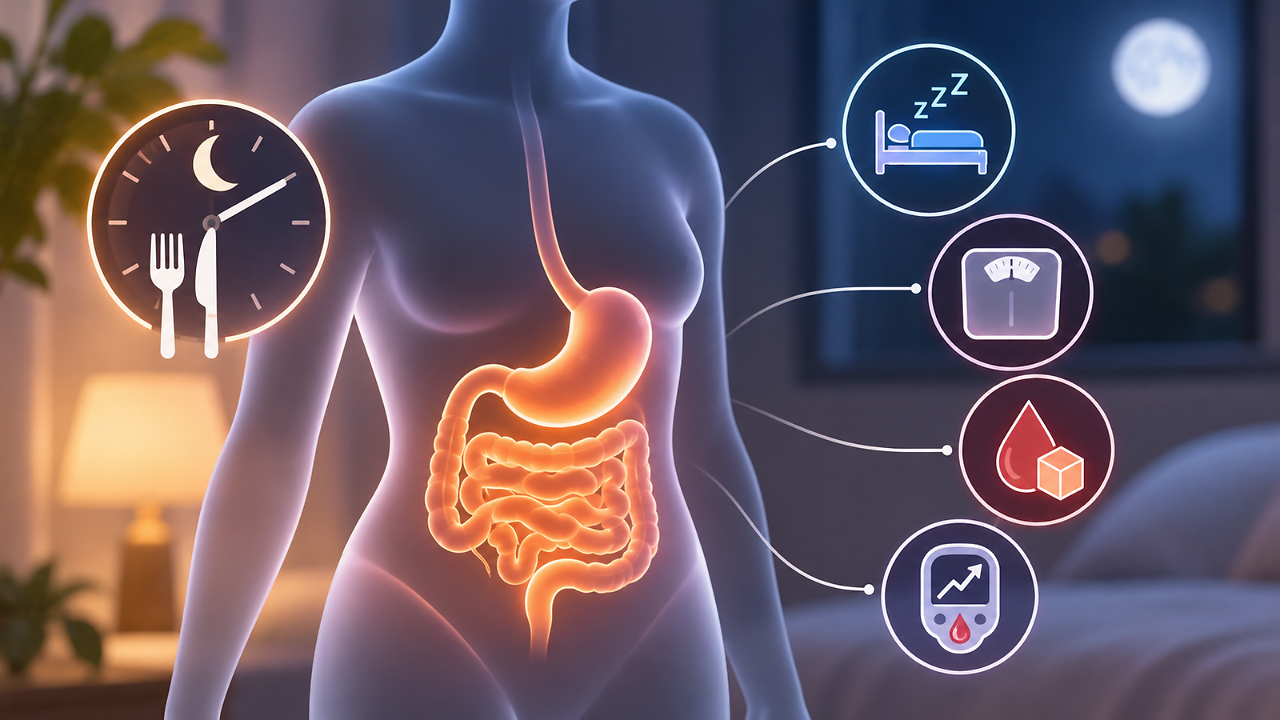
Food habits nowadays has been the major contributor for causation of any ill health .Food is not just about what we eat, but also when, how and how much we eat. In today's fast-paced lifestyle, late-night dinners, irregular meal timings and midnight snacking have become common and inevitable, especially in metro cities like Bangalore, Delhi , Mumbai etc. But does eating late really affect our health? Ayurveda offer valuable insights into this question.According to Ayurveda, Jataragni (digestive fire) plays a prime role in digestion, metabolism and maintaining our health. Traditionally, afternoon is considered an appropriate time for the main meal, as digestive activity is believed to be stronger during this period.But today, people consider dinner to be the main meal of the day as they have ample time to enjoy their food. Eating heavy meals late at night, when the body is preparing for rest, may contribute to indigestion, bloating, acidity and disturbed sleep. Ayurveda also explains that, due to weak Jataragni at this time , consumption of heavy meals contribute to the formation of Ama (metabolic toxin).Body rests well when we go to bed with almost emptied stomach. As the system focuses only on sleep and not on any other physiological process . Eating close to bedtime can interfere with sleep, particularly when meals are large, spicy, oily or difficult to digest. Lying down immediately after dinner may also aggravate acid reflux.Also read: Beyond Medication: The Role of Yoga, Ayurveda and Integrative Care in Improving Quality of Life for People with DiabetesLate-night eating may influence body weight as well. Our metabolism follows a circadian rhythm, and the body handles glucose differently at different times of the day. Consuming heavy meals late at night, especially alongside reduced physical activity, may encourage excess calorie intake and metabolic disturbances.Meal timing is particularly important for individuals with diabetes. Research suggests that late-night meals can lead to higher post-meal blood glucose levels in some individuals. Maintaining regular meal timings, avoiding frequent night-time snacking and choosing balanced meals can support better blood sugar regulation. Ayurvedic Recommendations for Better Food Intake Also read: Yoga Is The Biggest Zero-Cost Healthcare Treatment, Says PM Narendra ModiFollow regular meal timings: Prefer a wholesome breakfast, a substantial lunch and a lighter, early dinner whenever possible.Watch portion sizes: Eat according to your digestive capacity. Avoid overeating, especially at night. Include proper proportion of proteins , fats and carbohydrates. Take a gentle walk: A 100 step walk after dinner can avoid formation of Ama (Metabolic toxins) which may contribute in managing the weight.Avoid immediate sleep: Maintain a gap of approximately 2–3 hours between dinner and bedtime, so that there in no discomfort while you sleep.Choose suitable foods: Prefer freshly prepared, warm and easily digestible meals at night. For shift workers, students and families, rigid meal timings may not always be practical. Shift workers should maintain consistent meal patterns around their waking hours and avoid heavy meals immediately before sleep. Students should minimise late-night snacking and plan balanced meals during study hours. Families can benefit from shared early dinners and regular meal routines.Eating late occasionally is unlikely to cause major harm, but regularly consuming large meals close to bedtime may affect digestion, sleep quality, weight management and blood sugar regulation. Ayurveda emphasises Ahara (food), Nidra (sleep) and Brahmacharya (regulated lifestyle) as important pillars of health.Ultimately, good health is not achieved by restricting food alone, but by respecting the body's natural rhythms, eating mindfully and maintaining a disciplined daily routine.By Dr. Abishek Bharadwaj BU, Asst. Professor, Dept. of Dravyaguna, SDM Institute of Ayurveda and Hospital, Bengaluru