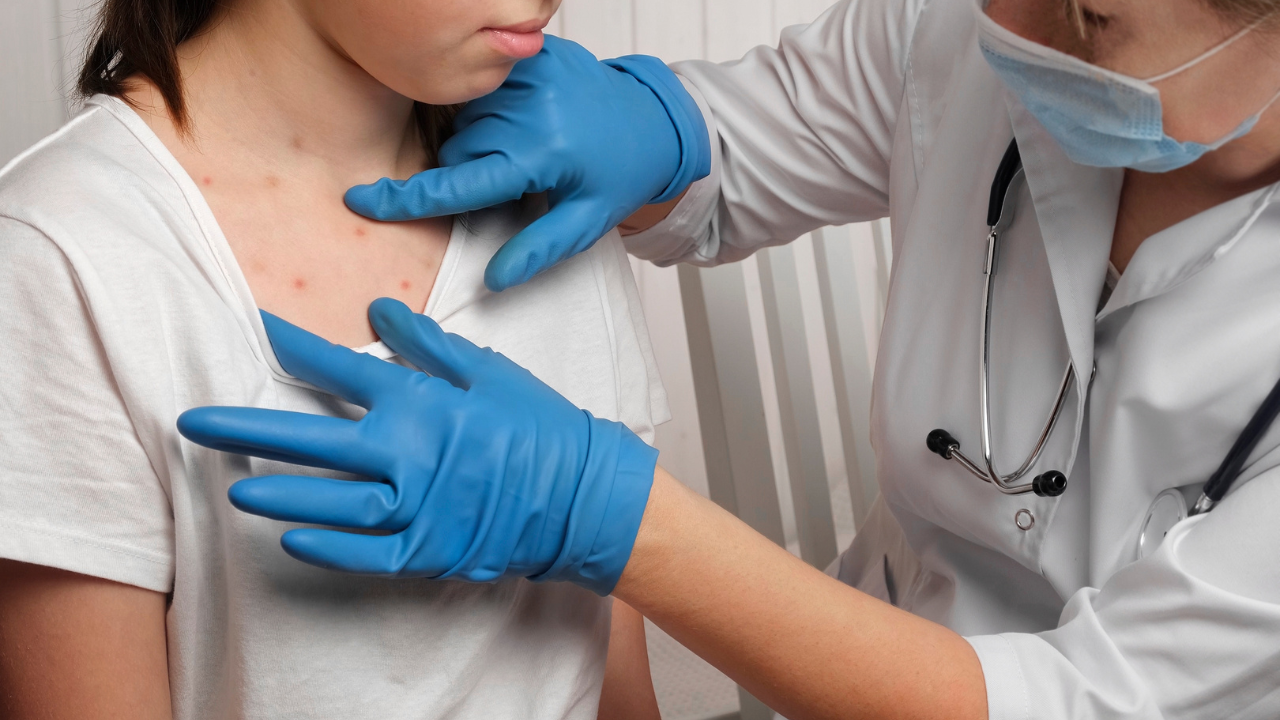
Amid concerns over the MMR vaccine and falling childhood vaccination rates in the US, another child has died with measles. The death was confirmed by Lancaster County Coroner Stephen Diamantoni, who said his office was investigating the case. He said the child died “a few weeks ago” but could not confirm whether it was the death Pennsylvania Gov. Josh Shapiro referred to last week. “We just want to cast as wide a net as possible and identify any deaths that may have occurred in individuals who had measles,” Diamantoni said. It remains unclear whether this is the second or third measles-associated death reported in the US this year. Pennsylvania Reports Two Measles-Associated Deaths In late August, Pennsylvania reported two measles-associated deaths in 2026, both involving unvaccinated individuals. One was reportedly an infant, while details about the second person have not been released. The deaths are the first measles-related deaths reported in Pennsylvania in 35 years, according to the state Department of Health. The infant’s death has been disputed. Lancaster County Coroner said the newborn tested positive for measles but died shortly after birth from a lacerated spleen. Measles antibodies were found during postmortem testing. “The newborn had measles” but did not “die of measles,” Parsons said, citing the coroner. CDC Challenges The Deaths The CDC has not included the two Pennsylvania deaths in its national measles count while it reviews additional information about the circumstances and causes of death. According to the CDC, available information does not establish whether measles caused or contributed to the deaths or whether the individuals died from other causes while infected with measles. The Department of Health and Human Services said the deaths had not been confirmed based on the information available to the CDC. Pennsylvania, however, maintains that it followed the standard process and provided the CDC with the required epidemiological data. The state calls the deaths “measles-associated,” meaning there is laboratory or epidemiological evidence of measles, even if the virus is not established as the immediate cause of death. The US CDC has 2,903 confirmed measles cases in the US in 2026, as of August 27, 2026, the highest number in 35 years. The cases are spiraling amid anti-vaccine stance promoted by the Trump-led US government and HHS Secretary RFK Jr.More recently, Trump also announced a split of the MMR vaccine.Measles has been considered eliminated in the US since 2000, but the Pan American Health Organization is expected to decide in November whether the US has lost its elimination status. What Is Measles? Measles is one of the most contagious infectious diseases. An infected person can spread the virus to around nine out of 10 unvaccinated people exposed to it. Most people recover, but measles can cause serious complications, including pneumonia, brain inflammation and death. Infants, pregnant women and people with weakened immune systems are particularly vulnerable. Why Measles Is More Than A Fever And Rash Early measles symptoms can resemble a common cold and include: High fever, which can exceed 104°Persistent Runny Red, watery eyes A distinctive sign of measles is the appearance of tiny white spots, called Koplik spots, inside the mouth. These spots typically develop two to three days after the initial symptoms begin. Their presence is an important diagnostic clue and often appears before the characteristic measles rash. What Does A Measles Rash Look Like? A rash appears three to five days after the initial symptoms. It usually starts as flat, red spots on the face, near the hairline, and then spreads downward to the neck, trunk, arms, legs and feet. The spots can sometimes be slightly raised and may merge. When the rash appears, the fever may also increase significantly. Who Is Most At Risk? Groups at higher risk of measles complications include: Children younger than Adults older than Pregnant People with weakened immune systems, including those with leukemia or HIV How To Prevent Two doses of the MMR vaccine are key to preventing measles. Te first MMR dose is recommended at 12 to 15 months, followed by a second dose at 4 to 6 years.