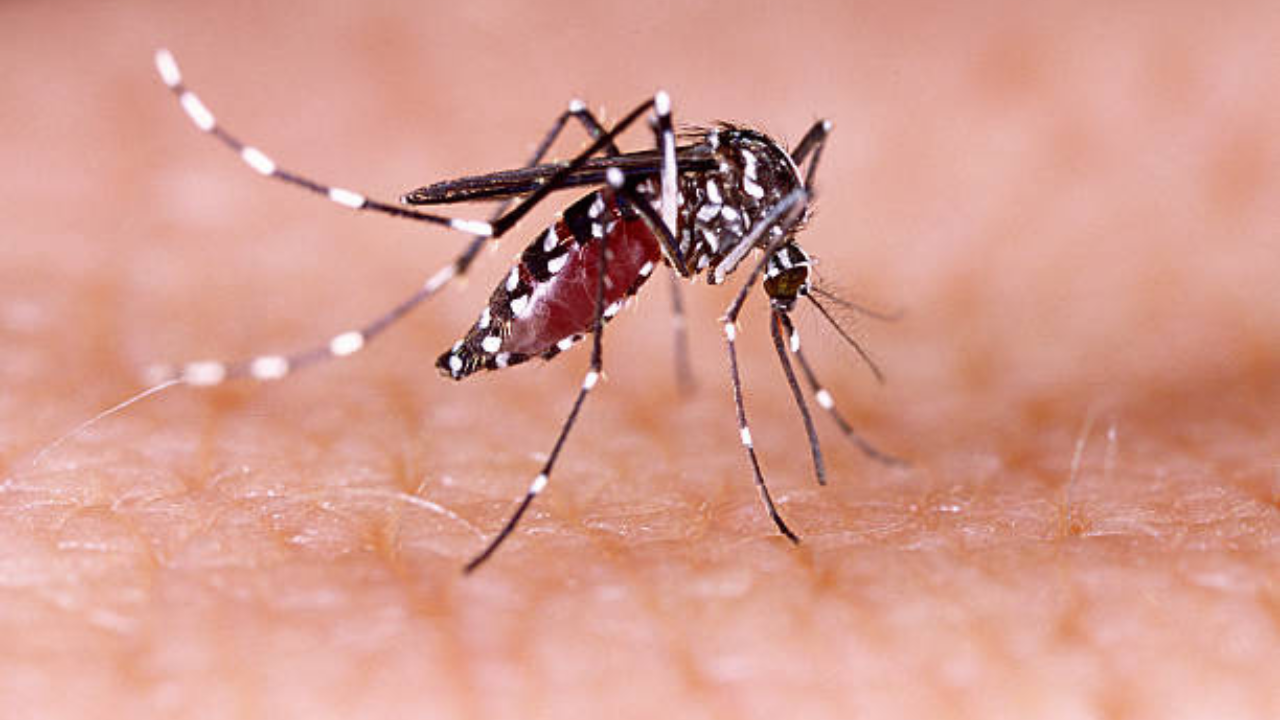
UK health officials have reported the breeding of an invasive mosquito species known to spread dengue, chikungunya and Zika viruses.While this is the fourth time Aedes aegypti has been detected in the UK, it is the first time the species has been found breeding. The mosquitoes were found reproducing in homes in east London.The UK Health Security Agency (UKHSA) said the risk to the public is low, with no evidence of human infections linked to these mosquitoes.Officials believe the mosquitoes may have been accidentally imported in baggage, vehicles or plants. Measures to destroy larvae, along with surveillance and trapping, have been stepped up.What Does This Mean For Public Health?Mosquito-borne diseases kill more than one million people and infect up to 700 million each year.While Aedes aegypti mosquitoes are usually found in tropical and subtropical climates, the current risk to the UK public remains low. The species is unlikely to survive long-term in the UK's colder temperatures.UKHSA head of medical entomology Dr Jolyon Medlock said: "There is no evidence that these mosquitoes have caused human infections and importantly, to date, there is no evidence of the mosquitoes or larvae being detected in nearby public areas."Dr César López-Camacho of the University of Oxford called the finding "important" but said it was not a reason for alarm.Is Climate Change To Blame?Despite recent heatwaves, the overall UK climate remains too cold for Aedes aegypti to survive long-term, UKHSA said.The mosquitoes were detected through the Mosquito Watch scheme, which monitors invasive species.Medlock said the UK will continue to see invasive mosquitoes and that, as the climate warms, he expects more reports of them surviving.Globally, dengue cases are increasing across the Western Pacific and Southeast Asia. These increases are fueled by climate change, globalisation and immunological naïveté, alongside the limited impact of existing control measures.“While the current mosquitoes are unlikely to be infected, and so the risk to people will be low, their presence may indicate a regular summer event in future years. These mosquitoes will not survive the cooler weather of autumn or winter, but new introductions next year may lead to breeding again,” Martin Hibberd, Professor of Emerging Infectious Disease at the London School of Hygiene & Tropical Medicine (LSHTM), said.He said the mosquitoes live in and around human habitations and are well adapted to city life, requiring the right climate conditions, which the UK is now experiencing more regularly.Dr Robert Jones, Assistant Professor in the Department of Disease Control at LSHTM, said: “Even in outbreak situations, only a fraction of mosquitoes are infected, so the risk to the public from this finding is very low.”He advised people to make gardens and outdoor spaces less suitable for mosquitoes by removing standing water.“Mosquitoes can lay eggs in buckets, containers, plant pots and other places where water accumulates, so removing standing water can help limit the places available for them to lay eggs and reduce the likelihood of populations becoming established.”How To Prevent Mosquito Bites?To lower your risk of dengue and other mosquito-borne diseases:Wear clothes that cover as much of the body as possibleUse mosquito nets, ideally treated with insect repellent, when sleeping during the dayInstall window screensUse repellents containing DEET, picaridin or IR3535Use coils and vaporizersHow To Stop Mosquitoes From Breeding?Remove places where water can accumulateDispose of solid waste properlyCover, empty and clean domestic water-storage containers weeklyRemove artificial containers that can hold waterUse appropriate insecticides in outdoor water-storage containersMosquito detection and eradication programs are key to preventing the problem from becoming a bigger public-health risk.