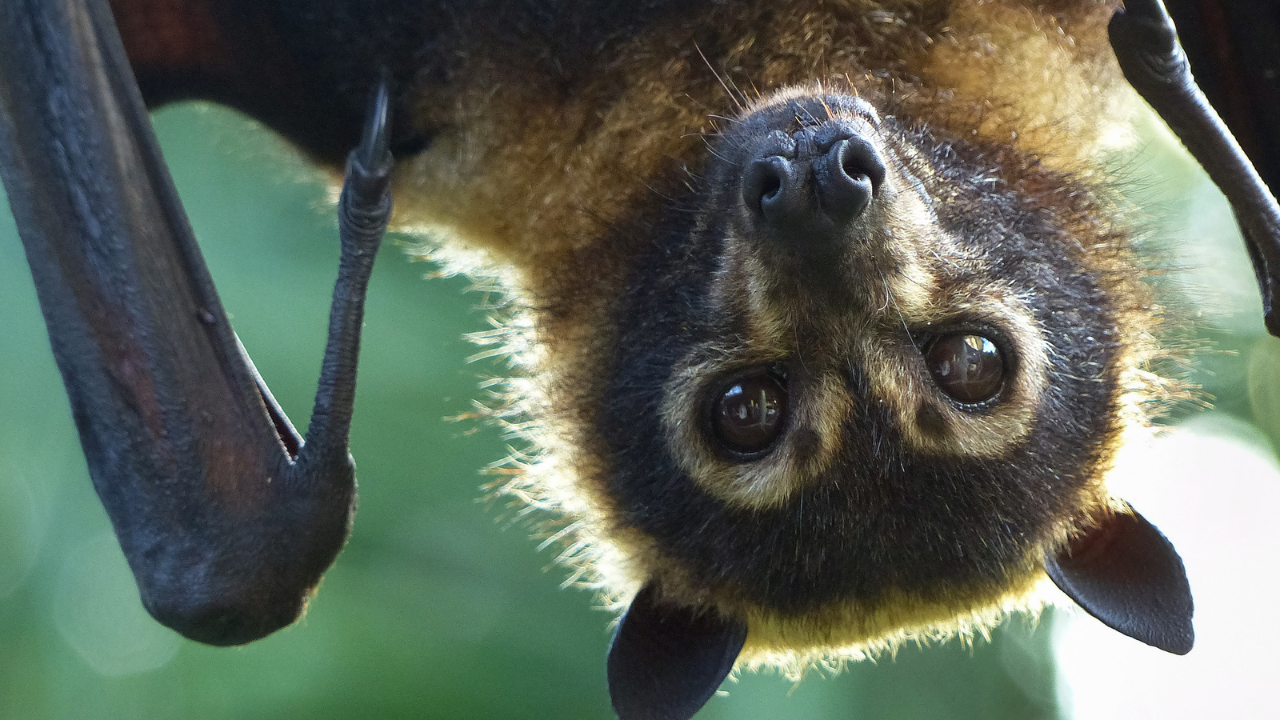
A Virginia doctor last week reported waking up with a bat inside her mouth. In a now-viral Instagram video, Dr. Krista Edelman, a Richmond gastroenterologist, said she was asleep beside her husband around 6 a.m. on August 20 when she dreamed that a small mouse was trying to get into her mouth.When she reached up, she realized it was a bat. Edelman safely removed it but immediately sought emergency medical care. She later shared a public health message urging people not to ignore indoor bat encounters.Recent Bat Encounters Raise ConcernEdelman’s experience is not isolated. With bat activity increasing during the summer, health officials in British Columbia, Canada, and New York have issued warnings about potential rabies exposure.On August 9, a woman at Olympic National Park in Washington had physical contact with a bat that later tested positive for rabies. Park rangers issued an alert to identify others who may have come into contact with the animal.On August 30, public health officials in North Carolina issued an emergency neighborhood alert after two Ballantyne residents were confirmed to have had direct exposure to a rabid bat.Also read: Cyclospora to Alzheimer’s: Trump Administration Scales Back Key Health ResearchBat Exposures Are RisingThe increase has been particularly notable in British Columbia. Interior Health data published August 26 showed 430 bat exposures recorded in 2026, compared with 126 in 2024.In Oregon, 22 rabid bats had been recorded by late July, matching the state’s highest historic baseline since 2000.Why Bat Encounters While Sleeping Are RiskyThe concern goes beyond visible bites or scratches. When a person is asleep, they may not know whether a bat has bitten or scratched them.An 11-year-old Canadian boy died from rabies after being awoken by a bat on his nose and mouth. The incident occurred during a 2024 family visit to a cottage in Ontario, according to a report published in the Canadian Medical Association Journal in July this year.The case highlights why a bat found in a bedroom should not be dismissed, even when there is no obvious bite or scratch.When Rabies Treatment May Be NeededRead More: Mystery Behind Rare Cancer Cluster In California Community Deepens After 20-YO Warning Emerges: What Is Ewing Sarcoma?According to updated guidelines from the Maine CDC and health departments nationwide, medical evaluation for rabies post-exposure prophylaxis (PEP) may be necessary after:A direct bite or scratch.Handling a bat without protective gloves.Waking up to find a bat flying or resting in the bedroom.Finding a bat in a room with an unaccompanied child, pet, or someone who was sleeping or incapacitated and cannot confirm whether contact occurred.Bat bites and scratches may not always be visible, making encounters involving sleeping or incapacitated people particularly concerning.What to Do After Bat Contact Interior Health advises avoiding contact with bats altogether. Never touch a live or dead bat.If you are bitten, scratched or otherwise come into contact with a bat, including through clothing, wash the affected area with soap and water for at least 15 minutes and seek medical attention immediately.Rabies is almost always preventable when post-exposure treatment, including vaccination when indicated, is given promptly.If a bat is found inside a home, contact the relevant authorities or qualified specialists rather than attempting to remove it yourself.How to Keep Bats OutHealth authorities recommend checking homes and cottages for potential entry points and sealing them to prevent bats from entering living spaces.Key precautions include:Repairing damaged screens.Sealing openings in roofs and walls.Checking vents and chimneys.Closing other potential entry points.Using qualified specialists for safe bat removal.