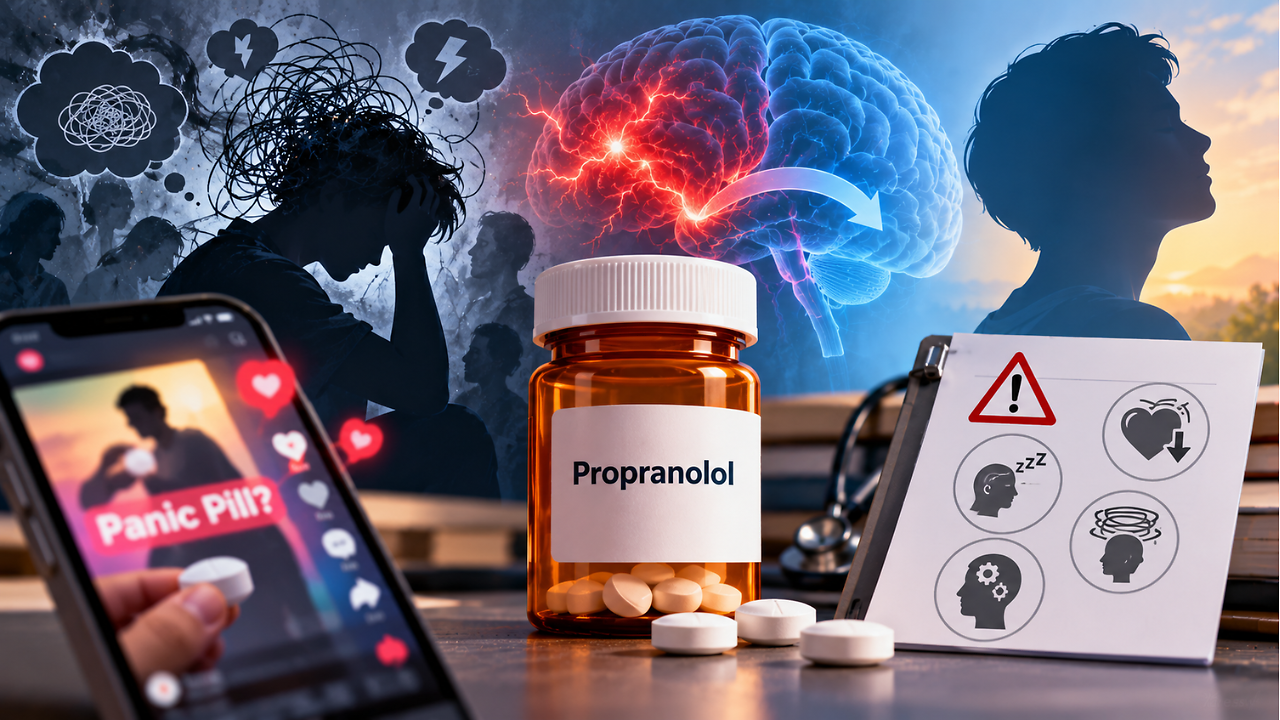
Propranolol is a beta-blocker that is used to address certain heart conditions and physical symptoms of anxiety. It has been gaining attention on social media for calming nerves before stressful life events like job interviews, presentations and other similar situations. However, experts warn that its surging popularity may make it difficult to pay attention to the limited evidence supporting its use for anxiety.The medication works by blocking the effects of adrenaline on beta receptors, slowing the heart rate and reducing physical symptoms like trembling, sweating and palpitations. It does not directly treat the emotional symptoms of anxiety.Propranolol Has Becoming Popular As A 'Quick Fix' In England, the NHS dispensed around 8.4 million propranolol prescription items in the 12 months leading up to June 2026, a 4.7% increase from the previous year. These figures cover all uses of the drug, not just anxiety.Significant increases in prescriptions among younger women and teenage girls over a decade was also seen. Social media has helped promote propranolol as a quick fix for nerves, but its popularity does not reflect the strength of its clinical evidence.Also read: Seasonal Depression & Anhedonia: How Winter Can Affect Pleasure And MotivationWhat Does The Evidence Say?Dr Daniel Gordon, private GP and managing director at DGA Health told Daily Mail that propranolol may help people whose anxiety mainly causes physical symptoms."In my experience, the people who find propranolol helpful are usually those whose anxiety shows up mostly in the body, with palpitations, shaking and a pounding chest," Dr Gordon said.He also said that addressing those symptoms can treat physical symptoms, helping people feel more in control. But feeling calmer in the body is not the same as treating anxiety, and for many people talking therapies, and sometimes other medicines, prove to be helpful.Additionally, the evidence available on Propranolol is insufficient contrary to its online popularity. A systematic review of eight small randomised trials, covering around 200 people, concluded that the evidence was insufficient to support routine use of propranolol in any anxiety disorder. Some people do report relief of physical symptoms, but propranolol us not recommended for anxiety as there are no modern, reliable clinical trials.Dr Gordon added, "This is exactly why proper assessment matters. Propranolol should generally not be used by people with asthma, certain heart rhythm problems such as heart block, a very slow heart rate or low blood pressure, and it can mask the warning signs of low blood sugar in people with diabetes."Also read: The Silent Struggle Of Raising A Child With Mental Health Challenges: How Parents Can Cope With StigmaRisks Of Taking Propranolol Without Prescription Common side effects of propranolol include dizziness, tiredness, cold hands and feet, and sleep disturbances. Because propranolol can decrease heart rate and blood pressure, it may be unsuitable for people with low blood pressure. It can also be risky for people with asthma and heart conditions.Buying prescription medication online is not inherently unsafe, but a brief questionnaire does not necessarily mean that a person's medical history and individual risks have been adequately assessed.Gordon stressed that a medical doctor needs to review a patient's medical history before prescribing the drug as it can interact with other medications and may be unsuitable for some patients.Alternatives For Managing Anxiety Propranolol may help some people manage physical symptoms in some situations, but it is not a substitute for treating clinical anxiety.Psychological therapies, including cognitive behavioural therapy (CBT), can help people manage anxious thoughts. Medication may also be appropriate depending on the person's symptoms.People whose anxiety affects their work, relationships or daily activities should speak to a healthcare professional rather than taking propranolol.