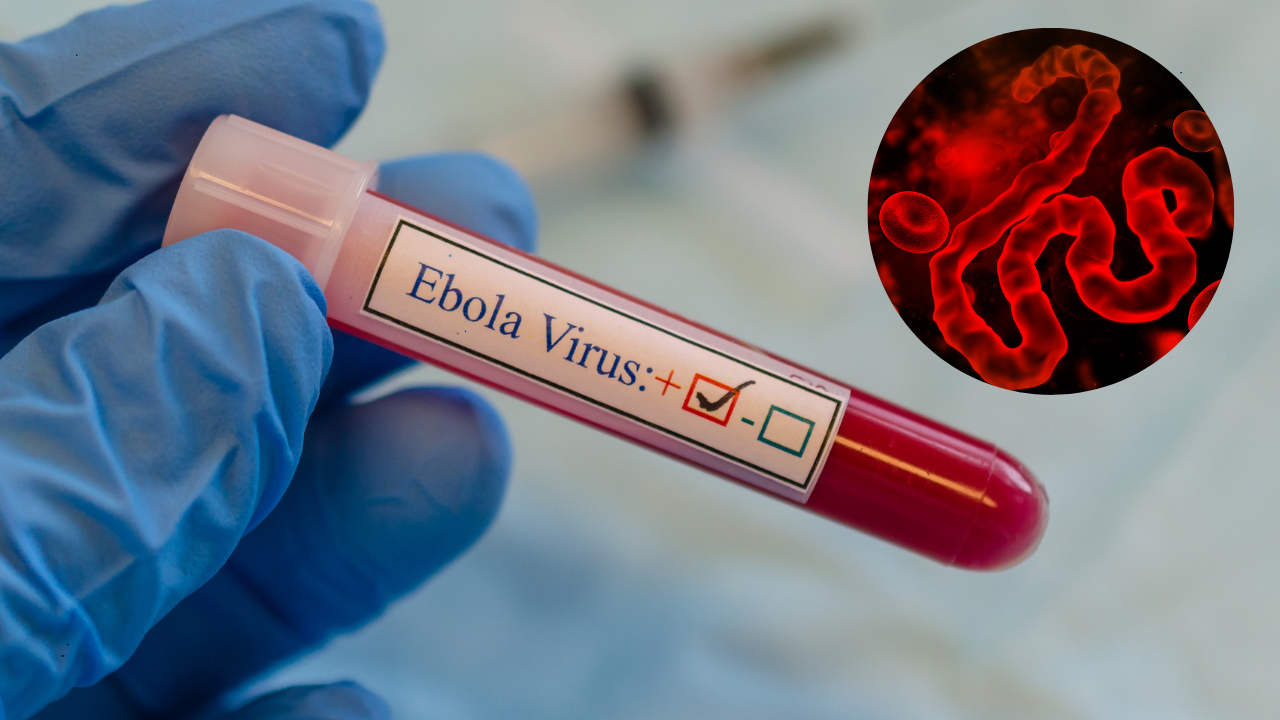
The whole world is in terror of Ebola spreading, and countries are on alert. Recently, there has been a possible Ebola-infected person under investigation by the health authorities of Brazil. As per the media reports, the suspected 37-year-old man is admitted to the hospital in São Paulo.The person with possible Ebola infection is from the Democratic Republic of Congo and started to show Ebola-like symptoms after returning from the African country. The local health authorities have ensured that he is in isolation, and the hospital specializes in the care of suspected or confirmed cases of the disease. What Is Ebola?Ebola is a severe and, in most cases, deadly disease caused by viruses predominantly found in Africa. The spread of the disease happens through contact with infected body fluids.Some symptoms can indicate a possible infection. This includes fever, weakness, headache, muscle pain, vomiting, diarrhea, sore throat, and unexplained bleeding. This eventually leads to severe complications like bleeding, organ failure, and death. The hosts of the virus are animals like bats, primates, and antelopes.Why Ebola Spread Is Not Like COVIDThe virus is raising serious global health concerns, with Tedros Adhanom Ghebreyesus, WHO Director General, stating that the ongoing Ebola outbreak "is spreading rapidly" and "outpacing us". Yet experts say that it is not COVID and cannot spread like it.“Ebola does NOT spread through casual airborne exposure like influenza or COVID-19. Individuals become infectious only after symptoms begin, not during the incubation period. The incubation period ranges from 2 to 21 days,” said Dr. Ishwar Gilada, Secretary General, People’s Health Organisation (India).Experts further explained that Ebola is far more difficult to spread than airborne respiratory viruses such as influenza, COVID-19, measles, and even the Andes strain of hantavirus, which recently caused an outbreak on a cruise ship.It is because Ebola is not airborne. Ebola does not spread through coughing, sneezing, or casual contact like shaking hands. It spreads only via body fluid contact.In addition, people with Ebola also do not spread the virus before developing symptoms. This means that during Ebola’s incubation period, which ranges from 2–21 days, an infected person is generally not contagious, unlike COVID-19, where transmission can occur before symptoms appear.