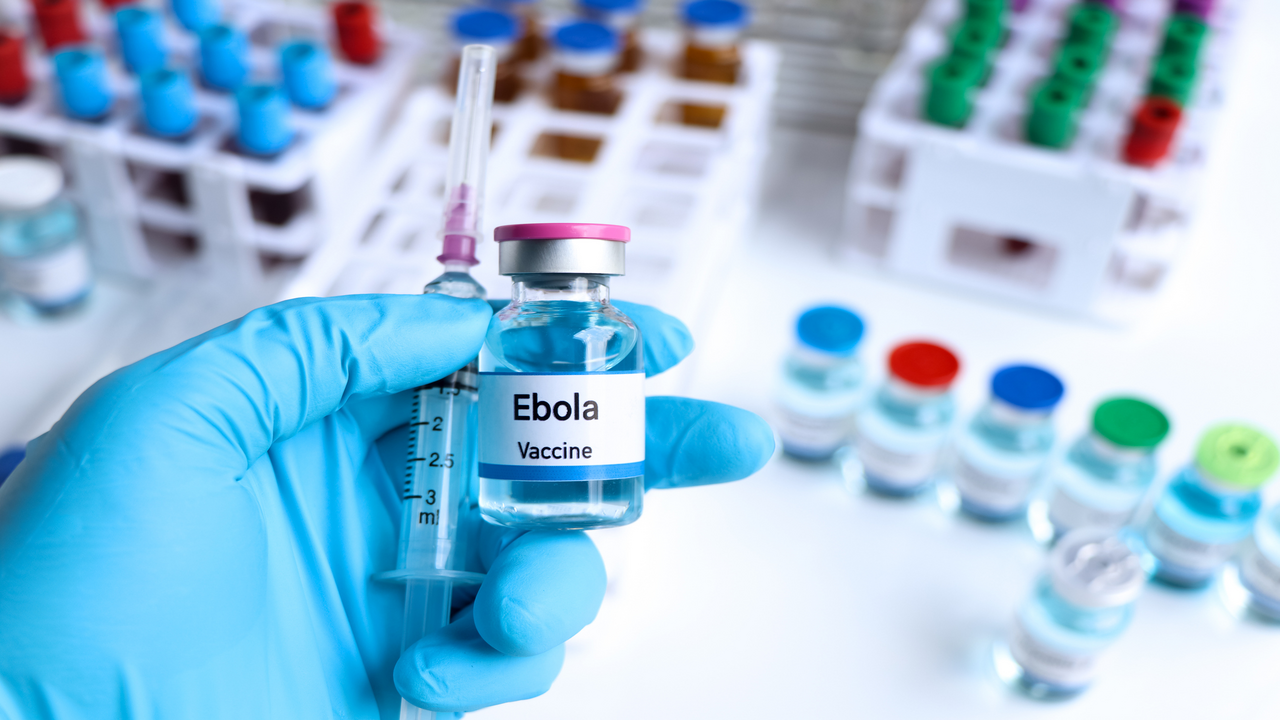
Amid the ongoing deadly Ebola outbreak, the World Health Organization (WHO) has identified experimental treatments and vaccine candidates for the Bundibugyo strain, which currently has no approved vaccine or antiviral treatment.The global health agency convened several expert and advisory groups and recommended prioritizing treatment of Bundibugyo cases with:Mapp Biopharmaceutical's MBP134Regeneron’s maftivimabGilead Sciences’ antiviral remdesivirIn addition, the WHO also advised evaluating combination therapy using a monoclonal antibody together with remdesivir.The advisory groups recommended that all identified products should be used exclusively within clinical trials to generate robust data and ensure safe, ethical, and effective research.Preventive Therapies, Vaccine CandidatesBeyond treatment, the WHO also proposed therapies for the prevention of Bundibugyo cases.For post-exposure prophylaxis among contacts of confirmed and probable cases, the oral antiviral obeldesivir was identified as a priority candidate. The expert groups also identified the single-dose rVSV Bundibugyo vaccine, being developed by the International AIDS Vaccine Initiative (IAVI), as the most promising vaccine candidate.Also read: Ebola: Inside India’s RT-PCR Tests For The Bundibugyo Strain| ExplainedThe development of the vaccine is expected to take approximately 7–9 months before it can be assessed through clinical trials for its ability to prevent Bundibugyo disease (BDV).Another vaccine candidate, ChAdOx1 Bundibugyo — being developed by Oxford University and the Serum Institute of India — could potentially become available within 2–3 months for efficacy assessment through a clinical trial. However, additional animal data are still required to support and confirm further prioritization.Experts noted that a single-dose approach for this candidate could be suitable for contacts of Ebola cases, while a two-dose strategy may be considered for high-risk but unexposed populations such as healthcare workers and frontline responders.The experts also reviewed the potential role of Merck's Ervebo, the only licensed Ebola vaccine currently available.Ervebo is approved for use during outbreaks caused by the most common Ebola virus species in Africa from the Orthoebolavirus family. However, it is not licensed for the prevention of Bundibugyo disease, and evidence regarding cross-protection against other Ebola virus species remains limited and inconclusive.The WHO stated that Ervebo should not be used outside carefully designed research settings so that its performance against Bundibugyo disease can be properly assessed.Meanwhile, Regeneron said in a statement that supplies of maftivimab are already available in the Democratic Republic of Congo, if the WHO decides to utilize the treatment immediately or include it as part of additional studies.Read More: Donald Trump Says Health Check-Up Went 'Perfectly'Russian Vaccine For New StrainMeanwhile, Russia has claimed that its scientists have developed a novel vaccine against a new Ebola strain.According to Russian Health Minister Murashko, "the vaccine may also protect against the rare Bundibugyo strain linked to the current outbreak in the DR Congo".It is because the "genetic similarity between this virus variant and the vaccine strain is about 60-70%," Alexander Gintsburg, scientific director of the Gamaleya National Center of Epidemiology and Microbiology, was quoted as saying GxP News.The rare Bundibugyo strain has so far caused over 900 cases and more than 200 deaths in the Democratic Republic of the Congo and Uganda.