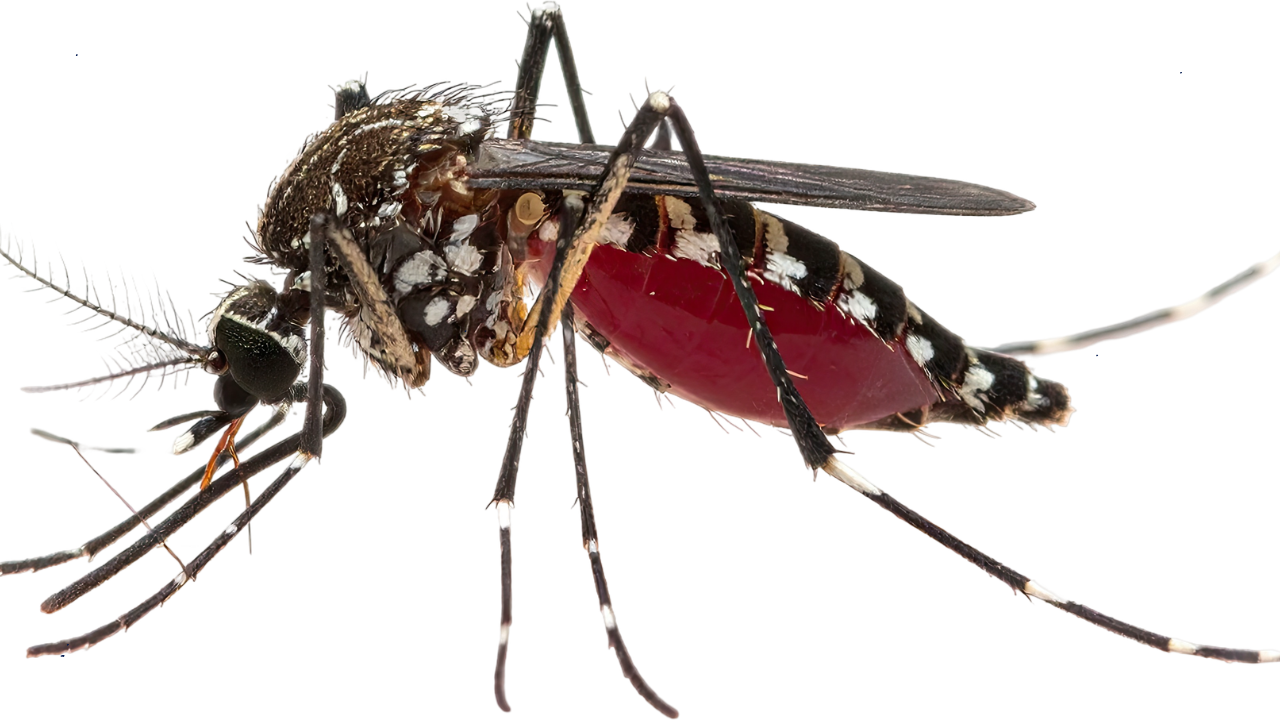
Breakbone Fever, also known as dengue, is a mosquito-borne disease that is once again on the rise, with the U.S. Centers for Disease Control and Prevention issuing a travel alert across 17 Countries. The federal agency flagged 'Level 1' risk for breakbone fever, calling for practicing usual precautions. It stated a higher-than-expected number of cases and urged people planning to travel to countries with an uptick in cases to be aware of the risk. The CDC alert issued on March 23 identified 17 countries reporting an increased number of cases of dengue. These include: Afghanistan, Bangladesh, Bolivia, Colombia, Cook Islands, Cuba, Guyana, Maldives, Mali, Mauritania, New Caledonia, Pakistan, Samoa, Sudan, Timor-Leste, Vietnam, and the United States territories of American Samoa, Puerto Rico, and the US Virgin Islands, where local transmission is already common. In 2026, the US reported a total of 496 dengue cases to date, and the vast majority of these cases were reported among people who contracted the illness while traveling abroad. The CDC advised travelers to risk areas to prevent mosquito bites by using an EPA-registered insect repellent, wearing long-sleeved shirts long pants when outdoors, sleeping in an air-conditioned room or a room with window screens.Also read: Long-term Exposure To Air Pollution Increases Fatality Rates In Dengue: Study What Is Dengue? Why Is It Called Breakbone Fever Dengue is a disease caused by a virus spread through mosquito bites. It is transmitted through infected mosquitoes, primarily the species Aedes aegypti.The breakbone fever is caused by an infection with any of four different dengue viruses. These include:Dengue virus type 1 (DENV-1 or DEN-1)Dengue virus type 2 (DENV-2 or DEN-2)Dengue virus type 3 (DENV-3 or DEN-3)Dengue virus type 4 (DENV-4 or DEN-4) Common Symptoms of the dengue are: Sudden onset of high-grade fever. Intense headache Severe muscle, joint, or bone pain. Skin Rash that often appears 2–5 days after the fever starts Nausea and Vomiting Minor bleeding Fatigue.Dengue is also referred to as “breakbone fever” because, along with high fever, it causes severe aches and pains, especially in the legs, joints, and back. The disease can take up to 2 weeks to develop, with illness generally lasting less than a week. However, it can quickly become severe within a few hours, usually requiring hospitalization. In severe cases, health effects can include hemorrhage (uncontrolled bleeding), shock (seriously low blood pressure), organ failure, and death. Breakbone Fever: Global BurdenAccording to the World Health Organization (WHO), about half of the world's population is now at risk of dengue. It estimates that: About 390 million dengue infections occur annually worldwide Nearly 100 million people develop symptoms each year Around 1 out of every 20 people infected by the dengue virus also develops severe dengue, a life-threatening medical emergency that requires immediate medical attention. The two main authorized vaccines in the world against dengue are Dengvaxia and Qdenga. These vaccines are designed to protect against all four serotypes of the virus, with a focus on reducing severe disease and hospitalizations. In addition, the Butantan-DV vaccine developed by the Butantan Institute in São Paulo has shown potential to be over 80 percent effective in preventing the risk of severe disease for up to five years. It also offers broader protection against all four dengue serotypes.