
- Health Conditions A-Z
- Health & Wellness
- Nutrition
- Fitness
- Health News
- Ayurveda
- Videos
- Medicine A-Z
- Parenting
Budget 2026: WHO’s Only Traditional Medicine Centre In THIS City To Be Upgraded
Credit: Canva, WHO
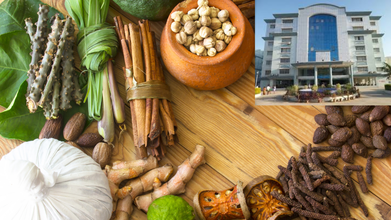
During this year's Union Budget presentation, Finance Minister Nirmala Sitharaman announced major upgrades for WHO first and only Global Traditional Medicine Centre (GTMC) in Jamnagar as part of the government's attempt to boost Ayurveda and traditional medicine in the country.
Sitharaman, in her February 1 speech, mentioned that the upgrade of the center at Jamnagar will be carried out "to bolster evidence-based research, training and global awareness in traditional medicine system."
The proposed upgrade is expected to improve clinical validation, research infrastructure, documentation, and knowledge sharing platforms aligned with international health standards.
Anup Thakkar, head of department of Panchkarma, Institute of Teaching and Research in Ayurveda, Jamnagar told TOI of the announcement: "The WHO center is for research and training and the budgetary announcement will give it a big push. With evidence-based research in ayurveda, that too backed by WHO it will give global acceptance to ayurveda.
"It will help in standardization of ayurveda drugs. Farmers who grow the herbs will also be benefited."
The exclusive traditional medicine institute was established in 2022 in collaboration with the Government of India and Ministry of AYUSH. According to WHO, India has committed $250 million for the project.
What Is Traditional Medicine?
Traditional medicine encompasses ancient and culture-specific healthcare practices such as Ayurveda, Chinese medicine and herbal remedies used to treat illnesses and promote well-being, often relying on natural, plant-based, or holistic methods.
This type of medicine mainly utilizes the benefits of natural products like the plant, animal, and mineral substances. The mode of treatment is supported by indigenous beliefs, practical skills, and experiences handed down from generation to generation.
It also treats the human body as a whole and not a particular body part and relies on the concept that every organ of the human body is interconnected with others. The emphasis of traditional medicine is on maximizing the body’s innate ability to heal itself.
Budget 2026: Focus on Yoga And Ayurveda
Under Budget 2026-27, 1.5 lakh caregivers will be trained to provide yoga and Ayurveda-based services to improve access to wellness care while also creating large-scale employment opportunities. The proposal reflects the growing demand for traditional and preventive healthcare in India and abroad.
She also proposed setting up new All India Institutes of Ayurveda as part of the government’s push to expand traditional and modern healthcare infrastructure as well as to improve the quality of Ayurveda education and help standardise treatment practices across the country.
"I propose to set up three new All India Institutes of Ayurveda; Upgrade AYUSH pharmacies and drug testing labs and make available more skilled persons; Upgrade the WHO Global Traditional Medicine Centre in Jamnagar," said Sitharaman.
Additionally, she noted that ancient Indian yoga received worldwide recognition after Prime Minister Narendra Modi took the initiative to introduce it at the United Nations.
“Ancient Indian yoga, already respected in several parts of the world, was given mass global recognition when PM took it to the UN. Post COVID, Ayurveda gained a similar global acceptance and recognition. Exporting quality Ayurvedic products helps farmers who grow the herbs and the youth who process the products. To meet growing global demand, a few more steps are being taken,” the FM said.
Focusing on the connection between traditional Indian medicine and medical tourism, Sonam Garg Sharma, Founder, Medical Linkers told Healthandme: "As a country, we are increasingly recognised for combining clinical excellence with value-driven care, and healthcare hubs that integrate advanced diagnostics, post-treatment rehabilitation, and AYUSH-led wellness therapies such as yoga and Ayurveda can take that advantage further by offering a truly end-to-end patient journey.
"This also adds meaningful momentum to India’s medical value tourism story, where outcomes, experience, and continuity of care matter as much as affordability."
Thar Desert Bacteria Is Infecting People in Himalayas, Study Finds
Credit: Canva
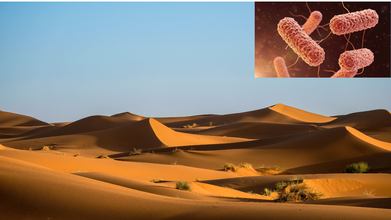
Bacteria from the Thar desert is being transported by wind to the Eastern Himalayas and causing respiratory and skin diseases in locals, according to a Science of the Total Environment study.
Researchers from Bose Institute found that powerful dust storms filled with disease-causing bacteria can travel hundreds of kilometers, crossing densely populated and polluted Indo-Gangetic Plain before finally settling over Himalayan hilltops, where they are affecting local populations and ecosystems.
The scientists noted: "In addition to respiratory and skin diseases due to the transported pathogens, vertical uplift injects locally sourced pathogens into high-altitude atmosphere, where they mix with long-range travellers arriving from afar. Together, they reshape the bacterial community floating above the Himalayas, contributing to gastrointestinal infections as well."
Why Is This A Concern?
The Himalayan hill-top atmosphere is widely considered beneficial for human health. However, after analyzing air samples for two years, the scientists found a clear link between desert-origin dust and bacterial shifts in the Himalayan atmosphere.These changes were driven by horizontal wind patterns that carry particles across vast distances, combined with rising air pollution from lower elevations.
Riddled with airborne bacteria, including pathogens that can affect overall physical health, this air can increase vulnerability in people living in colder regions, who are already at a high risk of developing conditions related to the weather such as hypoxia (a condition where tissues don't get enough oxygen, often causing confusion, rapid heart rate, shortness of breath and bluish skin)
“About 80 percent of the total Himalayan bacterial population is due to long-range transport via horizontal and vertical movement of atmosphere, causing about 60 percent perturbation in Himalayan bacterial diversity,” the researchers said.
Cold weather and excessive exposure to airborne bacteria also increases disease risks by weakening immune responses, causing blood vessels to constrict and promoting close indoor confinement, which accelerates the spread of bacteria and viruses.
Some common conditions include respiratory infections (pneumonia, bronchitis), cardiovascular strain (heart attacks, strokes) and bacterial infections like Strep throat.
READ MORE: AI Detects More Breast Cancer Cases in Landmark Swedish Study
Antibiotic Resistance: An Rising Threat
This comes days after experts warned that one child in India dies every nine minutes from an infection caused by antibiotic-resistant bacteria, as it becomes one of the top 10 global public health threats.Dr HB Veena Kumari of the Department of Neuromicrobiology, National Institute of Mental Health and Neurosciences, claims: "The Covid-19 pandemic has significantly contributed to rising antimicrobial resistance. The World Health Organisation projects that 10 million deaths will occur annually by 2025."
According to the National Foundation for Infectious Diseases, antibiotic resistance occurs when bacteria in the body learns to withstand and remain unaffected by the medicines (antibiotics) meant to kill them.
In such cases, doctors have to switch to different antibiotics, but these backup medicines might not work as well or might cause more side effects. Additionally, infections may also worsen over time as bacteria can become resistant to all available drugs.
Alarmingly is that these tough, drug-resistant bacteria can spread from one person to another, both in hospitals and at home.
According to Dr TS Balganesh, Gangagen Biotechnologies, nearly 36 percent of haemodialysis patients die from fatal infections, which is second only to cardiovascular diseases as a cause of death.
He tells Deccan Herald: "The risk for infective endocarditis in haemodialysis patients is approximately 18 times higher than in the general population and up to 58 percent of these episodes are caused by a bacteria named 'S aureus', with an in-hospital mortality of more than 50 percent."
Bird Flu Outbreak In Bihar: Over 150 Crows Found Dead in Bhagalpur, Authorities on High Alert
Credits: iStock (representational image)
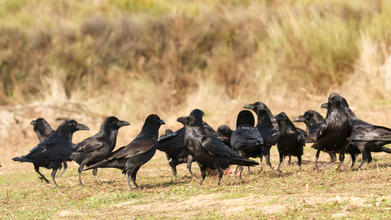
Bird flu outbreak has been confirmed in Bihar's Bhagalpur district in Naugacha subdivision. More than 150 crows were found dead, which prompted an emergency response from the district administration.
This has led to panic among the residents, when during a morning walk on January 11, they spotted a large number of dead crows under a tree. Several birds also looked in distressed conditions. This has raised possibility of influenza outbreak among locals.
Bird Flu Outbreak In Bihar: What Is Happening Now?
Following the incident, Forest Department teams reached the spot and safely disposed of the dead birds. A joint team from the Forest and Animal Husbandry departments collected samples, which were sent to high-security laboratories in Patna and Bhopal for testing.
District Animal Husbandry Officer Anjali Kumari confirmed that reports from both laboratories detected the bird flu virus. After confirmation from Bhopal, the district administration went on high alert and launched a sanitization drive within a 10-kilometre radius of the affected area.
Authorities are also collecting samples from nearby poultry farms to rule out any spread to domestic birds. Surveillance has been stepped up across the subdivision. Officials have said the situation is under control, but strict precautionary measures are in place.
The Health Department and Animals Husbandry Department are also closely monitoring the situation. Dr. Anjali Kumari Sinha, District Animal Husbandry Officer, Bhagalpur, said, “The crows died on January 11, and at that time it was very cold, so it seemed that they died due to the cold. However, we sent samples for testing, and the Government of India has confirmed that the crows died due to bird flu.”
“So, currently, we are sanitising the affected areas. We had also sanitised the area on the 11th. In addition, zero surveillance will be conducted on all the poultry farms in this area, and samples will be sent again for testing,” she added.
Read: Bird Flu Detected in Dutch Cow, Marking Europe’s First Case
Bird Flu In Bihar: What Is It And What Are The Symptoms?
Bird flu is primarily a disease that affects birds, but it can occasionally infect humans, particularly those who come into direct contact with infected poultry or contaminated surfaces. The symptoms of bird flu in humans can vary but often resemble those of common flu, including:
- High fever (often above 38°C)
- Cough
- Sore throat
- Muscle aches
- Fatigue
- Shortness of breath
- Headaches
In severe cases, the infection can lead to more serious respiratory diseases, such as pneumonia, and can be fatal if not treated promptly.
Bird Flu In Bihar: How to Protect and Prevent Bird Flu
Given the potential for transmission to humans, it is crucial to take preventive measures to reduce the risk of infection. Here are some key steps that can be taken:
Avoid Contact with Infected Birds: Refrain from touching or handling birds that are sick or dead, especially in areas where bird flu has been reported.
Practice Good Hygiene: Wash your hands frequently with soap and water, especially after handling birds or being in environments where birds are kept.
Cook Poultry Thoroughly: Ensure that all poultry and eggs are cooked thoroughly before consumption. The virus is sensitive to heat and can be killed by proper cooking.
Use Protective Gear: If you are working in an environment where you are likely to come into contact with poultry, wear protective clothing, including gloves and masks, to minimize the risk of infection.
Stay Informed: Keep up-to-date with information from health authorities about any outbreaks in your area and follow their guidelines on how to stay safe.
NIMHANS-2 Set To Launch In North India, FM Nirmala Sitharaman Announces

Credit: Canva
Finance Minister Nirmala Sitharaman has announced the launch of National Institute of Mental Health and Neuro Sciences-2 in North India, making it the first in the area and second dedicated institute in the country during Union Budget 2026.
"There are no national institutes for mental healthcare in north India,” the finance minister said. This forces patients to travel long distances for specialized treatment, training and research-linked care," Sitharaman said of the launch.
The first National Institute of Mental Health and Neuro-Sciences (NIMHANS) is located in Bengaluru and serves as the apex center for mental health education and neuroscience research at present.
Initially named as the Bangalore Lunatic Asylum in 1847, the institution underwent changes in 1925 and was renamed Government Mental Hospital. However, in 1974, the institution was established as NIMHANS and was brought under the wing of the Ministry of Health and Family Welfare.
The launch of the new institute reaffirms the Union government’s commitment to mental health and trauma care and aims to address long-standing gaps in access to psychiatric and trauma care.
Namrata Jain, Psychotherapist and Relationship Expert, Founder of OutAloud Wellness told Healthandme: "These new hubs will finally bring quality care closer home, supporting the early intervention that stops a struggle from becoming a crisis.
"Very importantly, they’ll provide the formal, high-quality training our professionals lack in today’s times and establish research centers that have been missing in India. It’s a major step toward making mental health a national priority and additionally decentralizing, destigmatizing, and decolonizing mental health."
India's Ongoing Mental Health Crisis
The Ministry of Health & Family Welfare noted India contributes to 18 percent of the global population, and as per the World Health Organization (WHO), the burden of mental health problems in India is 2,433 disability-adjusted life years (DALYs) per 10,000 population.
The age-adjusted suicide rate is per 21.1 per 1,00,000 population, and the economic loss between 2012-2030 is estimated at USD 1.03 trillion.
Another study published in 2024 in Cureus, quotes a previous study from early 2021 by UNICEF and Gallup that reveals that children in India were hesitant seeking help for mental health.
READ MORE: Lucknow University Professor's Initiative Of Diary As Mental Well-being Doctor Gets Patent
According to another 2024 study, the prevalence rate of mental health issues in children and teenagers in India was determined to be 23.33 percent in school and 6.46 percent in the community.
The National Mental Health Survey 2016 also found that teenagers had a 7.3% prevalence of illness, distributed equally across boys and girls. However, it was greater in metropolitan metro areas, and the prevalence of anxiety issues was 3.6%, with depression-related conditions at 0.8%.
Why Is India's Youth Struggling?
A 2025 study published in the International Journal of Indian Psychology notes certain risk factors due to which the Indian youth is struggling with mental health issues:
- Family Environment and Parenting Style: Dysfunctional family dynamics lead to poor mental health outcomes in young people.
- Substance Use and Peer Influence: Interaction with antisocial peers can lead to substance abuse and further lead to depression.
- Academic Pressure and Performance Anxiety: An intense pressure to perform in academics, and the parental expectation that leads to risk of depression in youth.
- Socioeconomic Status: Youth from financially disadvantaged families face higher risks of depression and anxiety due to income struggles and financial stress.
- Violence, Abuse, and Trauma: Exposure to physical or sexual abuse significantly increases the likelihood of depression and anxiety in young people.
- Gender, Identity, and Relationship Issues: Struggles with gender, sexuality, or relationships heighten vulnerability to mental health crises, often worsened by stigma and isolation.
- Urban vs. Rural Settings: Urban youth report more mental health disorders than rural youth, linked to academic pressure, social isolation and weaker family support.
- Pandemic-Related Stress: The COVID-19 pandemic intensified depressive symptoms among students, with women disproportionately affected due to added household burdens and limited social interaction.
What Else Was Announced In Budget 2026?
Sitharaman also proposed launching a scheme to support states in setting up five regional medical hubs, which will include AYUSH centers and infrastructure for diagnostics and post-care rehabilitation.In addition, ten new allied health disciplines will help train one lakh professionals, strengthening the healthcare support system across hospitals, wellness centers and medical tourism facilities.
Furthermore, she noted that no mental health institutions have been set up in North India and to boost care, the government will set up centers in Ranchi, Jharkhand and Tezpur, Assam.
Jain commended the government's initiative to improve mental health care and told Healthandme: "The focus on mental health alongside Ayurveda and wellness in this budget is a powerful affirmation that holistic wellbeing matters. Now is the time to harmonize our ancient Indian sciences with contemporary mental health frameworks to nurture resilient, compassionate communities.
"It feels deeply reassuring to see mental health, Ayurveda and wellness coming together in this budget. Healing has always been holistic and this is our reminder to blend ancient Indian wisdom with modern, trauma-informed mental health practices to support gentler, deeper, more human wellbeing."
- Follow Us :


© 2024 Bennett, Coleman & Company Limited