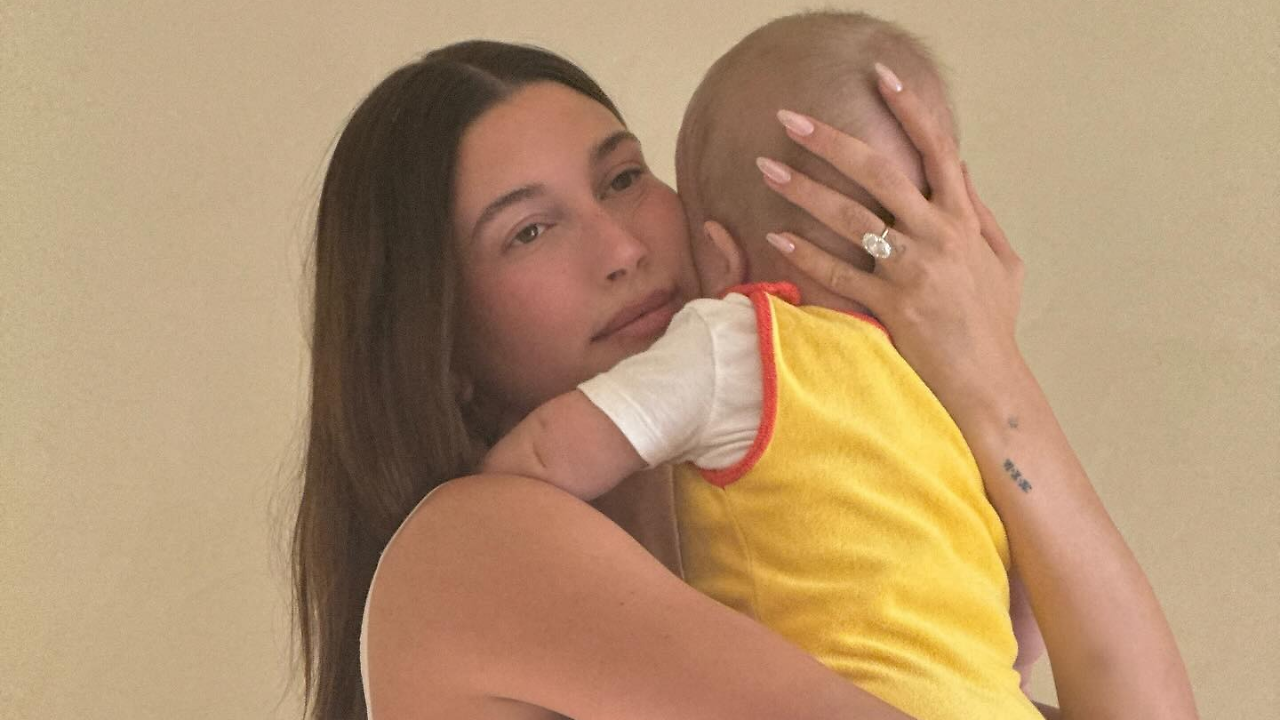
Model and entrepreneur Hailey Bieber recently opened up about her postpartum journey, shifting focus on one of the least-discussed aspects of women’s health: premenstrual dysphoric disorder (PMDD). Hailey said that she experienced PMDD after the birth of her son, Jack Blues Bieber. It is a menstrual health condition that can cause intense emotional and physical symptoms.In an interview with Women's Wear Daily, Bieber spoke about how motherhood drew her towards women's health, especially considering the challenges she faced after childbirth."After I had my son, I struggled with [PMDD] a bit, and there's just not a lot of conversation or research around it," she said.Bieber, who welcomed her son with husband Justin Bieber in August 2024, had previously discussed her diagnosis during an appearance on the SHE MD podcast in March 2026. She said she was diagnosed approximately six months after giving birth.Although she had experienced premenstrual syndrome (PMS) before pregnancy, she noticed that the emotional symptoms leading up to her period had become much more intense."I was like, 'This just feels way more intense than before,' like, the lead-up to getting your period," she said.She said she experienced overwhelming emotions, adding, “Why does it feel like my whole entire life is gonna end? Like, I don't understand.”Bieber said her symptoms gradually improved over time. She also highlighted how speaking about her experience helped her feel less isolated. "Conversation, for me personally, makes me feel less alone," she said.What Is Premenstrual Dysphoric Disorder (PMDD)?Also read: 8 Signs Of 'Pregnancy' That Are Likely PMSPremenstrual dysphoric disorder is a severe form of premenstrual syndrome (PMS) that causes intense emotional, mental and physical symptoms during the days leading up to menstruation.Symptoms usually surface one to two weeks before a period and improve within a few days after menstruation starts.Unlike premenstrual syndrome, PMDD can significantly interfere with a person's ability to work, relationships, social life and other daily activities. According to the UK's National Health Service (NHS), common symptoms include:Severe anxiety, tension or feelings of hopelessnessDepression, sadness or mood swingsIntense irritability or angerFeeling overwhelmed or out of controlReduced interest in everyday activitiesDifficulty concentratingFatigue and sleep disturbancesBreast tenderness, bloating and muscle or joint painChanges in appetite and food cravingsSome women may also experience suicidal thoughts, which makes it important to recognise the condition and seek medical help promptly.PMDD Vs PMSAlso read: The Menstrual Cycle and Nutrition: Does Your Body Really Need Different Foods at Different Times?PMS and PMDD are both caused due to hormonal changes in the menstrual cycle. However, the intensity of symptoms and their effects on daily life distinguish the two conditions.PMS can cause physical and emotional discomfort like bloating, tender breasts, headaches, food cravings, irritability and mood swings in the days leading up to menstruation.PMDD symptoms can be more severe, especially depression, anxiety, irritability and emotional distress. These symptoms can disrupt work, relationships and everyday functioning.PMDD is not just an extreme version of a bad premenstrual week. It is a recognised health condition that may require medical treatment.Why Does PMDD Happen? Experts say that the exact cause of PMDD is not fully understood yet. But they believe it may be due to an increased sensitivity to normal hormonal changes during the menstrual cycle.After ovulation, levels of hormones like oestrogen and progesterone fluctuate. In some individuals, the brain may respond differently to these hormonal changes, affecting mood regulation and other bodily functions. Serotonin, a neurotransmitter involved in regulating mood, sleep and appetite, may also play a role.Hailey Bieber's experience has sparked conversation about PMDD risk after childbirth. Pregnancy, childbirth and the postpartum period involve significant hormonal and physical changes. However, PMDD is linked to the menstrual cycle and its recurring hormonal fluctuations. The return of menstrual cycles after childbirth may make premenstrual symptoms intense. However, there is limited evidence establishing that childbirth directly causes PMDD. PMDD should also not be confused with postpartum depression. Postpartum depression can occur after childbirth and is not restricted to the days before menstruation. PMDD follows a recurring pattern linked to the menstrual cycle. Its symptoms may generally ease after the period begins.