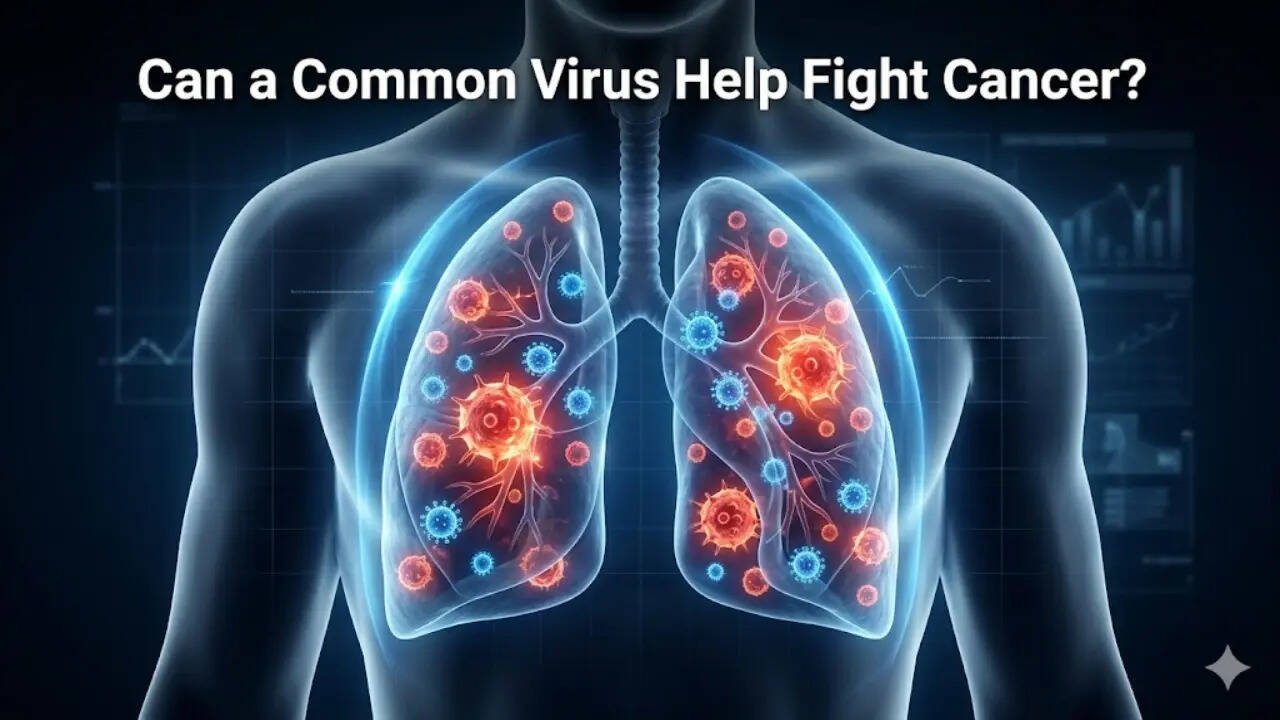
When it comes to living with a common cold, the infection is not as simple as it sounds. There are headaches; you may feel irritable and may even sometimes struggle to sleep properly. A blocked or runny nose may even put you in awkward situations in a social setting; however, a new study says that catching a common respiratory virus could stop breast cancer cells from taking hold of your lungs. Researchers at the Francis Crick Institute in London and Imperial College London have discovered that RSV can benefit cancer patients to a great extent. Find out how.How does RSV lower cancer risk?The study, published in the PNAS journal, found that scientists who conducted tests on mice found that those who fought off RSV infection developed relatively fewer tumours in the lungs, the most common spot for breast cancer cells to spread. When breast cancer spreads to other body parts, it is known as secondary breast cancer. Scientists say that RSV infections have this effect when lung cells detect RSV-like viruses. They then produce immune cells to stop the virus from taking over. This makes it more difficult for cancer cells to form new tumours by taking control in the lungs.For the study, cancer biologists introduced breast cancer cells to mice that had recently experienced an RSV infection. They developed fewer tumours (not smaller) in the lungs compared to mice that were not living with RSV infection. The infection also increases levels of Galectin-9, a protein that is responsible for enhancing the immune response to the virus and also for stopping cancer cells from taking over.What do previous studies indicate?Previous research shows that 60 per cent of stage four breast cancer patients developed tumours in their lungs. At present, the five-year survival rate stands at 30 per cent. Researchers also claim that the findings could pave the way for new treatments that may prevent tumours from spreading. However, it does not mean that RSV infections will be used for cancer treatment. Researchers noted that they can find ways to make the lungs more resistant to the successful seeding of cancer cells that have become metastatic. Experts say that a drug could be developed to replicate the effects observed in mice. Studies in humans can also help confirm whether the effect can be replicated.Is RSV common?RSV is common, but it can be fatal, especially in younger children. The virus results in thousands of hospitalisations every year and may lead to serious complications such as lung infections and pneumonia. The virus is a leading cause of death among babies in the UK, especially during winter. It is also expected to result in the deaths of 8,000 adults during the same period. The infection can put strain on a patient’s heart, causing organs to fail.