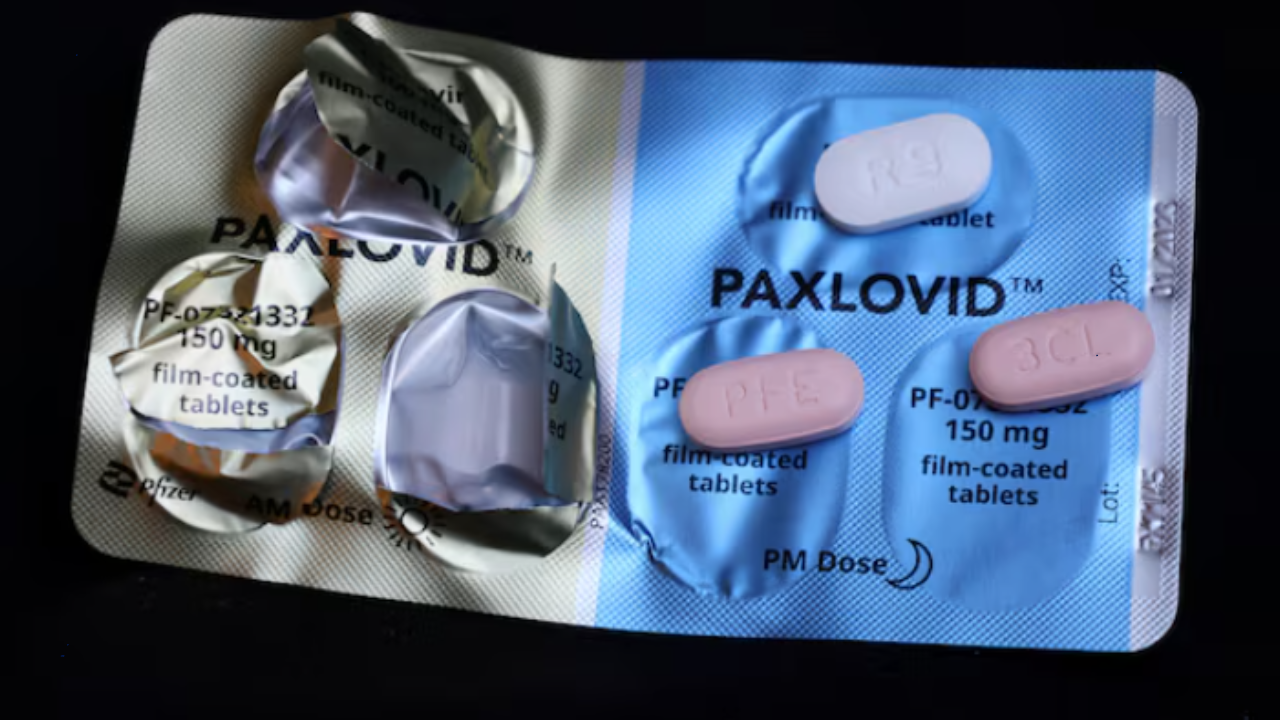
Long COVID—a debilitating condition that can persist for months or even years after a SARS-CoV-2 infection—may be preventable if treatment begins early, according to a new study.Long COVID is an infection-associated chronic condition marked by fatigue, cognitive impairment, exercise intolerance, and multisystem dysfunction. It has affected an estimated 400 million people worldwide and continues to have significant health, social, and economic consequences. Despite the ongoing risk, prevention strategies have received relatively little attention.Now, a landmark randomized trial, published in The Lancet, provides some of the strongest evidence to date that early treatment with the antiviral drug Paxlovid (nirmatrelvir–ritonavir) can reduce the risk of developing Long COVID by 40%. The treatment was effective when started during the acute phase of COVID-19.“The message is profound: what happens in the first few days of COVID-19 may determine health for months—or even years,” said researchers from the University of California, San Francisco.The researchers added that preventing Long COVID "may become the next frontier in COVID care."Paxlovid combines two antiviral medicines—nirmatrelvir and ritonavir—and remains one of the most effective outpatient treatments for people at high risk of severe COVID-19.What Did the Study Find?Researchers conducted a randomized controlled trial in Norway involving patients with acute COVID-19. They found that a five-day course of nirmatrelvir–ritonavir significantly reduced the risk of Long COVID three months after infection.For the study, Long COVID was defined as patient-reported fatigue, shortness of breath (dyspnea), or cognitive symptoms during the post-acute phase.The findings provide some of the first randomized trial evidence that antiviral treatment during acute infection can lower the risk of Long COVID, supporting earlier observational studies.Importantly, the trial was conducted during the circulation of successive Omicron subvariants, from XBB to LP.8.1, making the findings relevant to the current phase of the pandemic.A notable finding was the high rate of Long COVID among participants. In the placebo group, 33 of 77 participants (43%) met the criteria for Long COVID despite widespread vaccine-derived immunity. While vaccination offers partial protection, the study suggests a substantial risk still remains.Why Might Early Treatment Help?The researchers suggest several biological mechanisms that may explain the protective effect of early antiviral treatment:Reducing viral replication early may lower peak viral load and shorten viral shedding, both of which have been linked to Long COVID.Early treatment may limit immune dysregulation, allowing the body's antiviral immune response to control the virus more effectively.Treating the infection during its acute phase may prevent or reduce processes associated with Long COVID, including persistent SARS-CoV-2 infection, herpesvirus reactivation, and immune dysfunction.The trial suggests that early viral replication may trigger "self-sustaining or persistent harmful biological processes" that contribute to Long COVID."Defining these relationships could yield predictive biomarkers and more targeted prevention strategies," the researchers noted.Are There Any Side Effects of Paxlovid?The researchers noted that nirmatrelvir–ritonavir commonly causes dysgeusia (altered taste), which may have influenced how some participants perceived their treatment and reported symptoms. They said future studies should evaluate this possibility and investigate antivirals with less distinctive side-effect profiles.Other common side effects include diarrhea and high blood pressure (hypertension).According to the US Food and Drug Administration (FDA), Paxlovid can also interact with several commonly used medications, including statins. Patients should discuss all prescription drugs, over-the-counter medicines, and supplements they are taking with their healthcare provider before starting treatment.While the current study assessed participants three months after infection, the researchers said longer follow-up is needed to determine whether early antiviral treatment provides durable protection against Long COVID or simply accelerates recovery from acute illness. They also emphasized the need for larger studies to evaluate its impact on severe, disabling forms of Long COVID.