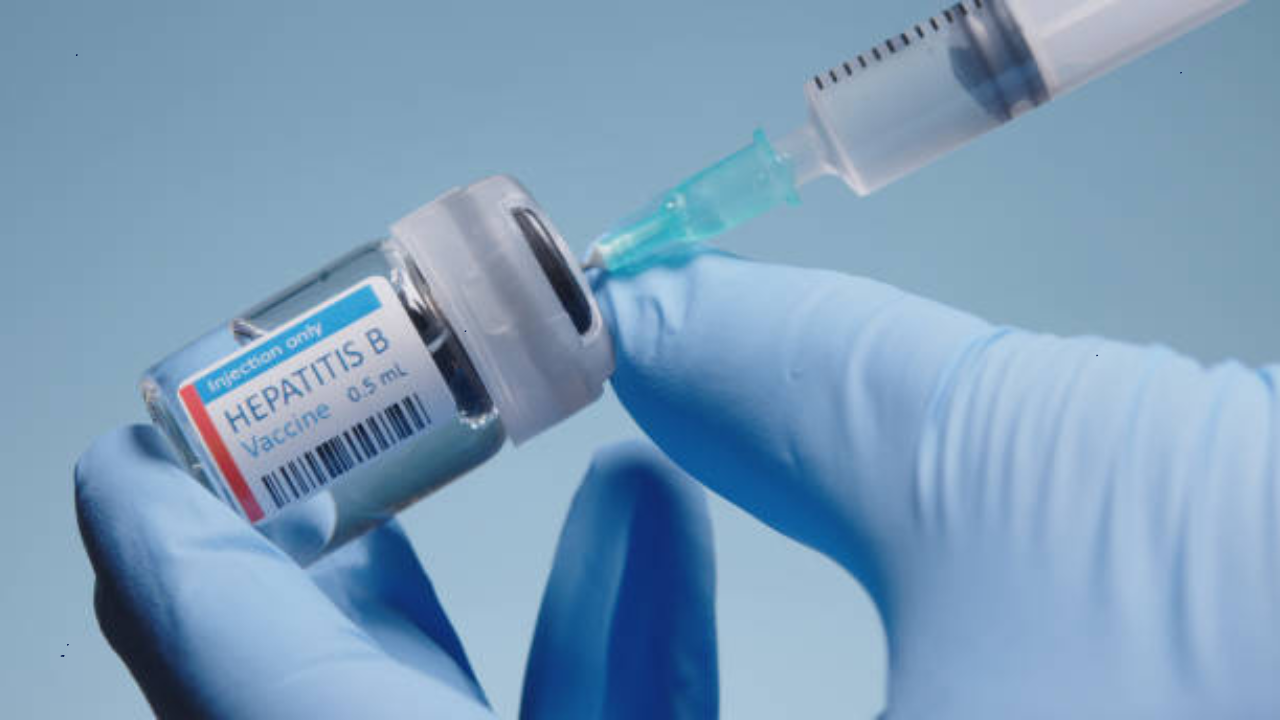
US President Donald Trump-backed decision by the Centers for Disease Control and Prevention (CDC) to stop recommending giving infants a dose of the hepatitis B vaccine within 24 hours after birth is likely to lead to hundreds more infections, deaths, and millions of dollars in higher costs, according to new research. The research, published in JAMA Pediatrics, comes as federal vaccine advisers to Health Secretary Robert F. Kennedy Jr. voted in December 2025 to reverse the long-standing recommendation to delay the first shot until at least two months of age for infants born to mothers who test negative for the virus. While pediatricians, public health experts, and dozens of medical groups warned that it could harm children and their families, the new JAMA studies modelled the potential impact of the policy. What Did The Studies Predict?The first study estimated that delaying the first hepatitis B vaccine dose by two months for babies born in a single year to mothers who tested negative — about 80 percent of the 3.6 million US births annually — would increase lifetime health-care costs by at least $16 million, The Washington Post reported. If vaccination were delayed by seven months, it would cost an additional $19.8 million. The second study modeled what would happen if only 10 per cent of babies born to unscreened mothers received a birth dose; an additional 628 babies would get infected. “One of the most concerning implications is how many more infected Hep B babies will we see,” said co-author Rachel Epstein, a pediatric and adult infectious diseases clinician at Boston Medical Center. “A universal birth dose helps prevent a substantial number of infections in babies of a lifelong condition that we do not have a cure for,” she added.CDC Had No evidence To Overturn Hepatitis B Vaccine PolicySince 1991, all infants born in the US have received the first dose of hepatitis B vaccine within 24 hours of birth, a strategy that led to close to a 99 percent decline in infections among children. Calling the universal birth-dose policy "a safety net", public health and medical experts noted that nearly 15 percent of pregnant women miss recommended hepatitis B screening. More than half of those who test positive do not receive appropriate follow-up care. Delaying the initial dose also decreases the likelihood that a child will complete the three-shot series needed for full protection, hepatitis experts have said. The authors argued that the CDC advisory panel departed from standards established for over three decades and failed to weigh key evidence. “We noticed that the committee did not have the evidence they needed to inform their decision,” co-author Eric Hall, an assistant professor of epidemiology at Oregon Health and Science University, was quoted as saying to The Post. “But this group kind of blew past all that and didn’t make any effort to fill the evidence gaps that they might have had. They just went ahead anyway.”Also read: Hepatitis Infections Claims 1.3 Million Lives Worldwide, India Among Top Contributors: WHO What is Hepatitis B? Hepatitis B is a viral infection that affects the liver. It is highly contagious and spreads when blood, semen, or other bodily fluids from a person who carries the virus enter the body of someone who is not infected. Hepatitis B can also pass from an infected mother to her baby during childbirth, whether through a vaginal delivery or a C-section. It is the most common route of transmission. Vaccination is the most reliable way to prevent hepatitis B. The shots offer strong protection in infancy and continue to shield individuals well into adulthood.Babies usually receive a three-dose series. A scientific review by the Vaccine Integrity Project found that 95 percent of healthy infants develop enough immunity after the third dose. The vaccine also lowers the risk of infection by nearly 70 percent in babies born to mothers who have hepatitis B.