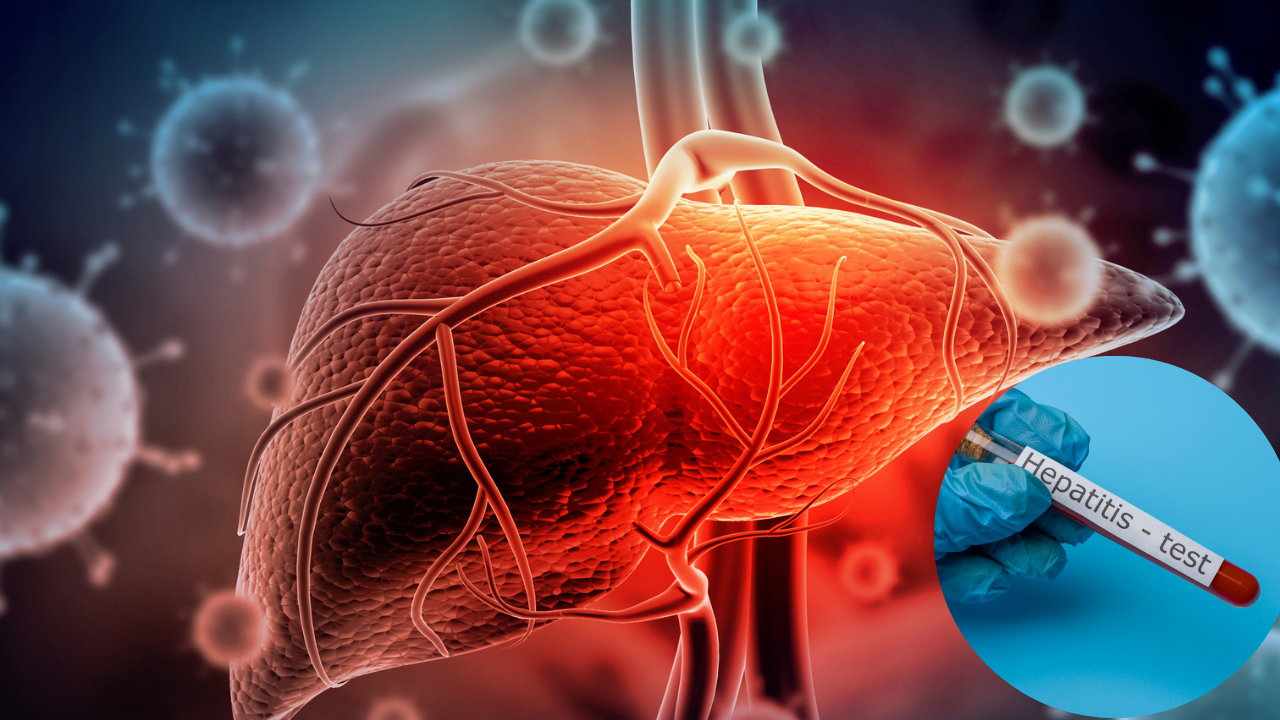
Viral hepatitis B and C – responsible for 95 per cent of hepatitis-related deaths worldwide – caused 1.3 million deaths worldwide, according to the Global Hepatitis Report 2026, released today by the World Health Organization. Of these, 1.1 million people died from hepatitis B and 240,000 from hepatitis C. Liver cirrhosis and hepatocellular carcinoma were the main causes of hepatitis related deaths, stated the report released at the World Hepatitis Summit.Further, India emerged among the 10 countries that account for 69 per cent of global hepatitis B-related deaths. The country is also among the 10 countries contributing to 58 per cent of hepatitis C-related deaths worldwide. The Global Hepatitis Burden And Treatment GapDespite being preventable and treatable, transmission of hepatitis continues, with more than 4,900 new infections every day, or 1.8 million each year. As per the WHO report, a whopping 287 million people were living with chronic hepatitis B or C infection in 2024. The same year, 0.9 million people were newly infected with hepatitis B. The WHO African Region accounted for 68 per cent of new hepatitis B infections, yet only 17 per cent of newborns in the region received the hepatitis B birth-dose vaccination. Another 0.9 million hepatitis C infections were recorded in 2024. People who inject drugs accounted for 44 per cent of new infections, highlighting the urgent need for stronger harm reduction services and safe injection practices. Of the 240 million people with chronic hepatitis B in 2024, fewer than 5 per cent were receiving treatment. Similarly, only 20 per cent of people with hepatitis C have been treated since 2015. Hepatitis: Measurable Gains Notably, global efforts to combat viral hepatitis have also delivered measurable progress in reducing infections and deaths since 2015. The annual number of new hepatitis B infections has dropped by 32 per cent, and hepatitis C-related deaths have fallen by 12 per cent globally. Hepatitis B prevalence among children under five has also decreased to 0.6 per cent, with 85 countries achieving or surpassing the 2030 target of 0.1 per cent. “Around the world, countries are showing that eliminating hepatitis is not a pipedream, it's possible with sustained political commitment, backed by reliable domestic financing,” said Dr Tedros Adhanom Ghebreyesus, WHO Director-General. “At the same time, this report shows that progress is too slow and uneven. Many people remain undiagnosed and untreated due to stigma, weak health systems, and inequitable access to care. While we have the tools to eliminate hepatitis as a public health threat, urgent scale-up of prevention, diagnosis, and treatment is needed if the world is to meet the 2030 targets,” he added. Hepatitis: How To Prevent The report noted that highly effective tools to combat hepatitis infections are already available. These include the hepatitis B vaccine, which protects more than 95 per cent of vaccinated people against both acute and chronic infections. Further, the long-term antiviral treatment for hepatitis B can also help effectively manage chronic infection and prevent severe liver disease. Another is the Hepatitis C short-course curative therapy which lasts 8-12 weeks and can cure more than 95 per cent of infections.The report identifies priority actions to accelerate hepatitis elimination as a public health threat. These include:Scaling up treatment for chronic hepatitis B infection, Stronger political commitment and financing, Improved coverage of hepatitis B birth-dose vaccination Expanded antiviral prophylaxis to prevent mother-to-child transmission of HBV infection Improve injection safety in both health-care settings and community practices.