
- Health Conditions A-Z
- Health & Wellness
- Nutrition
- Fitness
- Health News
- Ayurveda
- Videos
- Medicine A-Z
- Parenting
Changes In Hepatitis B Vaccination Guidelines Could Lead To A Resurgence Of The Disease
Credits: iStock
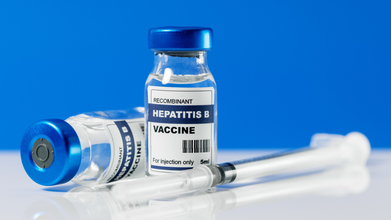
Hepatitis B: Changes in hepatitis B vaccine schedule in children could lead to resurgence of the disease, warn health officials. This comes after the Vaccine advisers for the US Centers for Disease Control and Prevention (CDC), known as the Advisory Committee on Immunization Practices (ACIP) met on Thursday to discuss the hepatitis B vaccine guidelines for newborns. The meeting was held to discuss the potential changes to the childhood immunization schedule, the vote is delayed until Friday.
However, there are several changes suggested that say only infants born to mothers who test positive for hepatitis B, or whose status is unknown would receive the birth dose. The potential changes also hint that babies whose mothers test negative could delay their first dose until the baby is two months old, instead of receiving it within the first 24 hours.
Why Are Health Experts Warning Against These Changes?
According to the local health experts, these guidelines could lead to a resurgence of the disease. These guidelines have been in place since the 1990s. Dr Hector Ocaranza, El Paso Health Authority, as reporting by KFoxTv, said, "This vaccine can be considered a vaccine that is going to be preventing cancer because hepatitis B virus is considered a carcinogen, meaning that this virus is going to cause liver cancer, and that's what we're trying to prevent in children."
Ocaranza further noted, "Changing the recommendation is going to create a lot of those infections coming back, and we're going to start seeing children that are going to be infected with a hepatitis B virus."
Doctors and scientists have noted that if the vaccine is delayed from birth to two months, it could lead to at least 1,400 new infections, 300 cases of liver cancer, and 480 preventable deaths every year. The shift would also add more than 222 million dollars in extra healthcare costs annually.
While there are mixed reactions in the community, the medical community mostly agree on the fact that vaccine should be mandatory for all children. Many stress on the importance of vaccines at birth. While the recommendation is not final yet as ACIP is to set to revisit the proposal tomorrow. Even if it passes, it requires approval from the CDC director before it becomes a national guidance.
Are There Any Negative Side Affects On Health After Receiving The Hepatitis B Vaccine At Birth?
As for now, no new evidence on harms of the vaccines has been revealed. The vaccine is administered to 1.4 bullion for more than three decades. Experts have pointed out that the vaccine has a "stellar safety record". This was also presented during the meeting. In fact, two members also demanded the evidence of any harm from the vaccine while pointing to its benefits. However, the members were interrupted by the vice-chair. Most members in the committee are hand-picked by the anti-vaxxer US health secretary Robert F Kennedy Jr, and those members too are long time anti-vaccine advocates.
This is not the first time discussion on delaying safe and life saving vaccines are taking place. Previous meetings where advisors recommended restricting access to COVID vaccines, and measles, mums and rubella, and chickenpox vaccines have already been taken.
The experts point out that infant immunization is directly linked to a 99% decline in acute hepatitis B cases in children, adolescents and young adults between 1990 and 2019. Experts also point out that holding discussions on well established vaccines without changing recommendation, too gives an impression that science is not clear, pointed Debra Houry, who was the chief medical officer of the CDC until this year, as reported by Guardian.
“For parents, they’re going to be very confused. They might question the whole vaccine schedule, or why things are done the way they are," Houry said.
FDA Reports Seven Deaths, 736 Serious Injuries Tied To Faulty Glucose Monitoring Devices
CREDITS: CANVA
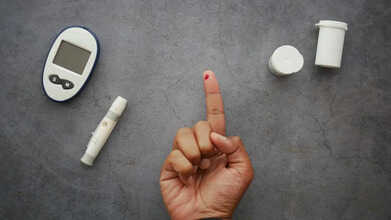
Malfunctioning glucose sensors made by Abbott Diabetes Care have been tied to more than seven hundred serious medical events and seven possible deaths, according to updates from both Abbott and the Food and Drug Administration (FDA). The company issued a public notice on November 24 and sent letters to those who may be affected, explaining that it had begun a “medical device correction” for select FreeStyle Libre 3 and FreeStyle Libre 3 Plus sensors.
On December 2, the FDA released an early safety communication, which is the type of alert shared when a product is corrected or removed because of a significant risk before the agency can determine whether an official recall is necessary.
FDA: Seven Deaths Possibly Linked To Malfunctioning Glucose Monitors
Some FreeStyle Libre 3 sensors may show falsely low blood sugar levels, which can lead people with diabetes to make treatment choices that are not appropriate for their actual condition. When someone’s glucose appears low, they might delay their insulin dose or skip it altogether, or they may eat more carbohydrates in an effort to raise their levels, as noted by USA Today.
When treatment decisions are based on incorrect readings, blood sugar can quickly become unstable. Poor glucose control can result in dangerous medical complications, including injury or even death. Problems linked to mismanaged diabetes can include diabetic ketoacidosis, heart issues, stroke, kidney damage, nerve and eye problems, and a higher chance of infection.
USA Today reports that the issue affects nearly three million Libre 3 and Libre 3 Plus sensors sold in the United States, and Abbott estimates that roughly half of them have already been used or have expired. Worldwide, the company has received 736 reports of severe adverse events (57 in the U.S.) and seven reports of deaths (none in the U.S.) that may be associated with this problem.
Which Abbott Diabetes Care Products Are Impacted?
Only specific FreeStyle Libre 3 and FreeStyle Libre 3 Plus Continuous Glucose Monitoring Systems are affected. The FreeStyle Libre 3 handheld reader and mobile app are working normally.
No other Libre devices (FreeStyle Libre 14-day, FreeStyle Libre 2, FreeStyle Libre 2 Plus, or the FreeStyle Libre Pro sensors) or Abbott biowearable products are involved.
FreeStyle Libre 3 Sensor
- Model Numbers: 72081-01, 72080-01
- Unique Device Identifiers (UDI-DI): 00357599818005, 00357599819002
FreeStyle Libre 3 Plus Sensor
- Model Numbers: 78768-01, 78769-01
- Unique Device Identifiers (UDI-DI): 00357599844011, 00357599843014
The serial number for a FreeStyle Libre 3 or FreeStyle Libre 3 Plus sensor is available in the app or reader, and it is also printed on the label at the bottom of the sensor applicator or on the carton. Consumers who are wearing a sensor that has been confirmed as part of the affected group should stop using it at once and safely discard it.
Hepatitis B: CDC Panel To Review New Vaccine Guidance, Here’s What To Expect
Credits: Canva
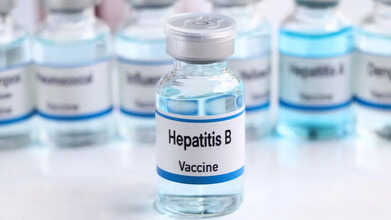
The Centers for Disease Control and Prevention’s vaccine advisory committee will meet on Thursday and Friday to review the childhood vaccination schedule, look at adjuvants and possible contaminants, and revisit hepatitis B immunisation guidance.
This will be the third gathering this year of the Advisory Committee on Immunization Practices (ACIP) after Health and Human Services Secretary Robert F. Kennedy Jr. dismissed all 17 former members and brought in his own choices, many of whom have openly questioned long-standing vaccine policies.
It is also the first meeting since ACIP chair Martin Kulldorff, a former Harvard Medical School professor, accepted a permanent job at HHS. Pediatric cardiologist and former U.S. Air Force flight surgeon Dr. Kirk Milhoan will lead the committee during this session.
Hepatitis B: CDC Vaccine Advisory Committee Meeting
The latest battle in the US’ growing political, cultural, and scientific debate over vaccines will unfold inside a CDC meeting room in Atlanta later this week.
There, a key CDC advisory group — now entirely appointed by Kennedy who will vote on proposals that could significantly change long-accepted guidance meant to shield newborns from hepatitis B, a virus known to cause liver cancer.
The two-day ACIP meeting comes shortly after Kennedy instructed the CDC to alter language on its website, downplaying the agency’s long-standing statement that vaccines do not cause autism, even though extensive research has repeatedly found no connection.
Here is what public health experts say they will be watching during this week’s meeting, which will be livestreamed on Thursday and Friday.
Hepatitis B: Votes May Delay Or Limit Babies’ Protection Against Hepatitis B
According to the meeting agenda, Thursday’s discussions and votes will centre on major changes to hepatitis B guidance. Overnight, the committee released draft wording for two recommendations.
As per CNN, the first proposal would shift the current universal recommendation for newborn hepatitis B vaccination to an “individual-based decision” made by parents and a healthcare provider for babies born to mothers who test negative for the virus or whose status is unknown.
The language also gives parents and clinicians the freedom to “decide when or if their child will begin the HBV series.”
The second vote concerns draft wording that encourages parents to talk with clinicians about blood tests to check immunity levels before later hepatitis B doses. The draft states that insurance should cover these tests.
Currently, all newborns are advised to receive the vaccine shortly after birth to protect against infection from an undetected maternal case and from close contacts who may unknowingly carry the virus.
Committee members have previously urged better hepatitis B screening during pregnancy, while others have questioned whether only high-risk infants should get the vaccine.
Hepatitis B: How Contagious Is It?
Hepatitis B is highly contagious. It spreads through contact with infected blood and bodily fluids, often from people with no symptoms. While it can be passed during birth, through sex, or shared needles, it can also spread through shared items found in many homes: nail clippers, toothbrushes, and even certain pieces of jewellery.
Childhood And Adolescent Immunisation Schedule
It is not yet clear what parts of the schedule will be reviewed. The early agenda listed this topic for Friday without details. The final agenda shows that attorney Aaron Siri, a close adviser to Kennedy, will speak on this.
Critics, including Kennedy, have raised questions about the number of vaccines children receive and the timing between doses.
Discussion of “Adjuvants And Contaminants” In Vaccines
According to ABC News, the draft agenda included a Friday session on adjuvants and contaminants. The final programme describes the talk as examining aluminium exposure from vaccines before 24 months and rates of persistent asthma between ages 24 and 59 months.
Aluminum salts are used in several vaccines — including diphtheria, tetanus, acellular pertussis, hepatitis A, and hepatitis B—to strengthen the immune response, according to CNN.
The ACIP meeting also follows last week’s internal FDA memo claiming that Covid-19 vaccines may be connected to the deaths of ten children. Lakshmanan, O’Leary, and others say the committee could raise the issue during the discussions.
Donald Trump’s Health Back In Spotlight After He Seems To Doze Off In Cabinet Meeting
Credits: AP
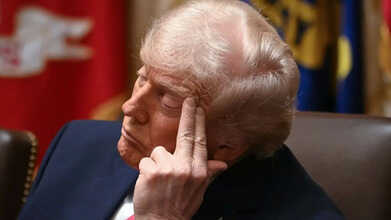
US President Donald Trump was seen struggling to stay alert several times during a three-hour Cabinet meeting on Tuesday. Footage showed the 79-year-old president narrowing his eyes again and again and briefly closing them fully, even as Cabinet officials spoke about their work and praised his leadership.
At one point, he appeared to drift off while Commerce Secretary Howard Lutnick addressed the room before shifting forward to reply. His tired look followed a long night on Truth Social, where he posted more than 160 times between 7 p.m. and midnight on Monday and resumed posting shortly before 6 a.m. on Tuesday, which added to the growing discussion around his health.
Donald Trump Appears to Fight Sleep During Televised Cabinet Meeting
President Donald Trump seemed to lose focus multiple times during the Dec. 2 Cabinet meeting. He repeatedly narrowed his eyes and, at one moment, kept them fully closed as his team outlined their achievements and spoke in his praise. While Howard Lutnick shared an update on the Commerce Department, Trump kept his eyes shut for several seconds before leaning in to answer him.
The president’s drained appearance followed a night of heavy activity on Truth Social, where he uploaded more than 160 posts from early evening to midnight on Dec. 1. He returned to the platform by 5:48 a.m. the next morning.
When PEOPLE reached out for comment, the White House shared a statement from press secretary Karoline Leavitt. She said, “President Trump was listening closely and leading the three-hour Cabinet meeting,” before repeating a recent administration claim that Somali immigrants do not belong in Minnesota.
She continued, “Watch his strong closing remarks in the press conference, where he called out America-Last Democrats for allowing radical Somali migrants to take advantage of American taxpayers.” She said that this moment captured the energy of Trump’s ninth Cabinet meeting of his second term, all of which have been fully open to the press.
“In each of these meetings,” she added, “the President and his team lay out the long list of accomplishments they have delivered for the American people to Make America Great Again.” Last year, Trump rejected reports that he had fallen asleep during his criminal trial in New York. Multiple outlets had described him slipping into brief naps, with The New York Times noting, “Mr. Trump appeared to nod off a few times, his mouth going slack and his head drooping onto his chest,” which Trump denied.
Donald Trump Health Questions Surge As He Was Caught Sleeping
Donald Trump is once again facing scrutiny over his health after a new video showed him looking sleepy during a Cabinet meeting. His slow eye movements and long pauses with his eyes shut set off fresh conversations online. A separate photograph from Mar-a-Lago, where he appeared with his eyes closed and mouth open, fuelled more worry.
As per PEOPLE, at the same time, an image of Joe Biden looking lively during a walk in Nantucket led to a wave of side-by-side comparisons on social media. The White House maintains that Trump remains in “excellent health”, pointing to recent tests, though his unclear remarks about undergoing an MRI have added to public questions. With both leaders under a microscope, discussions about presidential fitness have returned with new intensity.
Donald Trump MRI Scan Results
The White House on Monday released details from Donald Trump’s MRI, which he completed last month as concerns about his health continued. In a statement, Navy Captain Sean Barbabella, the physician to the president, outlined the results of Trump’s advanced imaging. He said the scan focused on Trump’s heart and abdominal region, showed no issues, and confirmed that the president is in “excellent health”. This type of preventive testing is common for men in his age group.
Even so, with this being his second MRI this year, speculation has grown about whether Trump is dealing with any health problems, and the recent moment where he seemed to fall asleep has heightened that speculation.
- Follow Us :


© 2024 Bennett, Coleman & Company Limited