
- Health Conditions A-Z
- Health & Wellness
- Nutrition
- Fitness
- Health News
- Ayurveda
- Videos
- Medicine A-Z
- Parenting
Checklists And Safety Precautions Before, During And After Surgery
Checklists And Safety Precautions Before, During And After Surgery
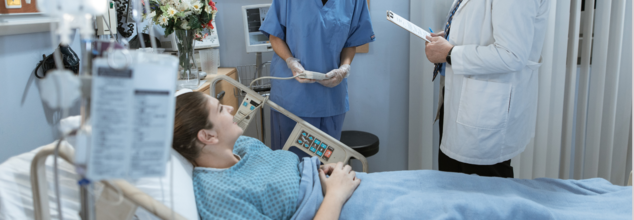
Patient safety is the foundation of modern healthcare. The World Health Organization has recognized its critical importance by declaring September 17 as World Patient Safety Day. This observance aims to enhance global understanding of patient safety, encourage public participation, and support worldwide initiatives to reduce patient injury.
According to Associate Consultant in Internal Medicine, Dr. Mahadev Pokale, "Patient safety is not a step but a continuous process. From pre-operative evaluation to post-operative care, every stage is crucial for minimizing risks and ensuring optimum outcomes." Let's begin with the safety measures prior to, during, and after surgery.
Before Surgery
Preparation before a surgical procedure is as significant as the process itself. Right planning prevents risks and ensures readiness to deal with any surprise complication by the medical staff involved.
1. Full Medical Check-Up
Start with a detailed consultation with your physician and surgeon. Inform them of your complete medical history, including existing conditions, allergies, and medications. Dr. Pokale advises, "A pre-operative consultation helps address underlying health issues and sets the stage for a smooth surgical experience."
2. Understanding the Procedure
Make sure you fully understand the surgery, its benefits, and potential risks. If in doubt, seek a second opinion. Being informed empowers you to make decisions confidently and reduces anxiety.
3. Preparing Physically and Mentally
- Follow your doctor’s instructions regarding fasting (usually eight hours before surgery) to avoid complications during anesthesia.
- Discontinue medications like blood thinners if instructed by your doctor.
- Hygiene: Keep your house clean. Remove tripping hazards. Stock up essential supplies.
4. Practical Arrangements
Make arrangement for someone to take you to and fro from the hospital as you might not be able to drive back home.
During Surgery
The surgical process itself involves several safety protocols in order to ensure accuracy and minimize risks. The WHO Surgical Safety Checklist is pivotal for this purpose, and divides the operation into three phases: Sign-In, Time-Out, and Sign-Out.
1. Sign-In: Before Anesthesia
The surgical team will confirm your identity, procedure, and surgical site. This stage ensures all important information is the same as that listed on the consent form. All allergies to medications and previous adverse reactions to anesthesia are also confirmed.
2. Time-Out: Pre-Incision
This stage is an emphasis on teamwork and communication. Everyone in the room introduces himself and his plan:
- Surgical Plan: The surgeon verifies the procedure and verifies all instruments and equipment are ready.
- Nursing Plan: Nurses check equipment and supplies.
- Anesthesia Plan: The anesthesiologist verifies readiness and availability of specialty equipment if necessary.
At this point, antibiotics may also be given to minimize the risk of infection.
3. Sign-Out: Upon Leaving the Operating Room
When the surgery is complete, the team verifies:
- Documentation of the procedure, anesthetic used, and complications.
- Specimens are correctly labeled for testing.
- Equipment checks and instrument counts are done to avoid retained surgical items.
- A preliminary discussion of the postoperative recovery plan.
After Surgery
Postoperative care is an extension of patient safety. Recovery is sensitive, and strict adherence to medical recommendations is necessary during this phase.
1. Follow-Up Care
In follow-up visits with your doctor, progress monitoring and concern addressing are accomplished. The dressing changes and visits to the surgical site frequently will prevent infections and complications during healing.
2. Medicine and Pain Management
Take all the prescribed painkillers and antibiotics. Do not use too many pain medications; instead, try other techniques such as deep breathing and meditation to handle pain.
3. Physiological Recovery
Do not do heavy lifting. Gradually return to routine as recommended. Rest is very important; however, bed rest should not be total unless so advised. Gentle activity can aid in blood circulation and recovery.
4. Diet and Fluids
A well-balanced diet full of fruits, vegetables, and whole grains will support recovery. Drinking enough fluids and getting the right nutrients helps rebuild strength.
5. Being Aware of Warning Signs
Be aware of signs of infection such as swelling, redness, or fever. Get medical attention right away if you experience excessive bleeding or other unusual symptoms.
Why Safety is a Shared Responsibility
Patient safety is not the sole responsibility of the healthcare providers but also requires active participation from the patient. Effective communication, informed decision-making, and adherence to medical advice are all essential elements of a successful surgical journey.
As Dr. Pokale aptly puts it, "Every step—from consultation to post-operative care—is a building block in the larger framework of patient safety. A collaborative approach between patients and healthcare providers ensures the best possible outcomes."
Dr. Mahadev Pokale is a Associate Consultant Internal Medicine at Manipal Hospital, Goa, India.
Nipah Virus Outbreak In India: Doctor Says Wider Spread Is Unlikely
Credits: Canva
Nipah virus outbreak in West Bengal has raised concerns across India and in parts of Asia, triggering screenings at airports. India's Ministry of Health clarified on Tuesday that "speculative and incorrect figures regarding Nipah Virus Disease cases are being circulated in certain sections of the media”. This statement was regarding the higher number of cases reported by the media in Kolkata hospital. The statement stressed on the fact that only two cases have been centrally confirmed in West Bengal since December.
Nipah Virus Outbreak India: Can This Infection Become The Next Pandemic?
Many are worried about the Nipah virus outbreak and are speculating whether this could spread to an extent that it could become the next pandemic. Dr T.S. Anish, professor of community medicine and nodal officer for Nipah at the Kerala One Health Centre for Nipah Research and Resilience, as reported by South China Morning Post, said health authorities closely monitor all suspected Nipah cases to make sure no infections are missed. However, he explained that most people who are tested eventually turn out to be negative.
“Out of 100 suspected cases, almost all are usually negative,” he said. He added that tracing every contact of a Nipah patient is difficult, so there is always a chance that a case may appear outside the known contact list. Still, he believes the current outbreak is likely to remain small, affecting fewer than 10 people.
Read: Nipah Virus Outbreak in India, Travelers Screened At Airports
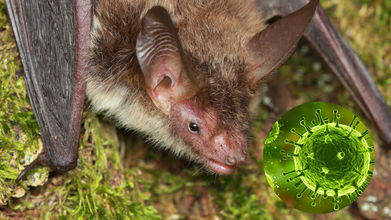
Nipah virus mainly circulates among animals, especially fruit bats, across large parts of Asia. Human outbreaks, however, tend to be limited to specific areas. In South Asia, cases have appeared off and on in Bangladesh and India over the past 20 years, mostly between December and April. Many infections have been linked to people drinking raw date palm sap contaminated by bats.
Kerala has reported Nipah cases occasionally in recent years, including 19 cases in 2019 and six in 2023.
Some medical experts say large outbreaks usually happen only when there are early super-spreader events and continuous person-to-person transmission. That appears unlikely now, as enough time has passed since the cases in West Bengal were identified.
Amir Ullah Khan, professor of health economics at Manipal University, said the timing of the cases raised concern because it coincided with preparations for Lunar New Year travel across Asia. However, he said widespread screening at airports should help prevent the virus from spreading further.
Also Read: Nipah Virus Outbreak In India: All That You Need To Know About This Infection
“If airports continue proper screening, there should not be a major risk of a wider outbreak,” he said, adding that precautions should continue without causing the kind of discomfort passengers experienced during the Covid pandemic.
Nipah Virus Outbreak: Travel Restrictions
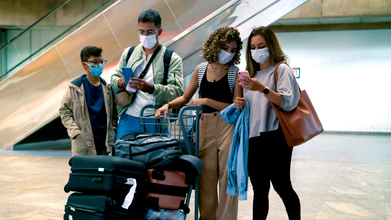
After two cases were reported in India's West Bengal, concerns have sparked in many parts of Asia, and measures at airports have been tightened.
- Thailand has begun screening passengers at three airports that handle flights from West Bengal.
- Nepal has also stepped up checks, screening arrivals at Kathmandu airport as well as at several land border crossings with India.
Nipah virus spreads from animals to humans and carries a high fatality rate, estimated to be between 40 percent and 75 per cent. At present, there is no approved vaccine or specific treatment for the infection.
Nipah Virus Outbreak In India: All That You Need To Know About This Infection
Credits: iStock
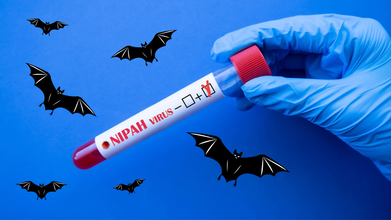
Nipah virus outbreak in West Bengal has raised concerns in parts of Asia. This has also led some airports to implement precautionary health screenings. As of now, five infections have been reported from the state, including two nurses, a doctor, hospital staff and some patient. According to India's health ministry, 196 people are known to be in contact with the infected individuals, however, when tested, the results came out negative.
Nipah Virus Outbreak India: How Contagious Is This Disease?
Nipah virus is infectious and can spread from animals like bats and pigs to humans through bodily fluids or contaminated food. It can also pass between people through close contact, especially in caregiving settings. While it can spread via respiratory droplets in enclosed spaces, it is not considered highly airborne and usually requires close, prolonged contact for transmission. Common routes include direct exposure to infected animals or their fluids, consuming contaminated fruits or date palm sap, and contact with bodily fluids such as saliva, urine, or blood from an infected person.
Read: Nipah Virus Outbreak in India, Travelers Screened At Airports
People most at risk of Nipah virus are those who are more likely to come into close contact with infected animals or patients. This includes:
- Healthcare workers caring for Nipah patients, especially without proper protective equipment
- Family members and caregivers who have close physical contact with infected individuals
- People living near bat habitats, particularly fruit bat roosting areas
- Those who consume contaminated food, such as raw date palm sap or fruits partially eaten by bats
- Farmers, animal handlers, and slaughterhouse workers who work with pigs or other animals that can carry the virus
- Residents of outbreak-prone regions in India and Bangladesh, where Nipah cases recur
- People with weak immunity, who may develop more severe illness after infection
- Close, prolonged contact is the biggest risk factor. Casual contact in public spaces is far less likely to spread the virus.
What Is Nipah Virus?
As per the World Health Organization (WHO), Nipah virus infection is a zoonotic illness that is transmitted to people from animals, and can also be transmitted through contaminated food or directly from person to person.
In infected people, it causes a range of illnesses from asymptomatic (subclinical) infection to acute respiratory illness and fatal encephalitis. The virus can also cause severe disease in animals such as pigs, resulting in significant economic losses for farmers.
Although Nipah virus has caused only a few known outbreaks in Asia, it infects a wide range of animals and causes severe disease and death in people.
Also Read: Nipah Virus Outbreak In India: How Did It All Begin?
Nipah Virus Symptoms
- Fever
- Headache
- Breathing difficulties
- Cough and sore throat
- Diarrhea
- Vomiting
- Muscle pain and severe weakness
Nipah Virus Outbreak: Origin
The original infection was first identified in September 1998 in Perak, Malaysia, which was followed by second and third clusters in the state of Negri Sembilan, notes a 2021 study that tracks the evolution of the virus. The cases were prominent in adult men who were in contact with swine. By March 1999, a cluster of 11 similar cases were identified in Singapore, mostly common in slaughterhouse workers, who were in contact with pigs imported from Malaysia.
Then appeared a new, distinct strain of Nipah virus with infection which was characterized largely by severe respiratory symptoms. In 2000-2001, Bangladesh and India were affected.
It was later revealed that due to the consumption of raw date palm juice, the infection developed. This is because bats also are carrier of the virus and they may bite into raw fruits or lick them, and consuming juice from such fruits could spread the infection. This was a common practice in Bangladesh and much of South Asia.
Donald Trump Alzheimer’s Speculation Rises After Niece Notices Worrying Sign

Credits: AP/Canva
Donald Trump's niece has suggested her uncle may be showing signs of Alzheimer's disease after noticing a concerning facial expression. Mary Trump, a well-known critic of her uncle who frequently speaks about him on her YouTube channel, has implied that he could have the degenerative condition, noting similarities to her late grandfather, who also suffered from Alzheimer's.
Donald Trump's Niece Says He May Have Alzheimer's
As per UK Express, Mary highlighted that she has seen resemblances to Fred Trump, Donald's late father and former real estate magnate, who battled Alzheimer’s before passing away more than 25 years ago in 1999 at the age of 93. Speaking last year, Mary recounted witnessing her grandfather’s decline and suggested that Donald sometimes doesn’t seem “oriented,” pointing to a particular look. Talking about her grandfather, she told New York Magazine: "One of the first times I noticed it was at some event where he was being honored. And I looked at him and saw this deer-in-the-headlights look, like he had no idea where he was."
In further remarks, Mary said she now notices what the publication described as “flashes” of her grandfather in her uncle when she sees him on stage, pointing out the same “deer-in-the-headlights” expression.
She added: "Sometimes it does not seem like he's aware of time or place. And on occasion, I do see that deer-in-the-headlights look."
Donald Trump Rejects Alzheimer’s Claim
Meanwhile, the former US President has rejected such claims, previously stating that he “aced” three cognitive tests and insisting there is no possibility of him having Alzheimer's disease.
In a conversation with the magazine, Trump also reflected on his father’s diagnosis: "He had one problem. At a certain age, about 86, 87, he started getting what do they call it?"
His press secretary, Karoline Leavitt, supplied the term for Trump, who referred to it as an “Alzheimer’s thing,” asserting that he did not “have it.” The health of the 79-year-old has been the subject of much public speculation recently, with observers noting bruises on his hands, what appear to be swollen ankles, and rambling speech.
However, in October last year, reports indicated that Trump had undergone a “routine yearly checkup” at the Walter Reed Medical Center in Bethesda, Maryland.
His physician, Navy Capt. Sean Barbabella, stated in a one-page note: "President Donald J. Trump remains in exceptional health, exhibiting strong cardiovascular, pulmonary, neurological and physical performance."
What Is Alzheimer’s?
According to the UK’s National Health Service (NHS), Alzheimer’s is the most common cause of dementia, a term used to describe a group of symptoms linked to progressive brain function decline. Memory problems are often one of the earliest signs, but as Alzheimer’s progresses, people may experience confusion, disorientation, difficulty with language and speech, and changes in behavior.
What Health Condition Has Trump Been Diagnosed With?
Earlier this year, the White House revealed that Trump has chronic venous insufficiency (CVI), a common vascular condition in which veins in the legs struggle to return blood efficiently to the heart. This disorder can result in swelling and discomfort in the legs.
On October 10, Trump made another visit to Walter Reed National Military Medical Center. His spokesperson, Karoline Leavitt, described it as a “routine annual check-up,” despite it being his second visit to the facility in six months. Dr. Sean Barbabella, the White House physician, did not disclose details of any imaging or preventive tests conducted during the appointment but stated that Trump’s lab results were “exceptional” and his cardiac health appeared about 14 years younger than his chronological age.
On October 27, Trump mentioned that he had an MRI scan during a previous visit to Walter Reed. He claimed the results showed “some of the best reports for the age” and “some of the best reports they’ve ever seen,” though the lack of specifics has fueled continued speculation about his health.
Trump has also spoken about taking the Montreal Cognitive Assessment (MoCA), a test designed to detect cognitive decline, but has described it as a “very difficult IQ test.” It is unclear whether another MoCA test was conducted during his October visit or if he was referencing the assessments he undertook in April 2025 or January 2018.
- Follow Us :


© 2024 Bennett, Coleman & Company Limited