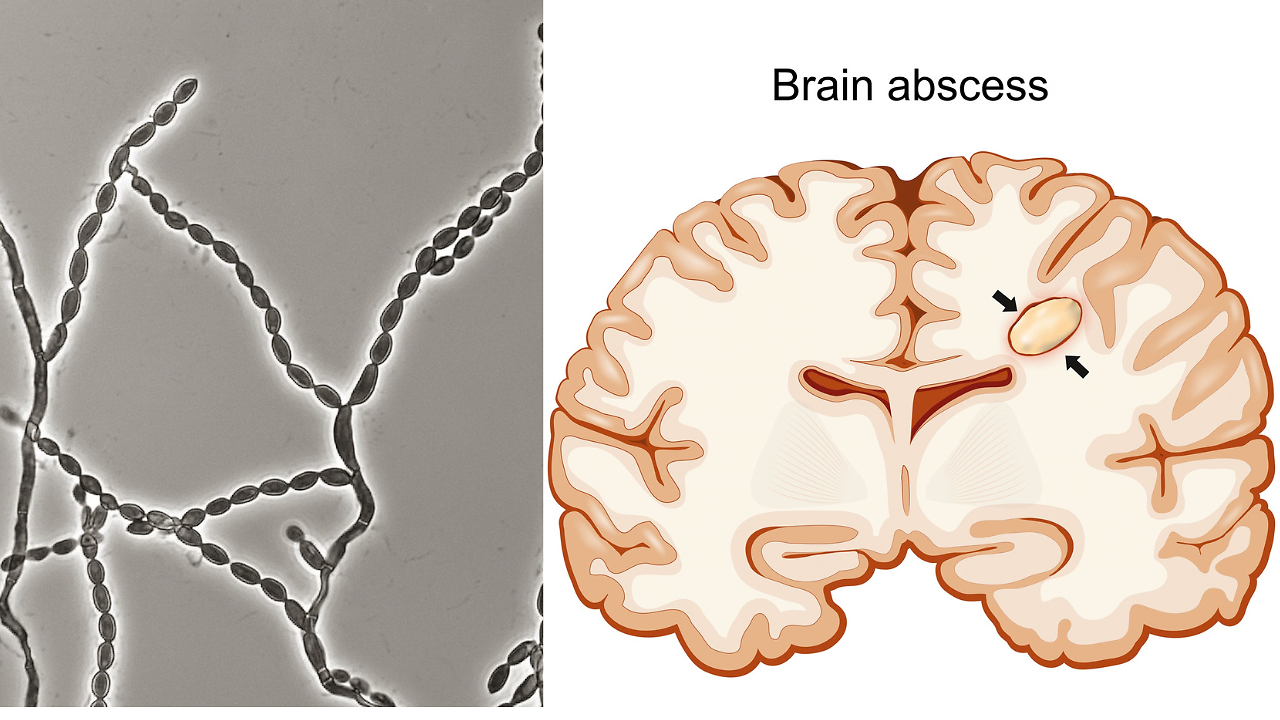
A deadly fungal infection that can cause brain abscesses has shown a sharp increase in detections in the US, according to a new report from the US Centers for Disease Control and Prevention (CDC).The CDC’s latest Morbidity and Mortality Weekly Report flagged a substantial rise in detections of Cladophialophora bantiana, a neurotropic fungus associated with a 60%–70% case-fatality rate, even with aggressive treatment. The fungus can also infect people without known immune problems. How Were the Cases Detected? A clinical reference laboratory at the University of Washington identified 48 confirmed cases and one probable case of C. bantiana infection from January 2009 through July 2026. Annual case counts ranged from one to five between 2009 and 2023 before rising to eight in 2024 and 14 in 2025. Among the 49 cases, 43 (88%) were detected in intracranial central nervous system (CNS) tissue specimens, while six (12%) were found in lung specimens. The presence of the fungus in lung specimens supports a presumed respiratory route of infection. The detection rate also increased sharply. Between 2017 and 2023, an average of 8.4 cases were detected per 1,000 CNS specimens submitted for fungal PCR testing at the University of Washington. By 2025, this had increased by 210% to 26 cases per 1,000 specimens. The cases were reported from 21 US states and the District of Columbia, with the highest numbers coming from California, Florida, Texas and Pennsylvania. Also read: Candida auris: US CDC Reports 3,437 Cases of Deadly Superbug In 27 States Why Is the Fungus Increasing? The CDC said the reason for the apparent increase is unknown. The agency called for further research into possible epidemiologic risk factors and whether changes in the fungus, including potentially increased virulence, could be contributing to the rise. The CDC also noted that there is no routine surveillance system for C. bantiana. Available information largely comes from case reports and retrospective studies, making it difficult to assess how widespread the infection is or whether its epidemiology is changing. The report recommended that clinicians consider C. bantiana in patients with brain abscesses. Prompt antifungal treatment is required, while surgical removal of the abscess may improve outcomes. What Is Cladophialophora bantiana? Read More: Russia Plague Scare: Could It Trigger A New Pandemic? Experts ExplainC. bantiana is a highly virulent, neurotropic dematiaceous mold that predominantly causes brain abscesses.It is a rare and life-threatening collection of pus enclosed in the brain tissue that creates dangerous pressure inside the skull. It can infect both immunocompromised people and those without known immune problems. About half of reported patients have no preceding immunocompromising condition. The presumed route of infection is inhalation or direct inoculation following a skin injury. The fungus can then enter the bloodstream and spread to the brain. Rare pulmonary and skin infections have also been reported, but most cases involve the brain, often without evidence of infection elsewhere in the body or a clear source of exposure. The fungus has only rarely been isolated from environmental sources, and researchers have not identified consistent exposure histories or risk factors among patients.What Are the Symptoms?Symptoms primarily reflect brain involvement, including fungal brain abscesses and increased pressure inside the skull.Common symptoms include:Headache, often progressive or persistentHemiparesis, or weakness on one side of the bodySeizuresConfusion, lethargy or altered consciousnessNausea and vomitingFeverSpeech problems, including difficulty speakingVisual disturbances and other neurological deficitsBecause C. bantiana commonly affects the brain, symptoms can vary depending on the location of the abscess and the extent of inflammation or pressure inside the skull. How Is the Infection Treated? Treatment requires prompt antifungal therapy, although there is no established optimal regimen for C. bantiana infection. The CDC noted that surgical excision or drainage of brain abscesses may improve outcomes. A 2024 study involving 23 patients in France found more favorable outcomes among patients who underwent surgical treatment. When possible, surgical removal of the abscess may therefore be considered alongside combination antifungal therapy. The most effective antifungal combination remains uncertain. Treatment approaches have included liposomal amphotericin B, posaconazole or voriconazole, and flucytosine.