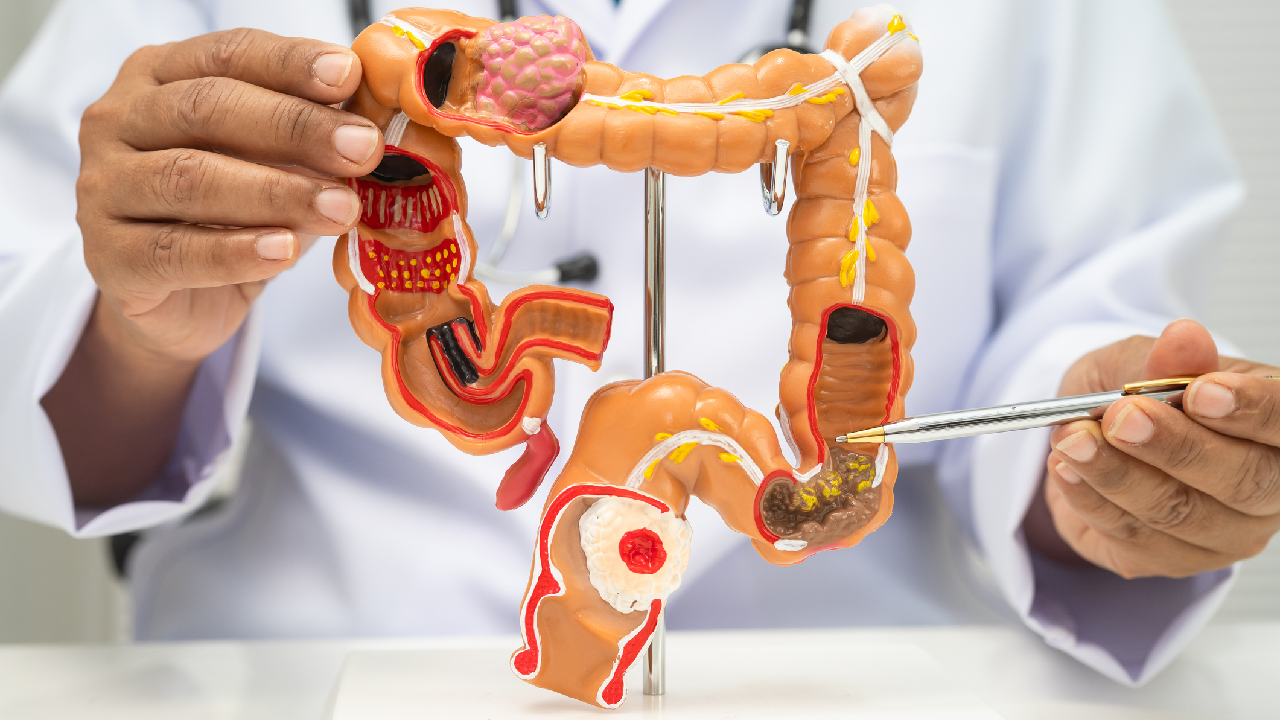
The American Cancer Society (ACS) has updated its colorectal cancer testing guidelines, which bring new screening options for colorectal cancer. This will give the Americans two new options of stool-based tests and blood-based screening tests.The ACS recommended colorectal cancer screening for citizens as the risk of the disease starts at the age of 45 and continues through age 75 for those with a life expectancy of 10 more years. Thus, to make colorectal cancer tests more accessible to the masses, the new guideline gives nod to blood-based screening tests and FDA-approved new stool sample kits.Blood-based screening tests must be done in a doctor's office, while one can use stool sample kits for testing at home. Notably, colonoscopy is still the most accurate option for detecting colorectal cancer.The new guidelines acknowledged the fact that people are likely to choose the most effective colorectal cancer screening test. But still about 20 million eligible Americans remained untested, according to the ACS.ACS mentions that 1 in 5 colorectal cancer cases is seen in young adults; the new guidelines were a direct result of this huge problem. Though the one who will choose colonoscopy would only have to go through screening every 10 years, on the other hand, the gap between screenings will be every one, three, or five years, depending on the specific method of testing selected. Early Symptoms Of Colorectal CancerSome of the most commonly missed early signs include:Persistent changes in bowel habits, especially if they last more than a few days, must be taken seriously. Narrow or ribbon-shaped stools may indicate a tumor partially blocking the colon.Blood in the stool is one of the most common and concerning signs. While it might be due to hemorrhoids or fissures, it’s important not to assume. A proper evaluation is critical.Unexplained weight loss: Especially when unintentional.Abdominal cramps or bloating: Misinterpreted as common digestive issues.Ignoring such a red flag delays diagnosis and drastically reduces treatment success rates. A timely visit to a healthcare provider can change outcomes.How To Prevent Colorectal Cancer?Diet: More fibre-rich fruits, vegetables, and whole grains; less processed food and red meat.Physical activity: “Even 30 minutes of daily walking helps.”Screenings: Especially vital for those over 45 or with a family history.