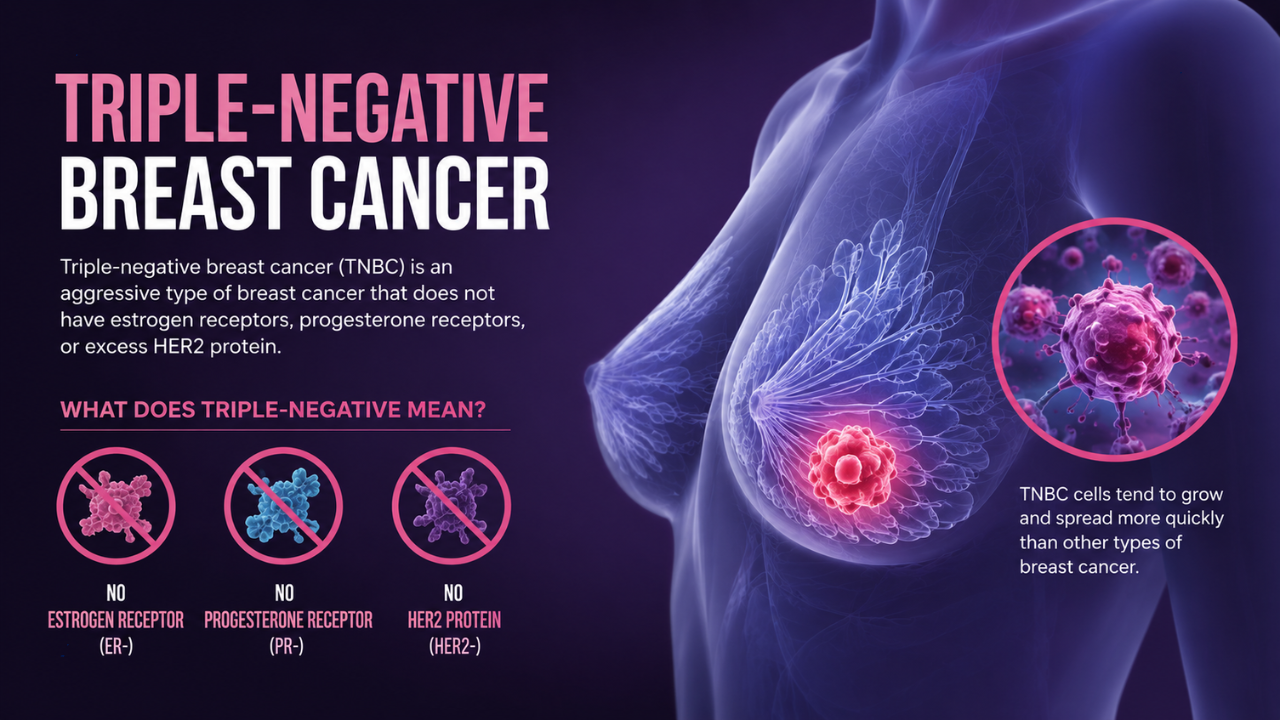
Chemotherapy is often considered the most challenging aspect of cancer treatment due to its wide range of side effects. However, new advances in targeted therapies may soon reduce the need for conventional chemotherapy for some breast cancer patients.Two drugs developed by pharmaceutical giants AstraZeneca and Gilead Sciences have shown encouraging results in treating triple-negative breast cancer (TNBC), one of the most aggressive and difficult-to-treat forms of the disease.Triple-negative breast cancer lacks three key receptors commonly targeted by standard breast cancer therapies, making many conventional treatments ineffective.In recent weeks, the US Food and Drug Administration (FDA) approved two targeted therapies—Datroway, developed by AstraZeneca in partnership with Daiichi Sankyo, and Trodelvy from Gilead Sciences—as first-line treatment options for certain patients with advanced triple-negative breast cancer. Why These Drugs Are Better Than Chemo?Also read: X-Men Star Tyler Mane Reveals ‘Super-Rare’ Male Breast Cancer DiagnosisBoth Datroway and Trodelvy belong to a class of medicines known as antibody-drug conjugates (ADCs). These therapies use antibodies to identify proteins present on most triple-negative breast cancer cells and deliver a potent dose of chemotherapy directly to the tumor.The approach is designed to minimize damage to healthy tissues compared with traditional chemotherapy, which affects rapidly dividing cells throughout the body. Clinical trials showed that both drugs reduced the risk of disease progression by about 40% compared with standard chemotherapy, Washington Post reported.“For seven out of 10 patients with metastatic triple-negative breast cancer who are not candidates for immunotherapy, chemotherapy has remained the only treatment option," said Arlene Brothers, Executive Director, Triple Negative Breast Cancer Foundation, in a statement. The new drugs for the first time, will pave the way "for these patients will have a new standard of care beyond traditional chemotherapy at the outset of their treatment.”Efficacy of Trodelvy And DatrowayGilead's approval is based on two clinical trials that evaluated how effectively Trodelvy delayed tumor growth. When used alone, Trodelvy reduced the risk of tumor progression or death by 38% compared with chemotherapy in patients who were not eligible for immunotherapy.Among patients eligible for immunotherapy—approximately 30% of all triple-negative breast cancer cases—a combination of Trodelvy and Merck's Keytruda reduced the risk of tumor progression or death by 35%. “For more than twenty years, patients with mTNBC have had limited choices in first-line treatment. Building on its impact in second-line mTNBC, Trodelvy now offers patients a powerful new backbone therapy option in the first-line setting,” said Dietmar Berger, Chief Medical Officer, Gilead Sciences, in a statement.Read More: Ozempic-Like Weight-Loss Drugs May Cut Breast Cancer Risk By A Third, Finds ResearchIn a separate clinical trial, AstraZeneca's Datroway reduced the risk of tumor progression or death by 43% compared with chemotherapy. The drug also extended median progression-free survival by five months.“Datopotamab deruxtecan (brand name Datroway) is the first and only medicine to significantly prolong overall survival in the 1st-line setting compared to chemotherapy in patients with metastatic triple-negative breast cancer who are not candidates for immunotherapy. This approval will bring a much-needed treatment option for these patients,” said Tiffany A. Traina, Triple-Negative Breast Cancer Clinical Research Program, Memorial Sloan Kettering Cancer Centre, part of the study.Burden Of Triple-negative Breast CancerRead To Know: More Indian Women Turning To Egg Freezing For Future Family Planning: Know The Risks And BenefitsTriple-negative breast cancer (TNBC) represents about 10–15% of global breast cancer cases but accounts for a disproportionately high share of mortality. In 2025, more than 48,000 Americans were diagnosed with triple-negative breast cancer.The disease is known for its aggressive nature. On average, triple-negative breast cancer recurs or spreads within about 2½ years, compared with around five years for other forms of breast cancer. Additionally, nearly half of patients never receive a second line of treatment.Both AstraZeneca and Gilead are now investigating their therapies in earlier stages of breast cancer.