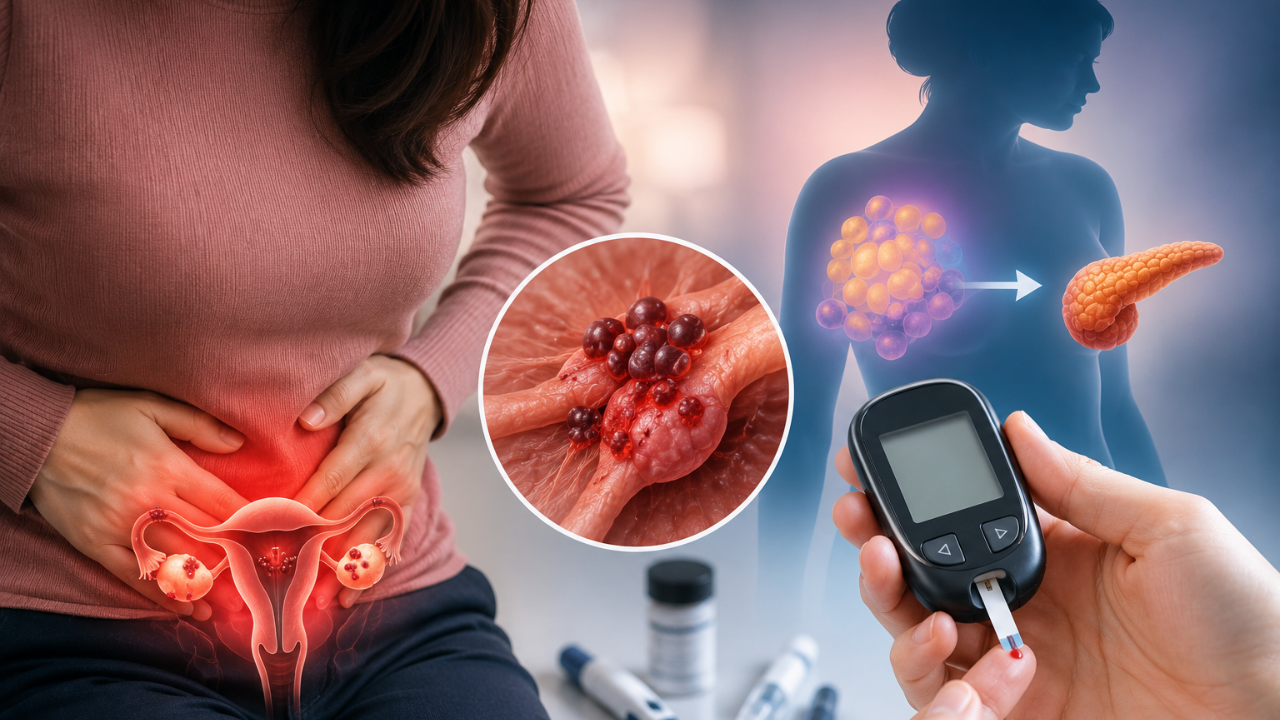
Endometriosis is usually characterised by painful periods, chronic pelvic pain and fertility issues. But a new study suggests the condition may also be linked to a significantly higher risk of developing type 2 diabetes. Researchers found that women with endometriosis had a 46% higher risk of type 2 diabetes compared with women without the condition. The findings come from one of the largest studies to examine the relationship between the two conditions, adding a new dimension to the adverse effects of endometriosis. What Did The Study Find? Also read: 'My Periods Are Painful' Is Not Always Normal: When Could It Be A Sign of Endometriosis?Researchers studied health records from nearly 3 million women in the Utah Population Database, covering the period from 1996 to 2021. Almost 100,000 women were diagnosed with endometriosis. After accounting for factors including age, race and body mass index, women with endometriosis were found to have a 46% greater risk of developing type 2 diabetes than women without the condition. The researchers also found that the association differed depending on the type of endometriosis. Additionally, the risk of type 2 diabetes was higher across several subtypes, including superficial peritoneal, ovarian and deep infiltrating endometriosis. The strongest association was seen in women with endometriosis outside the usual pelvic sites, where the risk was about twice as high. Adenomyosis was also associated with an increased risk. Why Could The Two Disorders Be Connected? Also read: Maternal Anemia: Why It’s A Major Pregnancy Risk For Indian Women And How to Prevent ItChronic inflammation could be the reason why the two disorders could be connected. Endometriosis is an inflammatory disease in which tissue resembling the lining of the uterus grows outside the uterus. Persistent inflammation can affect several systems in the body, while inflammation and poor insulin sensitivity could lead to type 2 diabetes. “Previous studies largely evaluated endometriosis as a single condition and generally reported little or no overall association with type 2 diabetes,” said Fuzak Nunziato, lead author of the study. “Our findings add to a growing understanding that endometriosis may affect more than reproductive health alone.” Despite the strong observation, it is to be noted that study found an association, meaning women with endometriosis were more likely to develop type 2 diabetes. It does not prove that endometriosis directly causes type 2 diabetes. The study was also retrospective, meaning researchers looked back at archival health records rather than assigning participants to groups and studying them prospectively. A large prospective research published in 2021 found no overall significant increase in type 2 diabetes among women with laparoscopically confirmed endometriosis, although it did find modestly higher risks among certain groups, including women who were not obese. The association was particularly notable among premenopausal women and women without obesity - groups that are not normally not considered to be at the highest risk for type 2 diabetes. If further research solidifies the the link, researchers say women with endometriosis could potentially benefit from greater awareness of metabolic health and earlier identification of diabetes risk.