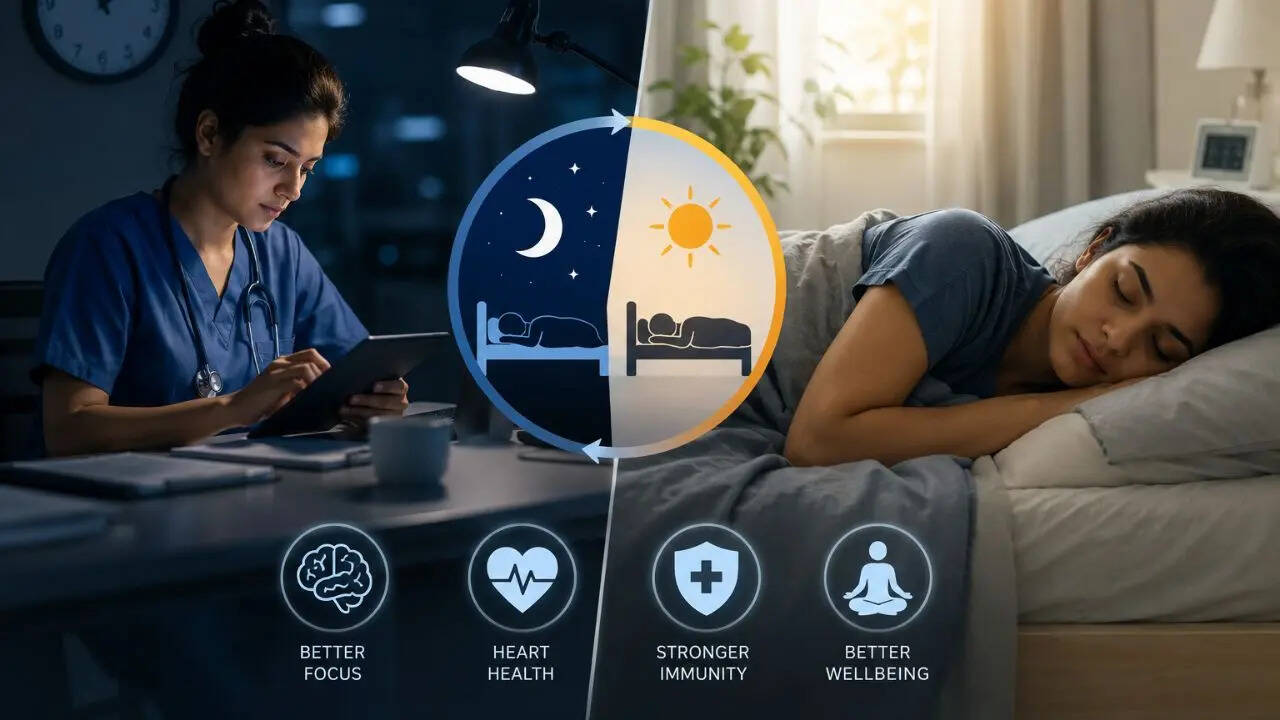
Night shift workers often face the risks of poor sleep or sleep deprivation. They have long been advised to aim for one uninterrupted block of daytime sleep after work. However, a new review suggests that splitting sleep into two separate periods, known as biphasic sleep, can help them avoid certain health risks. Can Biphasic Sleep Help Night Shift Workers? Night shifts have become an unavoidable part of our lives. Healthcare professionals, emergency responders, factory employees, and transportation workers often work overnight. Night shifts can disrupt the body's internal clock, increasing the risk of obesity, diabetes, cardiovascular disease, depression, and cognitive decline. Research also shows that night shift workers typically sleep one to four hours less than daytime workers, leading to chronic sleep debt over time. The recent review, published in the journal Sleep Medicine Reviews, examined existing research on biphasic sleep among shift workers. Researchers found that while evidence is still emerging, dividing sleep into two episodes can help workers get more sleep, improve alertness during night shifts, and potentially reduce a few long-term health risks associated with chronic sleep deprivation. The researchers noted that although sleep recommendations traditionally focus on obtaining one long sleep period, many shift workers naturally divide their sleep into two episodes. They usually sleep for a few hours immediately after work and then take another longer sleep before returning for the next night shift.Also read: Not Just Exhaustion, Sleep Disorders Can Alter Your Brain's Attention & Decision-Making Centres: Study "Biphasic sleep may help mitigate sleep loss-related impairments," the authors wrote, while observing that its potential benefits have not been fully understood until now. According to the review, this split-sleep pattern could help workers accumulate more total sleep over a 24-hour period while fitting better around their daytime commitments. Evidence also suggests biphasic sleep may improve alertness, reduce fatigue, and enhance cognitive performance compared to one uninterrupted daytime sleep, which is often shortened and disrupted by noise, light, or social obligations. The findings build on a growing body of research suggesting that sleep does not necessarily have to occur in one continuous block to provide health benefits. A 2025 review also stated that biphasic sleep may be a natural and flexible sleep pattern for some people and could be particularly useful for shift workers, new parents, and others facing unavoidable sleep disruption. Split Sleep Is Not A Permanent Fix Experts do caution that split sleep is not a permanent solution. The latest review emphasizes that evidence is still limited as there are just a few reliable studies that directly compare biphasic and monophasic sleep among night workers. Factors like shift schedules, chronotype, workplace demands, and individual health conditions can all influence whether the strategy is effective. Sleep specialists also stress that the total amount of sleep remains the most important factor. Adults should still aim for seven to nine hours of sleep within a 24-hour period whenever possible. Good sleep hygiene, including using blackout curtains, reducing noise, avoiding caffeine before bedtime, and maintaining a consistent sleep schedule, continues to play a key role in protecting long-term health.