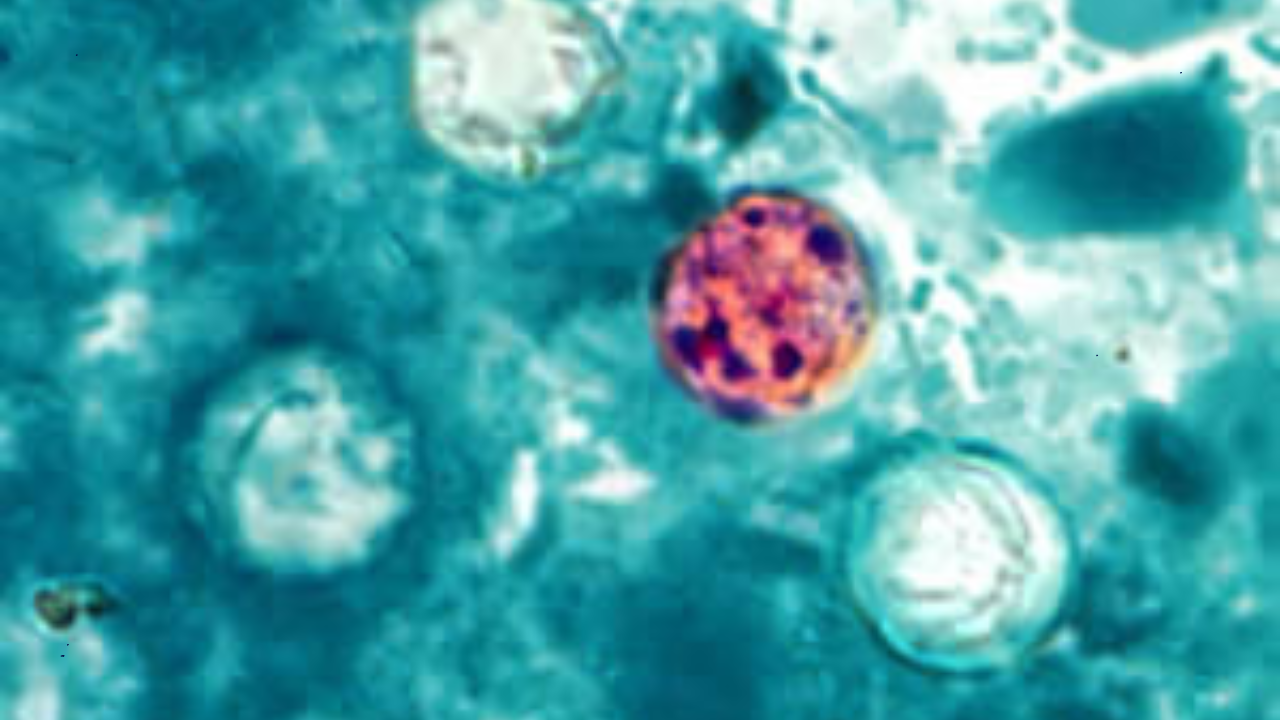
The US is witnessing one of the largest outbreaks of cyclosporiasis, an intestinal infection caused by the microscopic parasite Cyclospora cayetanensis. While infections have been reported in nearly 31 states, Michigan and Ohio remain the hardest hit.According to the latest figures from the Michigan Department of Health and Human Services (MDHHS), more than 3,309 cases have been reported in Michigan as of July 14.The US Centers for Disease Control and Prevention (CDC) has not yet identified the exact source of the outbreak, which has persisted for about a month.Lettuce, Salad Greens Under InvestigationAlso read: Cyclospora Parasite Outbreak: Why You Should Avoid Packaged Salads and Go For Loose GreensThe MDHHS says lettuce and salad greens are the leading suspected sources of the outbreak after cases climbed to more than 65 times Michigan's annual average."While the investigation is ongoing, current results point to lettuce or salad greens as a potential source for this outbreak, although other food items cannot be completely ruled out," the department said in a statement."Early information has shown lettuce as a common product that regularly comes up during the investigation," said Michigan Chief Medical Executive Natasha Bagdasarian.However, the authorities have not identified a specific grower or supplier responsible for the outbreak, and public health officials say there could be multiple sources.Taco Bell's Role Under ScrutinyUS health officials are now investigating whether Taco Bell restaurants played a role in the multistate outbreak linked to contaminated fresh produce, the Washington Post reported.Last week, notices at some Detroit-area Taco Bell restaurants informed customers that the chain was temporarily unable to sell lettuce, cilantro, onion, pico de gallo, and guacamole due to a nationwide recall.Taco Bell said it had voluntarily removed certain fresh ingredients from select restaurants as a precaution."Public health officials have not confirmed a link to Taco Bell or any specific ingredient, supplier, restaurant or retailer," the company said in a statement.It added that the temporary removal of limited ingredients would remain in place while authorities continue their investigation.Read More: Want Healthier Lungs? Add More Kale And Spinach To Your Plate, Suggests StudyCDC: More Than 5,100 Cases Under ReviewOn July 14, the CDC said it had received reports of 1,645 confirmed domestic cases since May 1. However, it is reviewing more than 5,100 cases to determine whether infections were acquired within the US.No deaths have been reported, while about 1 in every 11 patients has been hospitalized, it said.The CDC also said at least 400 cases across Michigan, Ohio, West Virginia and Kentucky appear to be epidemiologically linked, suggesting a common source of infection.Foods to Avoid Until the Source Is IdentifiedSince lettuce and salad greens remain the leading suspected source, health officials advise consumers to be cautious with:Bagged salad greensLettuceFresh cilantroPico de galloGuacamole made with fresh produceOther uncooked fresh produce that may be linked to the outbreakAuthorities have not confirmed that these foods are the source, but they remain under investigation. How to Reduce Your RiskBagdasarian recommended using whole heads of lettuce instead of bagged greens. Remove the outer leaves and thoroughly wash the inner leaves under running water before eating.She also noted that heat is the most effective way to kill Cyclospora, so cooking produce, when possible, offers additional protection.The CDC advised consumers to:Wash all fresh produce thoroughly under clean running water, even if it is labelled pre-washed.Follow safe food handling practices.Stay updated on food recalls and outbreak alerts.Contact a healthcare provider if symptoms develop.Symptoms of CyclosporiasisSymptoms usually begin about one week after infection, although they can appear anywhere from two days to more than two weeks after exposure.Without treatment, illness can last from a few days to a month or longer.The CDC also cautioned that the true number of infections is likely higher because many people recover without seeking medical care or being tested, and recent cases may not yet have been reported.